

Why Foundations Deserve the Same Passion as Finishes
Most homeowners treat a solid foundation like an invisible hero, only noticing it when the house starts to lean or the floor feels uneven, but that silence masks a complex dance between earth and structure that can dictate the lifespan of every finish you love. Ignoring the subtle cues—a door that sticks, a window that won’t close—means you’re betting on luck rather than engineering, and the cost of a late‑stage repair can quickly eclipse a yearly budget for aesthetic upgrades. In my own renovation journey, I learned that a proactive foundation check saves not just money, but the peace of mind that comes from knowing your home’s core is as reliable as the paint on its walls.
Soil Dynamics: The Hidden Engine Behind Foundation Stress
The ground beneath a house is never truly static; it expands, contracts, and shifts with moisture levels, temperature swings, and even the weight of nearby traffic, creating a living platform that can push walls outward or pull them inward with relentless force. Expansive clays, for instance, swell dramatically after a rainstorm, exerting upward pressure that can crack concrete footings, while drought conditions cause the same soil to shrink, leaving gaps that allow settlement. Understanding these soil‑structure interactions empowers you to anticipate trouble before it manifests as visible damage, turning a reactive mindset into a preventive one.
Reading the House: Early Warning Signs That Prompt Immediate Action
Cracks in a basement wall that start thin and hairline often widen over months, turning into gateways for moisture that can corrode steel reinforcements and accelerate deterioration. Similarly, misaligned door frames, uneven floorboards, and windows that jam are not mere inconveniences; they are the body’s way of signaling that the underlying support is shifting beneath them. Conducting a quarterly visual audit—checking for new fissures, testing door swing, and listening for creaks—creates a simple, cost‑effective habit that catches problems while they are still easy to remediate.
Traditional Remedies: Underpinning, Piering, and Their Real‑World Trade‑offs
When a foundation shows distress, the most common professional interventions are underpinning, which adds concrete footings beneath the existing slab, and piering, which drives steel or concrete columns down to stable strata to lift and hold the structure. Underpinning is often chosen for shallow settlements and can be less invasive, but it requires extensive excavation that may disrupt landscaping and utilities. Piering, on the other hand, offers rapid correction for deeper issues and can be adjusted over time, yet it demands precise engineering to avoid over‑lifting and creating new stresses in the building envelope.
Smart Sensors and Real‑Time Data: The Next Evolution in Foundation Care
Imagine a network of tiny, weather‑proof sensors embedded in your footings, constantly measuring moisture content, pressure, and movement, then sending alerts to your smartphone the moment a threshold is crossed. This Internet‑of‑Things approach transforms a once‑static structure into a living system you can monitor from anywhere, dramatically reducing the lag between symptom and solution. For those curious about how concrete can become a platform for innovation, the article Concrete as a Creative Canvas explores related breakthroughs that make this integration both feasible and aesthetically pleasing.
Eco‑Friendly Materials: Reinforcing Foundations Without Compromising the Planet
Modern engineers are increasingly turning to recycled aggregates, fly‑ash cement, and low‑carbon concrete mixes to strengthen footings while shrinking the carbon footprint of each cubic yard poured. These materials often perform better under cyclic moisture conditions, offering greater resistance to cracking caused by expansive soils. Pairing such green alternatives with moisture‑control landscaping—like permeable pavers and native plant buffers—creates a holistic strategy that protects the foundation and the environment simultaneously.
DIY Versus Professional Intervention: Knowing When to Roll Up Your Sleeves
While minor crack sealing and surface cleaning can be safely tackled by a confident homeowner, true foundation repair demands precise calculations, soil analysis, and often a licensed contractor equipped with heavy‑duty equipment. A misstep—such as over‑filling a trench or using the wrong type of steel pier—can exacerbate settlement and lead to costly rework, not to mention potential safety hazards. My own attempt to shim a sagging slab taught me that the line between a satisfying DIY win and a dangerous shortcut is thin, and calling in experts early can save you from a future nightmare.
Financing Foundations: Budgeting, Loans, and Insurance Insights
Foundation repair budgets can range widely, from a few thousand dollars for localized crack repair to six figures for full‑scale underpinning, so establishing a realistic financial plan is essential before any work begins. Many homeowners qualify for low‑interest home equity loans or specialized foundation repair financing programs that spread costs over several years, while some insurance policies may cover damage caused by sudden soil movement or water infiltration. Conducting a detailed cost‑benefit analysis—factoring in property value appreciation and reduced future maintenance—helps you justify the expense as a strategic investment.
Integrating Repair with Whole‑House Performance: A Holistic Design Approach
Foundation work is the perfect moment to address ancillary issues such as radon mitigation, crawl‑space ventilation, and even energy‑efficiency upgrades, turning a repair into a comprehensive home performance overhaul. By coordinating with a Design‑Build Mastery mindset, you can align structural reinforcement with insulation upgrades, smart moisture barriers, and renewable energy systems, creating a synergy that boosts comfort, reduces utility bills, and future‑proofs the residence against climate variability.
The Road Ahead: Building Resilience in a Changing Climate
As weather patterns become more erratic and extreme, foundations will face heightened stress from prolonged flooding, rapid drying, and temperature‑driven soil movement, making proactive reinforcement not just a repair but a necessity. Emerging building codes are beginning to require deeper footings, better drainage designs, and resilient material specifications to address these challenges head‑on. Embracing a mindset of continuous monitoring, sustainable material selection, and integrated design ensures that your home’s core remains strong, adaptable, and ready for whatever the future holds.

Lifan Chen is a freelancer based in Toronto specializing in marketing. With expertise in crafting effective marketing strategies and campaigns, Lifan helps businesses grow their brand presence and reach target audiences. As a Toronto-based freelancer, Lifan combines local market insights with creative marketing skills to deliver tailored solutions for clients.
Related Posts

From Cracks to Confidence: A New Playbook for Foundation Repair
A fresh perspective on foundation repair shows how sensor data, climate‑aware design, and innovati... Read More
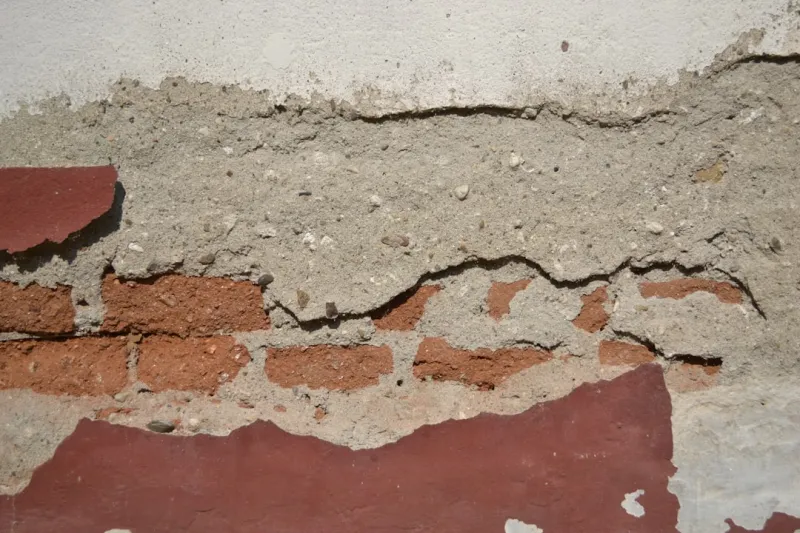
The Ultimate Guide to Foundation Repair: A Comprehensive Overview
Foundation repair is crucial for maintaining the stability and longevity of your home. Learn about c... Read More
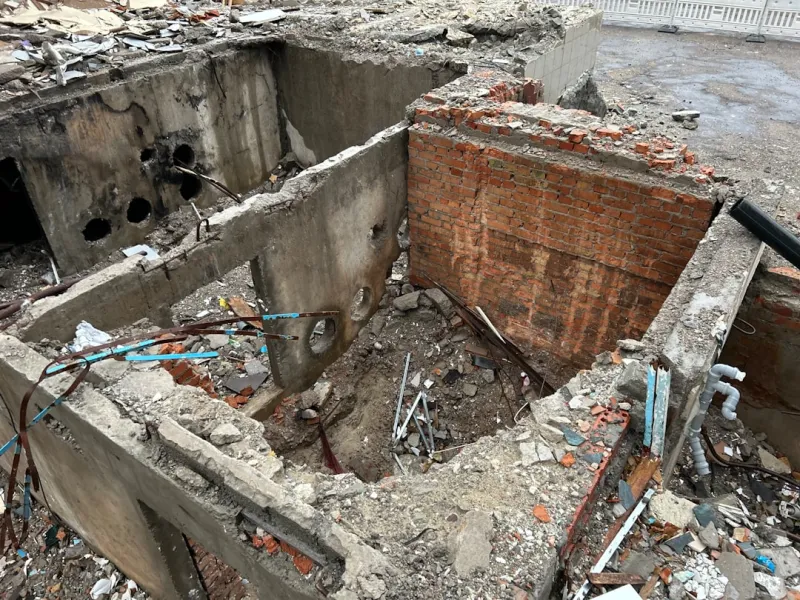
The Interconnection Between Foundation Repair and Sustainable Home Design
Explore the intricate relationship between foundation repair and sustainable home design. Learn how ... Read More
Top Posts

Crafting Sustainable Pathways: A Personal Journey into Modern Paving
Explore a fresh take on paving with sustainable materials, artistic patterns, and practical tips that turn any walkway into a lasting, eco‑friendly masterpiec...Read More

From Sketch to Structure: How AI‑Driven Workflows Are Redefining Design‑Build
AI is turning the traditional design‑build process into a collaborative, data‑rich ecosystem. Learn how generative design, digital twins, and modular constr...Read More
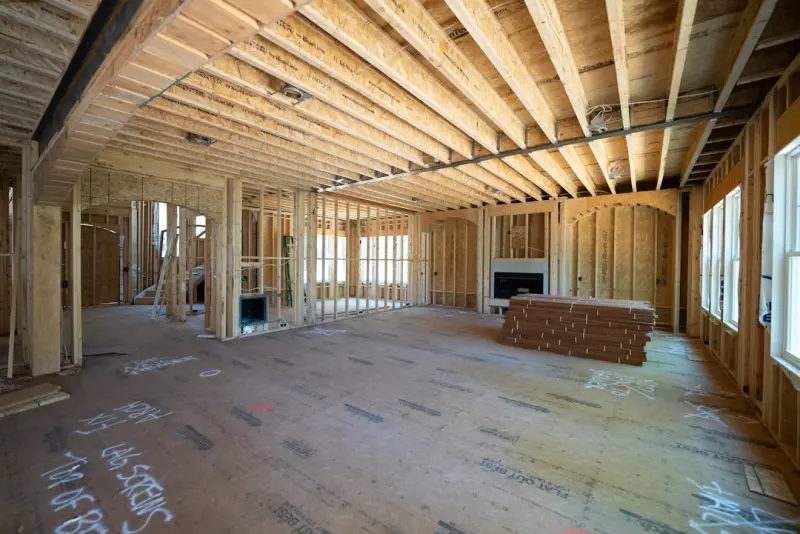
Creating a Multi‑Generational Home Addition That Works for Everyone
A multi‑generational home addition blends accessibility, flexibility, and smart design to keep families close while respecting privacy and modern work needs. ...Read More

Hybrid Deck Design: Turning Outdoor Platforms into Productive Work‑Life Hubs
Discover how to convert a simple deck into a versatile hybrid workspace that boosts productivity, supports wellness, and differentiates your brand, using sustai...Read More
0 Comments
Post Comment
You will need to Login or Register to comment on this post!