
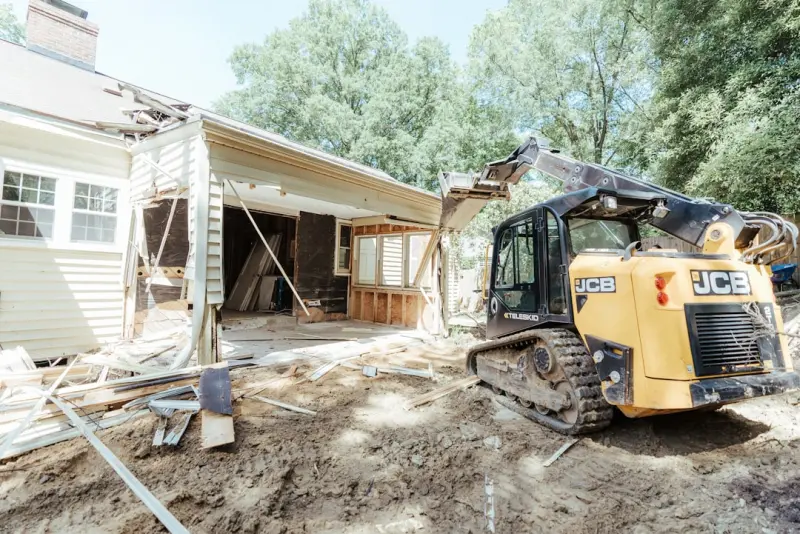
Why Foundations Matter Beyond Structural Integrity
When most people think about a building’s foundation, they picture a concrete slab or a series of footings holding up walls. In the commercial world, however, the foundation is the silent partner that influences everything from operational uptime to insurance premiums. A solid foundation doesn’t just keep a roof from collapsing—it stabilizes the entire value proposition of a property.
The Business Risks of a Neglected Foundation
Facility managers often treat foundation repair as a “maintenance‑only” task, but the financial repercussions extend far beyond the repair bill. Consider these hidden costs:
- Production Downtime: Even a minor settlement can misalign heavy equipment, causing vibrations that lead to premature wear or outright shutdown.
- Asset Depreciation: Real‑estate appraisers factor foundation health into market value. A known defect can shave millions off a portfolio.
- Insurance Premiums: Insurers view recurring foundation issues as a red flag, often raising rates or limiting coverage.
- Regulatory Exposure: Local building codes increasingly require proof of structural soundness for occupancy permits, especially for high‑rise or mixed‑use projects.
- Tenant Retention: Leases that include “as‑is” clauses rarely survive when occupants experience persistent cracks, dampness, or uneven floors.
When the foundation is overlooked, these costs compound, turning a simple repair into a multi‑year financial drain.
From Liability to Opportunity: Reframing Repair as Value Creation
Instead of seeing foundation repair as a dreaded expense, forward‑thinking operators can treat it as a strategic investment. Here’s how the mindset shift works:
- Data‑Driven Prioritization: Conduct a comprehensive condition audit and assign a risk score to each structural element. This quantifies the potential loss if a failure occurs.
- Asset Enhancement: Modern repair techniques—such as polymer‑injected grouting or micro‑piling—can increase load‑bearing capacity, allowing you to repurpose space for higher‑margin activities.
- Green Differentiation: Sustainable repair materials lower the carbon footprint, aligning the property with ESG (Environmental, Social, Governance) goals and attracting green‑focused investors.
- Cross‑Functional Synergy: Pair foundation work with other resilience upgrades, like waterproofing and plumbing audits, to maximize ROI. For example, the Waterproofing as a Service model can be bundled with foundation sealing, reducing both costs and disruption.
Sustainable Materials and Methods That Pay Off
Today’s repair market offers more environmentally responsible options than the old “dump‑and‑replace” approach. Below are the most promising solutions:
- Geopolymer Concrete: Made from industrial by‑products, it emits up to 80% less CO₂ than Portland cement while delivering comparable compressive strength.
- Fiber‑Reinforced Polymer (FRP) Wraps: Lightweight, corrosion‑resistant, and capable of extending the service life of existing columns without massive demolition.
- Self‑Healing Concrete: Embedded micro‑capsules release sealing agents when cracks form, reducing the need for frequent inspections.
- Low‑Impact Grouting Agents: Water‑based, low‑viscosity mixtures flow into voids without the high‑temperature curing that can damage adjacent finishes.
Choosing these materials not only meets sustainability targets but also often qualifies for tax credits or green‑loan incentives.
Financing the Fix: Innovative Funding Models
One of the biggest barriers to proactive foundation work is capital. Traditional capex budgets can be restrictive, but several financing mechanisms are gaining traction:
- Energy‑Performance Contracts (EPCs): While typically associated with HVAC upgrades, EPCs can be structured to include structural improvements that lower overall building energy usage (e.g., reducing heat loss through cracked slabs).
- Green Bonds: Issuing a bond earmarked for sustainable repairs attracts investors seeking ESG‑aligned assets.
- Subscription‑Based Maintenance: A model similar to Waterproofing as a Service can be adapted for foundation health, where a provider funds the repair and the property owner pays a predictable monthly fee.
- Insurance‑Backed Loans: Some carriers offer reduced‑interest loans to policyholders who proactively address structural vulnerabilities.
These options turn a large, lump‑sum expense into manageable cash flow, allowing you to schedule repairs alongside other capital projects.
Integrating Foundation Repair with Broader Resilience Strategies
Foundation health is a cornerstone of any resilience plan, but it should not exist in a silo. When coordinated with other systems, the payoff multiplies:
- Moisture Management: Pair foundation sealing with a comprehensive waterproofing strategy. The synergy reduces basement flooding risk and lowers mold‑related liabilities.
- Plumbing Audits: Leaking pipes often accelerate foundation deterioration. A Proactive Plumbing Audit can identify hidden leaks before they undermine the slab.
- Energy Monitoring: While Predictive Foundation Repair leverages AI to forecast failures, integrating real‑time energy data can highlight abnormal heat signatures that betray structural gaps.
- Tenant Communication Platforms: Transparent reporting on repair timelines builds trust and can be incorporated into existing facilities‑management dashboards.
Case Study: Turning a Cracked Slab into a Competitive Edge
A regional distribution center in the Midwest faced a recurring settlement issue that threatened a planned expansion. Instead of postponing the project, the owner engaged a specialist who:
- Performed a laser‑scanning survey to map settlement vectors.
- Implemented micro‑piling beneath the most stressed footings, increasing load capacity by 35%.
- Applied a geopolymer grout to fill voids, achieving a 70% reduction in carbon emissions compared to traditional cement.
- Bundled the work with a waterproofing subscription, spreading costs over five years.
Result? The expansion proceeded on schedule, the building qualified for a green‑loan, and the tenant‑occupancy rate rose 12% within six months—directly tied to the improved structural confidence.
Practical Steps for Facility Managers
Ready to bring this strategic approach to life? Follow this checklist:
- Baseline Assessment: Hire a licensed structural engineer to conduct a full‑scale foundation audit, including soil testing.
- Risk Scoring: Assign numeric values to each identified issue (e.g., crack width, settlement depth) and prioritize based on potential operational impact.
- Material Selection: Choose sustainable repair solutions that align with ESG goals and local building codes.
- Financial Modeling: Compare traditional capex versus subscription or green‑bond financing, factoring tax incentives.
- Integration Planning: Map repair timelines against other ongoing projects—waterproofing, plumbing, energy retrofits—to minimize disruption.
- Stakeholder Communication: Develop a transparent reporting template for tenants, insurers, and investors.
- Post‑Repair Monitoring: Install settlement sensors and integrate data into the existing facilities‑management platform for continuous oversight.
Looking Ahead: Foundations in a Decarbonized Economy
The construction sector is under pressure to halve its carbon output by mid‑century. Foundations, traditionally a carbon‑intensive component, are poised for transformation. Emerging trends include:
- Carbon‑Negative Concrete: Mix designs that incorporate biochar or captured CO₂, effectively removing carbon from the atmosphere.
- Modular Sub‑Structure Systems: Prefabricated, recyclable footings that can be re‑used across multiple projects.
- AI‑Enhanced Monitoring (Beyond Predictive Repair): Real‑time sensor networks feeding into building‑performance dashboards, offering a living view of structural health.
By aligning foundation repair with these forward‑looking technologies and financing models, property owners not only safeguard their assets but also position themselves as leaders in a sustainable built environment.

Tom Ferguson is a Canadian freelance writer with a passion for storytelling, current events, and thoughtful commentary. Drawing on years of writing experience, he shares engaging insights on a wide range of topics, bringing a uniquely Canadian perspective to his work.
Related Posts

The Data‑Driven Playbook Every Facility Leader Needs for Foundation Repair
A data‑first approach to foundation repair turns hidden risks into measurable savings. Discover a ... Read More
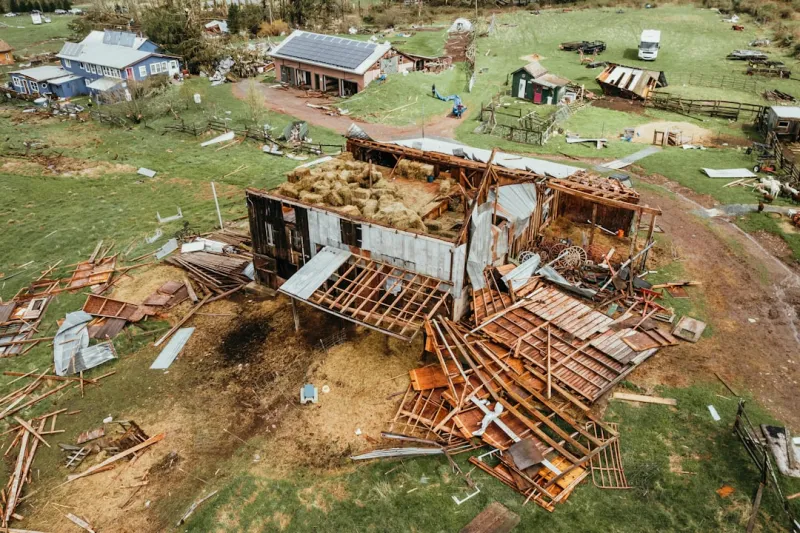
The Importance of Foundation Repair in Sustainable Home Restoration
Foundation repair is crucial for sustainable home restoration. Learn how addressing foundation issue... Read More
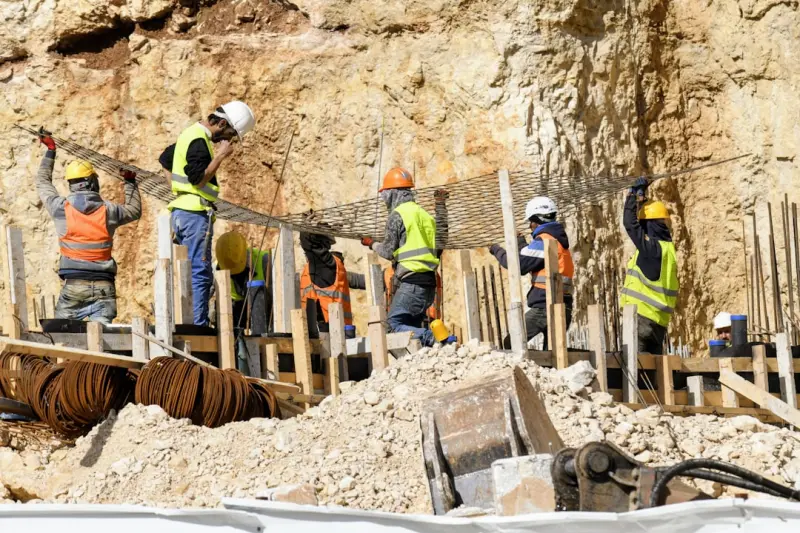
Foundation Care-as-a-Service: Predictable Structural Health
A new subscription model turns foundation repair from emergency fixes into predictable, data‑drive... Read More
Top Posts
Breathing New Life into Vintage Windows: A Restoration Blueprint
Restoring vintage windows blends heritage preservation with modern performance. This guide walks you through assessment, material selection, step‑by‑step re...Read More

The Importance of Sustainable Lawn Care Practices
Sustainable lawn care practices are essential for promoting a healthy and resilient lawn while protecting the environment. Learn how to adopt sustainable lawn c...Read More

The Secret Power of Smart Paint: Turning Your Walls into Active Assets
Smart paint blends nanotech, sensors, and adaptive pigments to turn ordinary walls into health‑monitoring, energy‑saving surfaces, offering homeowners a pro...Read More

Why Energy Inspections Are Crucial For A Sustainable Future
Energy inspections play a vital role in reducing our carbon footprint and promoting sustainability. Learn why energy inspections are essential for homeowners, b...Read More
0 Comments
Post Comment
You will need to Login or Register to comment on this post!