
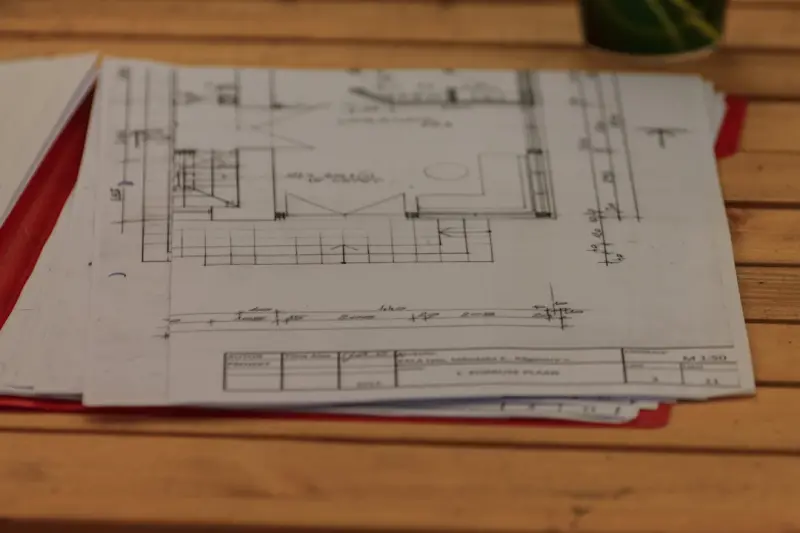
Why Design‑Build Needs a New Playbook
In the fast‑moving world of residential renovations, the traditional hand‑off between architect and contractor often creates costly delays, misaligned expectations, and a fragmented aesthetic. Design‑build synergy can eliminate those friction points, but only if the process is guided by a clear, repeatable playbook that embraces both creative freedom and disciplined execution. From my experience navigating dozens of projects, I’ve learned that the most successful outcomes arise when every stakeholder adopts a single source of truth—a living document that captures intent, budget, schedule, and material hierarchy from day one, allowing the team to pivot gracefully when surprises emerge. This approach transforms a chaotic construction site into a collaborative studio where design decisions are instantly tested against practical constraints, ensuring the final build feels intentional rather than improvised.
The Power of Early‑Stage Integrated Planning
When the design‑build model is launched with a robust integrated planning session, the downstream ripple effects are profound: structural engineers can suggest load‑bearing tweaks before walls are framed, HVAC specialists can map ductwork around future lighting fixtures, and the interior designer can pre‑visualize finishes without waiting for a completed drywall shell. By embedding these cross‑disciplinary conversations into a single workshop, we cut re‑work by up to 30 % and keep the project timeline lean. For example, during a recent remodel I referenced Concrete as a Creative Canvas to illustrate how a poured‑in‑place floor could double as a radiant heating surface, instantly aligning the contractor’s structural plan with the client’s comfort goals. This level of coordination not only saves money but also fosters a sense of ownership among all parties, turning the build into a shared creative endeavor rather than a series of isolated tasks.
Prefabricated Modules: The Missing Link Between Vision and Reality
Prefabricated modules have long been associated with large‑scale commercial projects, yet their potential in custom residential design‑build is still under‑leveraged. By engineering wall panels, bathroom pods, and even kitchen islands off‑site, we gain unparalleled precision, reduce on‑site waste, and accelerate the critical path by weeks. In my latest venture, I partnered with a local factory to produce a fully finished master‑suite module that arrived on the foundation ready for hook‑up; this allowed the interior designer to install bespoke lighting and custom cabinetry while the structural crew was still framing the adjoining living area. The result was a seamless hand‑off where the client could walk through a completely finished space before the rest of the house was even roofed, dramatically enhancing confidence in the project’s trajectory. This modular mindset also opens the door to future adaptability, as the same pods can be re‑configured or expanded with minimal disruption, embodying a truly resilient design‑build strategy.
Virtual Reality as a Decision‑Making Engine
Imagine walking through a yet‑to‑be‑built home, testing wall colors, ceiling heights, and furniture layouts with a headset before any concrete is poured. Virtual reality (VR) has moved from novelty to a decision‑making engine that bridges the imagination gap between client and builder. During a recent design‑build kickoff, I deployed a VR walkthrough that let the homeowner experience a loft‑style living area with reclaimed wood beams and a floating stair, prompting an immediate request to adjust the stair’s rise for better accessibility. That on‑the‑spot feedback eliminated weeks of redrawing plans and avoided a costly post‑construction modification. Moreover, VR data can be logged and fed back into the project’s BIM model, ensuring that every visual tweak is captured as a formal change order, preserving accountability while keeping the client engaged throughout the process.
Sustainable Sourcing Without Sacrificing Aesthetics
Sustainability in design‑build often conjures images of raw, unfinished concrete or exposed insulation, but the modern homeowner craves both eco‑friendly credentials and polished aesthetics. By establishing a material passport early in the project, we can source reclaimed timber, low‑VOC finishes, and locally milled stone that meet both green standards and design aspirations. I once referenced Tile Trends to illustrate how porcelain tiles with recycled content could mimic the look of natural marble while reducing embodied carbon, a win‑win that satisfied the client’s visual and environmental goals. Pairing these choices with a transparent supply‑chain audit also empowers the homeowner to tell a compelling story about their home’s origins, turning sustainability from a checkbox into a marketable feature that enhances resale value.
Budget Guardrails: Aligning Cost with Creative Ambition
A common pitfall in design‑build projects is the drift between the original budget and the evolving design vision, often leading to unpleasant surprises during the punch‑list phase. To counter this, I implement a rolling cost‑impact matrix that updates in real time as design decisions are made, linking each aesthetic choice directly to its financial implication. When a client opts for a custom glass railing instead of a standard steel balustrade, the matrix instantly shows the additional cost, potential schedule impact, and any applicable trade‑off options such as a less expensive countertop material. This transparent approach builds trust, because the client sees the trade‑offs laid out clearly rather than receiving a vague “budget overrun” notice months later. By anchoring creativity to disciplined cost management, the design‑build process remains both aspirational and fiscally responsible.
Data‑Driven Client Communication: Turning Metrics into Narrative
Effective communication in design‑build is more than weekly emails; it’s about translating complex construction metrics into a narrative that resonates with the homeowner’s priorities. I use a custom dashboard that aggregates schedule variance, on‑site safety incidents, and material lead times, then layers these data points onto a simple visual timeline that the client can access on their tablet. When a delay in steel delivery threatens the framing sequence, the dashboard flags the issue, and I can proactively suggest a temporary interior partition to keep interior finishes on track, turning a potential setback into an opportunity for parallel work. This data‑centric dialogue not only keeps the client informed but also positions the design‑build team as proactive problem‑solvers, reinforcing confidence and reducing the likelihood of disputes.
The Road Ahead: Adaptive Design‑Build for a Changing World
Looking forward, the design‑build model must evolve to accommodate shifting lifestyle patterns, climate resilience, and emerging technologies. Adaptive design‑build embraces flexible floor plans that can be re‑programmed as families grow, integrates smart‑grid ready electrical systems for future renewable energy adoption, and leverages AI‑driven design assistants to generate multiple layout options within seconds. By embedding adaptability at the core of the project charter, we future‑proof homes against the unknown, ensuring that today’s investment remains relevant for decades. As the industry embraces these forward‑thinking practices, the design‑build approach will transition from a transactional delivery method to a strategic partnership that co‑creates resilient, beautiful living environments for the next generation.

Lifan Chen is a freelancer based in Toronto specializing in marketing. With expertise in crafting effective marketing strategies and campaigns, Lifan helps businesses grow their brand presence and reach target audiences. As a Toronto-based freelancer, Lifan combines local market insights with creative marketing skills to deliver tailored solutions for clients.
Related Posts
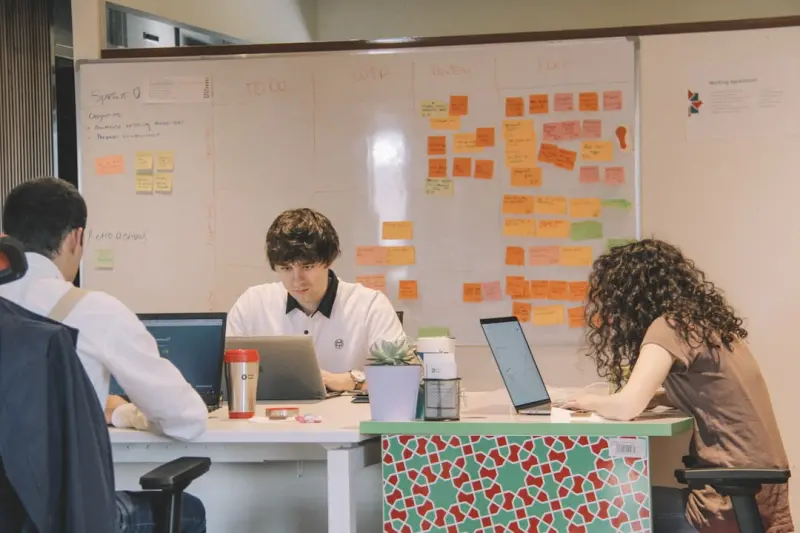
Design‑Build Micro‑Workspaces for Agile Offices
This article outlines a fresh design‑build strategy that uses modular pods, embedded IoT, and agil... Read More

Biophilic Design‑Build: Crafting Spaces That Breathe and Thrive
A deep dive into biophilic design‑build, showing how nature, smart sensors, and integrated teamwor... Read More
Design‑Build Fusion: Harnessing Real‑Time 3D Digital Twins to Accelerate Projects
Real‑time 3D digital twins are revolutionizing design‑build by providing instant feedback, risk ... Read More
Top Posts

Shade and Strategy: Unleashing the Hidden Power of Modern Awnings
Explore the unexpected advantages of modern awnings, from psychological comfort and energy savings to brand amplification and durable design....Read More

Turning Red Tape into Green Light: The New Era of Construction Permits
Construction permits are no longer a bureaucratic hurdle but a strategic advantage. This post explores how digital platforms, AI, and BIM integration streamline...Read More
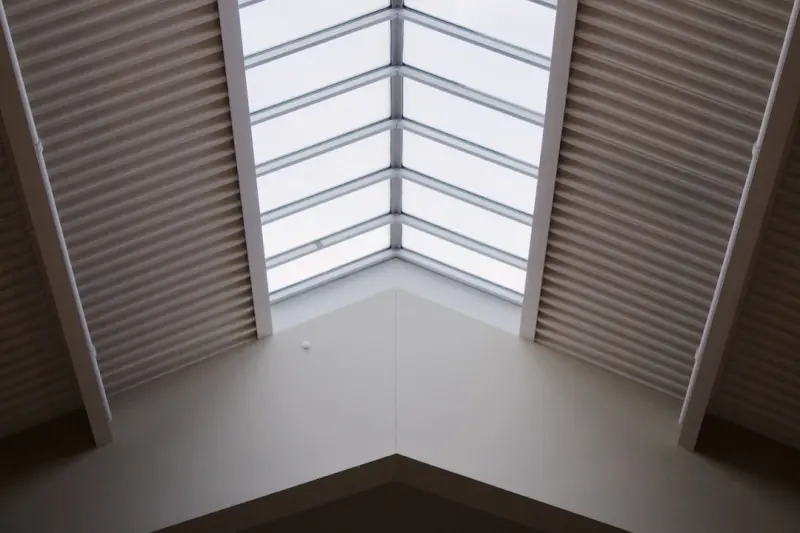
Designing Window Treatments That Shape Light, Mood, and Comfort
Explore the art of layering, fabric selection, color psychology, and hardware choices to create window treatments that control light, boost acoustics, and perso...Read More
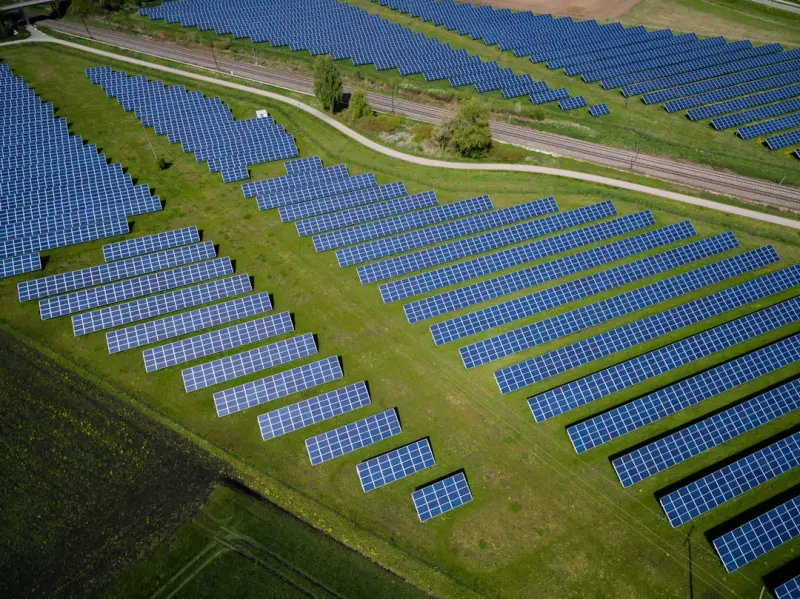
Solar Microgrids: Powering Modern Industrial Campuses
Solar microgrids transform industrial campuses by combining on‑site solar generation, battery storage, and AI‑enhanced controls into a resilient, cost‑eff...Read More
0 Comments
Post Comment
You will need to Login or Register to comment on this post!