
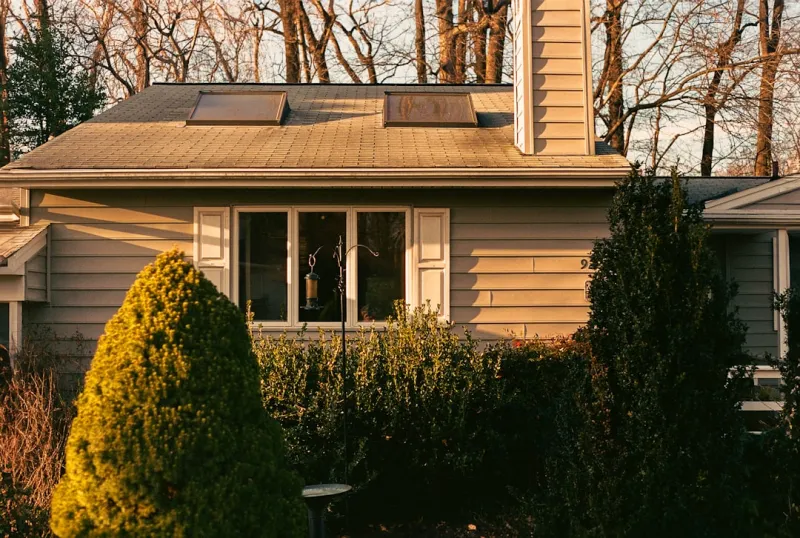
Embracing Sustainable Home Additions: A Guide to Eco-Friendly Expansion
As a homeowner, there's nothing quite like the excitement of embarking on a home addition project. Whether you're looking to create more space for your growing family, add a new bedroom or bathroom, or simply enhance the functionality of your home, a well-planned addition can work wonders. However, with the increasing focus on sustainability, it's essential to consider the environmental impact of your project. At Craig Brett, I'm passionate about sustainable home design, and I'm here to share my expertise on how to create an eco-friendly home addition that not only benefits the environment but also enhances your quality of life.
When it comes to sustainable home additions, energy efficiency is a top priority. This means incorporating features that reduce energy consumption, such as high-performance insulation, energy-efficient windows, and renewable energy systems like solar panels. A well-insulated home addition can significantly reduce heat loss in the winter and heat gain in the summer, resulting in lower energy bills and a reduced carbon footprint. For more information on sustainable home design, I recommend checking out my previous post on The Importance of Insulation in Sustainable Home Design.
Waterproofing and Sustainable Home Design
Another critical aspect of sustainable home additions is waterproofing. A waterproofing system helps prevent water damage, which can lead to costly repairs, mold growth, and compromised indoor air quality. By incorporating a robust waterproofing system into your home addition, you can protect your investment and ensure a healthy, sustainable living environment. For more insights on waterproofing and sustainable design, I recommend reading my article on The Importance of Waterproofing in Sustainable Home Design.
Choosing Sustainable Materials
When it comes to building a sustainable home addition, the materials you choose play a significant role. Opt for sustainable materials that are locally sourced, recyclable, or made from renewable resources. Some excellent options include reclaimed wood, bamboo, and low-VOC (volatile organic compound) paints. Not only do these materials reduce waste and minimize environmental impact, but they also contribute to a healthier indoor air quality. By choosing sustainable materials, you can create a home addition that not only benefits the environment but also enhances your well-being.
The Role of Trees in Sustainable Home Design
Trees play a vital role in sustainable home design, providing shade, improving air quality, and reducing energy consumption. When planning your home addition, consider incorporating trees and green spaces into your design. This can be achieved by preserving existing trees, planting new ones, or incorporating green roofs and walls. Not only do trees enhance the aesthetic appeal of your home, but they also contribute to a healthier, more sustainable living environment. For more information on the role of trees in sustainable home design, I recommend checking out my previous post on The Role of Trees in Sustainable Home Design.
Navigating Construction Permits
Before embarking on your home addition project, it's essential to navigate the complex world of construction permits. This involves understanding local building codes, zoning regulations, and permit requirements. By ensuring that your project complies with all relevant regulations, you can avoid costly delays, fines, and even project shutdowns. For a comprehensive guide on navigating construction permits, I recommend reading my article on Navigating the Complex World of Construction Permits: A Guide for Homeowners.
Conclusion
Creating a sustainable home addition requires careful planning, attention to detail, and a commitment to eco-friendly design. By incorporating energy-efficient features, waterproofing systems, sustainable materials, and green spaces, you can create a home addition that not only benefits the environment but also enhances your quality of life. Remember to navigate the complex world of construction permits and ensure that your project complies with all relevant regulations. With these tips and insights, you can embark on a home addition project that is both sustainable and successful.
Final Tips and Recommendations
As a homeowner, it's essential to prioritize sustainability in your home addition project. Here are some final tips and recommendations to keep in mind:
- Choose sustainable materials that are locally sourced, recyclable, or made from renewable resources.
- Incorporate energy-efficient features, such as high-performance insulation and renewable energy systems.
- Ensure that your project complies with all relevant construction permits and regulations.
- Consider incorporating green spaces, such as trees and gardens, into your design.
By following these tips and insights, you can create a sustainable home addition that benefits both you and the environment. Happy building!

Craig Brett is a freelancer with a passion for the outdoors. His love for nature inspires his work, bringing authentic and engaging perspectives to projects related to outdoor activities, adventure, and environmental topics.
Related Posts
Designing a Multi‑Generational Home Addition That Grows With Your Family
Learn to create a versatile home addition that serves aging parents, teens, and remote workers alike... Read More

Building an In‑Law Suite: A Practical Guide to Expanding Your Home
A hands‑on guide to creating a self‑contained in‑law suite that balances family care, resale v... Read More
Designing a Year‑Round Sunroom Addition That Works for Work, Play, and Wellness
A sunroom can be far more than a glass‑enclosed patio—it can serve as a home office, yoga studio... Read More
Top Posts
When Countertops Shape Mood: Designing for Wellness in Commercial Spaces
Countertops do more than hold dishes—they influence touch, sight, and sound. This post reveals how thoughtful material choices, biophilic elements, and acoust...Read More

Beyond Cracks: Leveraging Data to Future‑Proof Your Foundation
A data‑first approach to foundation repair uses sensors, AI analytics, and proactive maintenance to detect hidden movements early, reduce costly emergency fix...Read More
How Smart HVAC Choices Protect Your Health and Wallet
A fresh look at HVAC: learn why smart thermostats, zoning, and regular maintenance safeguard health, cut costs, and keep your home ready for tomorrow’s tech....Read More
Reimagining Commercial Renovations: Adaptive Reuse Meets Digital Twins
Adaptive reuse, combined with digital twin technology, offers a faster, greener, and more profitable path for commercial renovations, preserving heritage while ...Read More
0 Comments
Post Comment
You will need to Login or Register to comment on this post!