
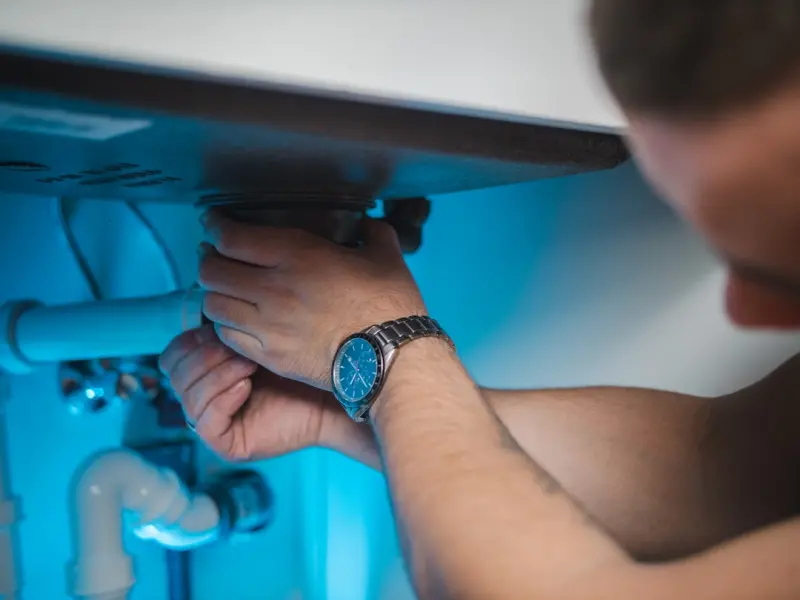
Why Every Homeowner Should Embrace Hands‑On Plumbing
When you hear the word “plumbing,” you probably picture a maze of pipes hidden behind walls, a toolbox full of mysterious fittings, and a professional in a uniform who shows up when things go wrong. I used to think the same—until I spent a weekend fixing a stubborn faucet in my own kitchen. The sense of control I gained from turning a drip into a steady stream was addictive. Today, I’m a firm believer that a basic grasp of plumbing isn’t just a handy party trick; it’s a cornerstone of sustainable living, cost savings, and home confidence.
Debunking the Myths That Keep You From Trying
Before you roll up your sleeves, let’s clear the fog of common misconceptions that keep many homeowners stuck on the “call‑a‑pro” side of the fence.
- “I’ll just make it worse.” Most small‑scale repairs—like tightening a valve seat or replacing a washer—require only a few minutes and basic tools. The worst that usually happens is a temporary leak, which is far easier to fix than a major pipe burst.
- “It’s too expensive to buy tools.” A modest starter kit (adjustable wrench, pipe cutter, plumber’s tape, and a few sealants) can be assembled for under $50. Think of it as an investment that pays for itself the moment you avoid a $200 emergency repair.
- “Plumbing is all about high‑tech gadgets.” While smart meters and sensor‑driven systems are gaining traction, the core of plumbing is still very much analog—pipes, fittings, and the physics of water flow.
The Core Toolkit for a Confident DIY Plumber
Having the right tools at your fingertips turns hesitation into action. Here’s my essential list, curated from years of trial and error:
- Adjustable wrench – Your go‑to for nuts and bolts of varying sizes.
- Pipe cutter or hacksaw – Clean cuts are crucial for leak‑free joints.
- Plumber’s tape (PTFE) – The secret to watertight threaded connections.
- Slip‑joint pliers – Perfect for gripping irregular shapes.
- Bucket and towels – Because a little water on the floor is inevitable.
- Pipe thread sealant – For those moments when tape alone isn’t enough.
When you’ve got these basics, you’ll find that most household plumbing issues are within reach.
Step‑by‑Step: Taming the Classic Dripping Faucet
The dripping faucet is the most common nuisance in any home, and it can waste up to 3,000 gallons of water a year. Fixing it is a perfect starter project.
- Turn off the water supply. Locate the shut‑off valves under the sink and turn them clockwise until they stop.
- Plug the drain. Use a sink stopper or a rag to prevent any small parts from slipping down the pipe.
- Disassemble the handle. Usually a set screw hidden beneath a decorative cap holds the handle in place. Loosen it with a screwdriver and lift the handle off.
- Inspect the cartridge or valve stem. Most modern faucets use a cartridge; older ones rely on a rubber washer. Examine it for wear, mineral buildup, or cracks.
- Replace the faulty part. Bring the old component to a hardware store for an exact match. Install the new cartridge or washer, re‑assemble the handle, and tighten the set screw.
- Restore water flow. Slowly turn the shut‑off valves back on and test the faucet. You should hear a clean, steady stream—no more drip.
If the leak persists, it might be a deeper issue like corroded valve seats. In that case, a quick call to a licensed plumber can save you from a costly mishap.
Finding Hidden Leaks Without a High‑Tech Detective Kit
Many homeowners are unaware that leaks can lurk behind walls, under floors, or even within the foundation. Here are low‑tech methods you can use to uncover sneaky water loss.
- Water meter test. Turn off every faucet, appliance, and sprinkler in the house. Record the water meter reading, wait an hour, then check it again. If the numbers have changed, water is escaping somewhere.
- Food coloring trick. Add a few drops of bright food coloring to the toilet tank (not the bowl). Wait 15 minutes; if the bowl changes color without flushing, you have a leak in the flapper.
- Paper towel inspection. Place paper towels under suspected pipe runs (e.g., beneath the sink, behind the washing machine). Damp spots indicate moisture intrusion.
- Moisture‑sensing stickers. These inexpensive stickers change color when exposed to humidity, offering a visual cue for hidden wet zones.
Finding the source early can prevent mold growth, structural damage, and inflated water bills.
Conserving Water While You DIY
Every repair you make is an opportunity to embed water‑saving habits into your home’s routine.
- Install low‑flow aerators on showerheads and faucets. They reduce flow without sacrificing pressure.
- Replace old toilets with dual‑flush models that allow a smaller flush for liquid waste.
- Consider a retrofit rain‑water collection system for garden irrigation. It’s a simple gravity‑fed setup that can be installed in a weekend.
- Seal any exposed pipe joints with smart sealing techniques to prevent wasteful drips.
When DIY Isn’t Enough: Knowing the Line to Cross
Even the most diligent DIYer must recognize the point at which professional help is the wiser choice. Here are red flags:
- Continuous flooding. If water is rapidly rising or you see a burst pipe, shut off the main valve and call emergency services.
- Corroded or rusted pipes. Old galvanized steel can collapse under pressure, requiring full replacement.
- Complex remodels. Re‑routing a main line or integrating new fixtures into a bathroom renovation often demands permits and expertise.
- Gas‑line proximity. Any work near gas lines should be handled exclusively by licensed technicians.
Calling a professional doesn’t mean you’ve failed; it means you value safety and long‑term durability.
Future‑Proofing Your Home’s Plumbing with Sustainable Choices
Beyond immediate fixes, consider how today’s decisions shape tomorrow’s water footprint.
- Grey‑water recycling. Diverting sink and shower runoff to a treatment tank can supply toilets and irrigation, cutting fresh water demand by up to 30%.
- Pipe material upgrades. Switching from copper to PEX reduces the risk of corrosion and can extend pipe life by decades.
- Insulating exposed pipes. This prevents heat loss in winter and reduces the chance of freeze‑burst incidents.
Even small adjustments—like swapping out a single faucet for a water‑efficient model—add up to a greener, more resilient household.
Linking the Bigger Picture: Building‑Envelope Care and Home Comfort
Plumbing doesn’t exist in isolation; it’s part of the whole building envelope. For a holistic view on protecting your home’s skin, check out the article on building envelope upkeep. The same proactive mindset that keeps your roof in shape applies to the water‑carrying arteries beneath your floors.
And if you’re looking for a broader set of home‑comfort hacks—from acoustic improvements to lighting tricks—our guide on everyday home comfort hacks offers a treasure trove of ideas that complement your plumbing upgrades.
Wrapping It Up: Confidence, Savings, and Sustainability
Learning to troubleshoot and repair basic plumbing issues empowers you to protect your home, cut utility costs, and make environmentally responsible choices. You don’t need a degree in engineering—just a willingness to roll up your sleeves, a few trusty tools, and a curiosity to understand how water moves through your living space.
Next time you hear a drip, remember: you have the know‑how to silence it, the methods to locate hidden leaks, and the foresight to make your system more sustainable. Your home—and your wallet—will thank you.

Kelly Reynolds is a dynamic freelance writer hailing from the picturesque landscapes of Alberta. A master of the written word, she juggles her passion for storytelling with the exhilarating chaos of being a mother to five spirited children. With an impressive portfolio that spans various genres, Kelly captivates readers through her engaging blog posts and thought-provoking articles.
Related Posts
Silent Water Intruders: Mastering Hidden Leak Detection for a Healthy Home
Learn how to detect invisible leaks before they cause damage. From acoustic listening devices to sma... Read More
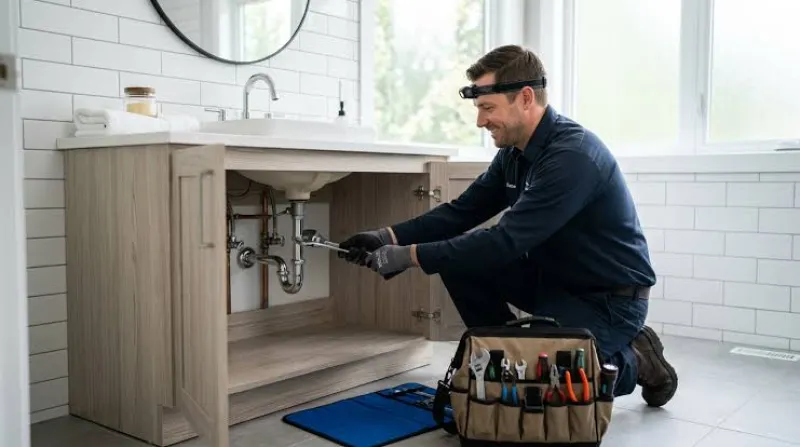
The Trending Taps: A Lifan Chen Guide to Mastering Your Home's Plumbing
From preventing leaks to embracing smart home tech, Lifan Chen offers a comprehensive guide to under... Read More
Turning Waste into Resource: Grey‑Water Recycling Strategies for Modern Buildings
Grey‑water recycling transforms bathroom and laundry runoff into a valuable water source, deliveri... Read More
Top Posts

How IoT and AI Are Revolutionizing Snow Removal for the Modern Homeowner
Explore a data‑driven approach to snow removal, blending IoT sensors, AI forecasts, and automated equipment to save time, money, and the planet....Read More

Hybrid Deck Design: Turning Outdoor Platforms into Productive Work‑Life Hubs
Discover how to convert a simple deck into a versatile hybrid workspace that boosts productivity, supports wellness, and differentiates your brand, using sustai...Read More
Green Carpet Cleaning: Turning Sustainability Into Facility Performance
Discover the strategic advantages of green carpet cleaning, from water and energy savings to improved employee health and ESG performance, with a practical 90â€...Read More

Design‑Build Blueprint for Net‑Zero Energy Homes
A deep dive into the design‑build process that turns net‑zero energy goals into reality, covering site analysis, envelope design, renewable integration, and...Read More
0 Comments
Post Comment
You will need to Login or Register to comment on this post!