
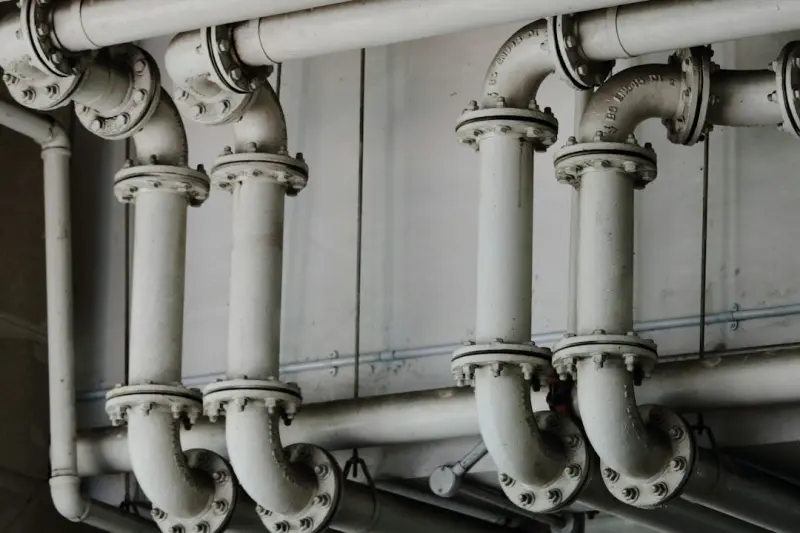
When I first hung my tool belt on a job site, the world of plumbing felt like a secret club—full of hidden pathways, silent pressures, and the occasional surprise splash. Decades later, that same club has evolved into a high‑tech consortium where sensors whisper, data streams flow, and the humble pipe becomes a conduit for intelligence as well as water. In this piece, I’ll walk you through the emerging trends that are turning everyday plumbing into the silent brain of a modern home, and share practical steps you can take right now to ride the wave.
From Static Pipes to Dynamic Water Networks
Traditional plumbing was designed as a one‑way highway: water in, waste out. Engineers focused on pressure, flow rates, and durability, while homeowners rarely gave a second thought to the veins beneath their floors. Today, those veins are being retrofitted with micro‑controllers, flow sensors, and cloud‑connected valves that do far more than just transport liquid. They monitor usage, detect leaks before a drop hits the floor, and even adjust flow based on real‑time demand.
Imagine a system that knows you’re taking a quick shower after a workout and automatically reduces the temperature to your preferred “post‑gym cool‑down” setting, while simultaneously diverting excess water to your garden’s drip line. That’s not a futuristic fantasy; it’s the emerging reality of smart water networks that blend sustainability with convenience.
Why Leak Detection Is No Longer a Luxury
Even the most seasoned plumber will admit that the biggest nightmare is a hidden leak—water that seeps behind walls, rots wood, and creates mold before anyone notices. In the past, detection meant tearing out sections of drywall or waiting for a flood. Now, ultrasonic acoustic sensors, pressure‑drop algorithms, and AI‑driven analytics can flag anomalies within minutes.
- Acoustic sensors: Small devices that listen for the high‑frequency sound of water escaping its pipe, sending alerts to your phone.
- Pressure monitoring: A drop in pressure can indicate a leak somewhere in the system; modern valves can isolate the affected zone automatically.
- Machine learning: By learning the normal usage patterns of a household, AI can differentiate between a legitimate spike (like a large laundry load) and an abnormal loss.
These technologies transform leak detection from a reactive “after the fact” response into a proactive safeguard, saving thousands in water bills and structural repair costs.
Integrating Graywater & Rain Harvesting Without the Hassle
Water conservation is no longer just a buzzword; it’s a necessity. Graywater systems—reusing water from sinks, showers, and washing machines for irrigation—have historically required bulky tanks, complex plumbing, and a fair amount of maintenance. However, modular, plug‑and‑play graywater units now fit under a standard kitchen sink, featuring built-in filtration and a smart controller that syncs with weather forecasts.
When a rainstorm is on the horizon, your system can divert rainwater collected in rooftop barrels directly to your garden, bypassing the graywater loop entirely. If the forecast calls for a dry spell, the controller automatically switches to recycled water, ensuring your plants stay hydrated while you keep your municipal usage low.
For homeowners who are hesitant about the perceived complexity, many manufacturers offer subscription services that handle filter replacements and system diagnostics, turning a potentially daunting installation into a set‑and‑forget solution.
Choosing the Right Pipe Materials for Longevity and Sustainability
It’s easy to default to the cheapest PVC when renovating, but the long‑term costs—both financial and environmental—can add up quickly. Here’s a quick guide to the most common pipe materials and their trade‑offs:
- PEX (cross‑linked polyethylene): Flexible, resistant to freeze‑burst, and easy to install. Great for retrofits where you want to minimize wall demolition.
- Copper: Naturally antimicrobial, excellent for hot‑water lines, but resource‑intensive to produce. Recyclable, though.
- Stainless steel: Offers superior durability and corrosion resistance, ideal for coastal homes with salty air. Higher upfront cost, but a long lifespan.
- Tru‑Pex® and similar insulated variants: Combine the flexibility of PEX with built‑in thermal insulation, reducing heat loss and preventing condensation.
When you pair the right material with modern insulation techniques—think turning waste into high‑performance comfort—you create a pipe system that stays efficient for decades, slashing both energy and water waste.
Smart Fixtures: The Frontline of Water Efficiency
Smart faucets and showerheads are more than just fancy knobs. They incorporate flow sensors, temperature memory, and even voice activation. Some models track usage per person, allowing households to set personalized limits and receive notifications when thresholds are approached.
One standout feature is the “eco‑pause” mode: when the sensor detects you’ve stepped away—say, while shaving—you simply press a button on the faucet or issue a voice command, and water flow drops to a trickle until you return. Over a year, these micro‑adjustments can shave off hundreds of gallons.
How Continuous Home Monitoring Enhances Plumbing Health
Just as you wouldn’t skip regular oil changes for your car, your plumbing system benefits from ongoing health checks. continuous home inspections leverage the same sensors that monitor HVAC and security systems, providing a holistic view of your home’s condition.
These platforms generate a “plumbing health score” based on factors like:
- Average pressure variance across zones
- Frequency of minor leak alerts
- Temperature consistency in hot‑water loops
- Insulation performance around exposed pipes
A declining score triggers a recommendation—perhaps a localized valve replacement or a pipe insulation upgrade—before a minor issue spirals into a costly disaster.
The Role of Data Privacy in Smart Plumbing
When you invite sensors into your home, you also invite data collection. Reputable manufacturers now provide end‑to‑end encryption and on‑device processing, meaning that usage statistics never leave your local network unless you explicitly opt‑in. Look for products that adhere to standards such as GDPR (even if you’re outside the EU) or the upcoming ISO/IEC 30141 IoT security framework.
By staying vigilant about firmware updates and choosing open‑source platforms where possible, you retain control over who sees your water consumption patterns—a crucial step in protecting both privacy and security.
DIY Plumbing Upgrades: When to Roll Up Your Sleeves and When to Call the Pro
There’s a sweet spot between a simple faucet swap and a full‑scale pipe replacement. Here’s a quick decision matrix:
- Simple replacements (faucets, showerheads, aerators): Usually a DIY job. Turn off the water supply, replace the component, and test for leaks.
- Installing smart valves or sensors: DIY if you have basic electrical knowledge; many kits come with clear wiring diagrams and pre‑configured Wi‑Fi modules.
- Re‑routing or enlarging main supply lines: Requires permits and a professional plumber—mistakes can jeopardize structural integrity.
- Graywater or rain‑harvesting integration: Best handled by a certified specialist, especially where local codes dictate cross‑connection safeguards.
Remember, the goal isn’t to turn every homeowner into a plumber, but to empower you to make informed choices and maintain simple upgrades confidently.
Future‑Ready Plumbing: Building for Flexibility
Homes are no longer static entities; they evolve with families, technologies, and even climate conditions. Designing a plumbing system with flexibility in mind means:
- Installing access panels at strategic points for easy sensor or valve upgrades.
- Using modular pipe sections that can be swapped without extensive demolition.
- Integrating a central hub that can communicate with other smart home systems—lighting, HVAC, security—so water management can be coordinated with overall energy efficiency goals.
Think of it as building flexibility into every wall, not just for electrical or data cabling, but for the water arteries that keep your home alive.
Wrapping Up: The Quiet Revolution Beneath Your Feet
Plumbing has always been the unsung hero of a comfortable home, quietly delivering the basics while staying out of sight. Today, it’s stepping into the spotlight—not by making a lot of noise, but by speaking the language of data, sustainability, and intelligent design. By embracing smart sensors, sustainable water loops, and a proactive maintenance mindset, you can transform your pipes from passive conduits into active participants in a healthier, more efficient home.
Whether you’re a DIY enthusiast eager to install a smart faucet, a homeowner looking to cut water bills, or a professional plumber wanting to stay ahead of the curve, the tools and knowledge are now at your fingertips. The next time you hear a gentle trickle, remember: that sound could be the start of a conversation between you and your home’s most vital network.

William Roy is a freelance writer originally from Montreal who moved to Ottawa with his wife of 50 years to be closer to their grandkids. Alongside his writing, William has a passion for fishing.
Related Posts

Seasonal Plumbing Checkups: The Proactive Homeowner’s Secret to Leak‑Free Living
A practical guide to seasonal plumbing maintenance, offering checklists, early warning signs, and sm... Read More
Reviving Vintage Pipes: Modern Solutions for Historic Homes
A deep dive into preserving and modernizing the plumbing of historic homes, balancing heritage aesth... Read More
The Sustainability Shift in Plumbing: How to Make Your Home More Eco-Friendly
The plumbing industry is undergoing a significant transformation, with homeowners seeking sustainabl... Read More
Top Posts

The Next Generation of Insulation: From Passive Barriers to Intelligent Thermal Skins
Insulation is evolving from static R‑value barriers to intelligent, sensor‑rich systems that store heat, communicate with energy controls, and proactively i...Read More
The Future of Garage Doors: Sustainable Solutions for a Greener Tomorrow
The future of garage doors is sustainable. Learn how eco-friendly materials, energy-efficient designs, and smart technologies can help reduce your carbon footpr...Read More

The Quiet Revolution: How Bathtub Refinishing Elevates Design, Health, and Value
Bathtub refinishing is more than a quick cosmetic fix; it’s a strategic upgrade that enhances aesthetics, improves health, integrates smart tech, and offers a...Read More

Transform Your Bathroom: The Unexpected Power of Bathtub Refinishing
Explore why a simple bathtub refinishing can turn an outdated bathroom into a spa‑like retreat, boost home value, and align with sustainable renovation goals....Read More
0 Comments
Post Comment
You will need to Login or Register to comment on this post!