
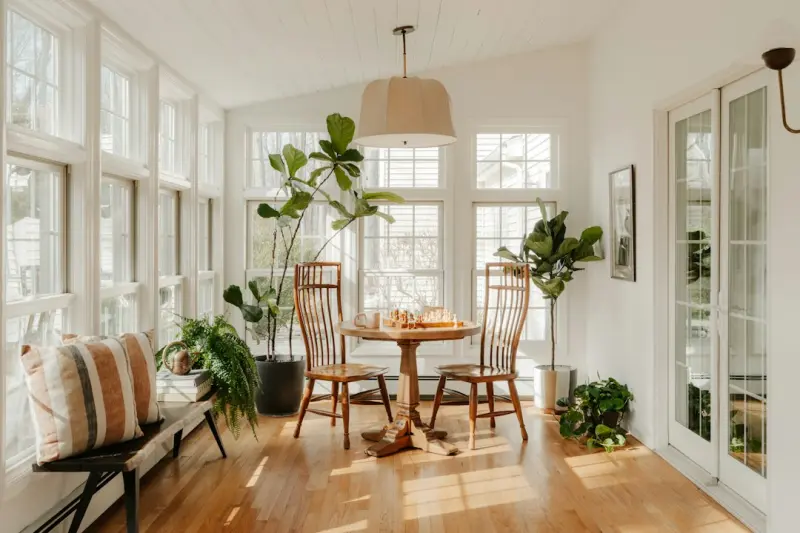
When I first moved into my downtown loft, I was struck by one glaring omission: sunlight. The space had sleek lines, a modern kitchen, and all the tech you could wish for, yet it felt dim, a little heavy, like a room that never quite woke up. I decided to treat natural light not just as a design afterthought, but as a core strategy for home comfort, mood, and even productivity. What follows is a deep dive into practical, science‑backed ways to coax more daylight into your living spaces, while staying mindful of energy use and privacy.
Why Natural Light Deserves a Place at the Top of Your Home‑Improvement List
Beyond the obvious aesthetic appeal, daylight plays a crucial role in regulating our circadian rhythms, influencing hormone production, and shaping our emotional state. Research shows that exposure to ample natural light during the day can boost serotonin levels, improve focus, and even aid in better sleep at night. For a home that functions as a sanctuary, an office, and a place for family gatherings, leveraging sunlight is a low‑cost, high‑impact upgrade.
Unlike artificial lighting, which you can control with dimmers and color temperatures, sunlight brings an ever‑changing quality that can’t be fully replicated. It shifts in hue throughout the day, casting warm golds at sunrise, crisp blues at noon, and soft ambers at dusk. Harnessing this dynamic source helps your interior feel alive and responsive.
Step 1: Conduct a Light Audit—Know What You’re Working With
Before you start pulling down walls or buying expensive smart blinds, take a systematic look at how light currently behaves in each room. Grab a notebook (or a note‑taking app) and walk through at different times: early morning, midday, and late afternoon. Note the following:
- Light intensity: Is the room bright, dim, or somewhere in between?
- Direction of light: Which windows receive direct sun, and which are shaded?
- Obstructions: Are heavy curtains, furniture, or décor blocking the flow?
- Glare issues: Do you see uncomfortable reflections on screens or glossy surfaces?
Documenting these observations gives you a clear roadmap of where interventions are most needed. It also helps you prioritize low‑effort fixes that can deliver immediate results.
Step 2: Optimize Window Treatments—Smart, Not Stuffy
Window coverings are often the first line of defense against glare, privacy concerns, and heat loss. Instead of defaulting to opaque drapes, consider layered solutions:
- Sheer curtains let diffused light filter in while preserving privacy. Choose fabrics in light, neutral tones to bounce light deeper into the room.
- Top‑down, bottom‑up blinds let you lower the bottom portion for privacy while still letting light in from the top.
- For tech‑savvy homes, explore responsive wallpaper that can adjust opacity based on the time of day, offering an elegant, futuristic alternative to traditional blinds.
When selecting colors, remember that lighter hues reflect more light, whereas darker shades absorb it. If you need a bold statement, pair a darker accent wall with a light ceiling to maintain an overall airy feel.
Step 3: Embrace Reflective Surfaces and Light‑Enhancing Décor
Mirrors are the unsung heroes of natural light distribution. Strategically placing a large mirror opposite a window can double the amount of light reflected into a room. For a more subtle approach, consider:
- Glossy or high‑gloss finishes on cabinets, countertops, and even flooring. They bounce light without feeling cheap.
- Metallic accessories like brass lamp bases, copper vases, or silver picture frames. These small touches catch light and add a touch of sophistication.
- Light‑colored furniture such as a cream sofa or a pale wood coffee table to keep the space bright.
When you combine reflective elements with natural light, you create a sense of depth and spaciousness that can make even a modest room feel larger.
Step 4: Re‑think Your Layout—Let Light Flow Freely
Furniture placement can either funnel sunlight into key areas or create dead zones where light never reaches. Here’s how to arrange for maximum brightness:
- Keep pathways clear in front of windows. Even a low console table can cast shadows that diminish the perceived light.
- Use low‑profile furniture near windows. A sleek, low sofa or a floating desk allows light to pass underneath, rather than being blocked by bulky pieces.
- Rotate artwork and décor so that larger pieces aren’t placed directly against a sunny wall, which can cause a “wall‑sucking” effect that absorbs light.
When you shift a heavy bookshelf from a sunny corner to a more neutral spot, you’ll notice an immediate increase in ambient light throughout the room.
Step 5: Add Light‑Enhancing Architectural Features
If you’re willing to invest a bit more, consider these upgrades that can dramatically boost daylight penetration:
- Window extensions or skylights: Adding a skylight or a larger window opening can flood a space with natural light. Modern low‑profile skylights are highly insulated, minimizing heat loss.
- Glass doors and interior partitions: Replace solid interior doors with frosted or clear glass options to let light travel between rooms.
- Light‑wells: A small, sun‑lit shaft built into the floor can bring daylight down to lower levels, such as a basement or a hallway.
These architectural moves not only improve lighting but also add a contemporary aesthetic that can raise the overall market value of your home.
Step 6: Harness Seasonal Light Changes—Adapt, Don’t Fight
Daylight varies dramatically across seasons, and a static setup can feel sub‑optimal at different times of the year. To stay adaptable:
- Use adjustable blinds that you can raise higher in summer to block harsh sun, while lowering them in winter to retain warmth.
- Employ smart lighting controls that sync with your home’s sunrise and sunset times, complementing natural light with warm LED tones during evenings.
- Seasonal décor swaps—light, breezy fabrics in summer; richer, textured throws in winter—help balance the visual weight of the space.
By aligning your home’s lighting strategy with nature’s rhythm, you create a harmonious environment that feels intuitive and comfortable year‑round.
Step 7: Simple DIY Fixes to Maximize Light (and Save Money)
If you’re a hands‑on homeowner, there are quick fixes that don’t require a contractor. A good resource for step‑by‑step instructions is DIY Home Repair, which covers everything from swapping out old window frames to installing new trim that reflects light.
Here are a few DIY ideas you can tackle in an afternoon:
- Paint the interior of window frames white. This subtle change can reflect additional light into the room.
- Replace heavy drapery rods with thin, minimalistic brackets. Less visual bulk means more light can travel unobstructed.
- Install a simple pocket door instead of a solid door. Pocket doors slide into the wall, freeing up space and allowing light to flow through the opening.
These projects are budget‑friendly and can be completed with basic tools, giving you a sense of accomplishment and immediate visual payoff.
Step 8: Balance Light with Energy Efficiency
While bringing in more daylight, you also want to keep your energy bills in check. Here are some tips to strike that balance:
- Low‑emissivity (Low‑E) glass: This coating reduces heat loss in winter while reflecting excess heat in summer, letting you enjoy sunlight without sacrificing energy efficiency.
- Thermal curtains for nighttime: Use heavier curtains after sunset to keep heat in during colder months, and open them first thing in the morning to let the sun naturally warm the space.
- Combine natural light with LED fixtures. When daylight fades, LED lights that mimic natural daylight (around 5000 K) can fill the gap without harsh glare.
By integrating smart glass options and thoughtful lighting schedules, you maintain a bright home without inflating your utility costs.
Step 9: Create Light‑Centric Zones for Different Activities
Not all rooms have the same lighting needs. Designing specific zones based on activity can make your home more functional:
- Workspaces: Position desks near windows to capitalize on natural light, which improves focus and reduces eye strain. Add a subtle task lamp for overcast days.
- Reading nooks: Pair a comfortable armchair with a floor lamp that offers adjustable brightness, and keep a small side table for a reading light that won’t compete with ambient daylight.
- Dining areas: A chandelier or pendant light should complement, not overpower, the daylight coming through the adjacent windows. Use dimmable fixtures for evening meals.
These intentional zones make it easier to transition between tasks without constantly adjusting lighting settings.
Step 10: Monitor and Iterate—Make Light a Living Element
Finally, treat natural light as a dynamic element that evolves with your lifestyle. Set reminders every few months to reassess how light interacts with your space, especially after any major interior changes—new furniture, paint colors, or even seasonal décor swaps. Keep a simple log of any adjustments you make and note the impact on mood, productivity, and energy use.
Over time, you’ll develop an intuitive sense of how to coax daylight where it’s needed most, creating a home that feels vibrant, welcoming, and aligned with the natural world outside.
By following these ten steps, you’ll turn sunlight from a fleeting backdrop into a central design feature that lifts your spirit, sharpens your focus, and reduces reliance on artificial lighting. So next time you wake up, pull those curtains aside and let the day in—your home (and your wellbeing) will thank you.

William Roy is a freelance writer originally from Montreal who moved to Ottawa with his wife of 50 years to be closer to their grandkids. Alongside his writing, William has a passion for fishing.
Related Posts
The Future is Now: Smart Home Technology for a Smarter, Simpler Life
Explore the revolution of smart home technology with Lifan Chen. Learn how intelligent devices and s... Read More

Smart Home Hacks: Everyday Tweaks That Transform Comfort and Efficiency
Learn how simple, low‑cost adjustments in lighting, storage, and ventilation can dramatically impr... Read More

The Importance of Professional Help in Home Maintenance
Maintaining a home can be daunting, but with professional help, homeowners can enjoy a beautiful, fu... Read More
Top Posts
Hybrid Deck Design: Turning Outdoor Platforms into Productive Work‑Life Hubs
Discover how to convert a simple deck into a versatile hybrid workspace that boosts productivity, supports wellness, and differentiates your brand, using sustai...Read More
Reimagining the Bathroom: A Wellness‑First, Tech‑Enabled, Sustainable Renovation Blueprint
A modern bathroom can be more than a functional space—it can serve as a wellness sanctuary. This guide outlines how to integrate human‑centric design, smart...Read More
Renovation Checklist: Future‑Ready Flex Spaces and Tech‑Savvy Upgrades
A detailed, step‑by‑step renovation checklist helps homeowners create adaptable, tech‑enabled spaces that increase value, comfort, and longevity....Read More

Passive Solar Shading: The Smart Homeowner’s Blueprint for Weather Proofing
A practical guide to leveraging passive solar shading—dynamic window films, exterior louvers, and reclaimed materials—to create a smarter, more energy‑eff...Read More
0 Comments
Post Comment
You will need to Login or Register to comment on this post!