

Rethink Your Entryway: The First Impression That Saves You Time
When I step through the front door after a long day, I want the transition from street to sanctuary to be seamless, not a chaotic sprint through shoes, bags, and stray mail; that’s why I transformed my entryway into a low‑maintenance hub that actually reduces stress and cuts down on daily decision fatigue. I started by installing a slim, wall‑mounted coat rack that doubles as a small shelf for keys, wallets, and the ever‑present phone charger, eliminating the need for a tabletop clutter dump; the secret is to keep every item within arm’s reach but out of sight, using hidden hooks and magnetic strips for metal tools like scissors and small flashlights. Next, I laid down a durable, easy‑clean runner made from recycled polymer that resists mud and spills, so I never have to sweep the hallway before dinner; a simple swipe with a rubber broom does the trick, and the runner’s subtle texture actually signals my brain that the home’s “clean zone” has begun, nudging me to leave the outdoor grime at the door. Finally, I added a discreet, built‑in mail slot with a pull‑out tray that slides into a closet, turning the dreaded pile of envelopes into a tidy stack that I can scan and file in under two minutes each evening.
Revitalize the Bathroom Routine: Small Tweaks for Big Comfort Gains
My bathroom used to feel like a rushed stopover, a place where I’d fling a towel over a hook and scramble for a fresh one; by integrating a few strategic upgrades, I turned it into a mini‑spa that actually encourages mindful self‑care without inflating utility bills. First, I swapped the traditional towel bar for a heated, low‑voltage rail that keeps towels warm and dries them faster, cutting laundry loads by nearly 20 % while delivering that cozy “just‑out‑of‑the‑dryer” feel every morning; the rail plugs into a standard outlet, and the thermostat can be set low enough to stay energy‑efficient. Second, I installed a dual‑flush sensor faucet that senses hand proximity and delivers a precise water volume, which not only reduces waste but also creates a gentle, spa‑like stream that feels more luxurious than the usual gush; this tiny gadget saved me roughly 15 % on my monthly water bill. Lastly, I added a small, wall‑mounted organizer with labeled compartments for toothbrushes, razors, and daily vitamins, turning the countertop from a cluttered battlefield into a calm, curated display that invites a slower, more intentional start to the day.
Optimize the Living Room Flow: Multipurpose Furniture and Hidden Storage
Living rooms often become catch‑all zones where everything from board games to work laptops ends up, and I learned that the key to reclaiming space is to choose furniture that serves at least two purposes while keeping the aesthetic clean and welcoming. I started with a sleek, modular sofa that includes a built‑in pull‑out tray for blankets and magazines, eliminating the need for a separate coffee table that would otherwise collect crumbs and remote controls; the tray slides out effortlessly, and when folded back, the sofa retains a low profile that makes the room feel larger. To further hide the inevitable clutter, I installed a floating media console with hidden drawers and a concealed cable management system, allowing me to stash gaming controllers, power cords, and even a small stack of books without exposing unsightly wires; the console’s top surface remains clear for decorative pieces like a potted succulent or a framed photo, preserving the room’s visual balance. Finally, I placed a stylish, open‑back bookshelf against the wall, using the back panel as a pegboard for seasonal décor, headphones, and a few hanging plants, which adds texture while keeping everyday items within easy reach and out of the floor space.
Entryway Lighting: Setting the Mood While Saving Energy
Lighting is often overlooked in the entryway, yet a well‑planned illumination can instantly elevate the ambiance and improve safety, especially during those early morning or late‑night arrivals; I upgraded to a motion‑sensor LED fixture that activates at a gentle 300‑lumens level, bright enough to guide my steps without blinding my eyes. The fixture draws less than 5 watts, translating to a negligible addition to the electric bill while providing a steady, flicker‑free glow that reduces eye strain; its sensor is calibrated to detect motion within three meters, so the light stays on only when needed, preventing unnecessary consumption. Additionally, I added a small, solar‑charged table lamp on a nearby console for those rare overcast days when the sensor’s performance dips; the lamp charges throughout the day and automatically turns on at dusk, offering a warm, amber hue that complements the cooler LED tone, creating a layered lighting effect that feels both modern and welcoming. This combination of technologies not only enhances the visual appeal but also reinforces a habit of turning lights off when not in use, reinforcing my household’s commitment to sustainable living.
Bathroom Ventilation Hacks: Breathe Fresh Air Without a Full‑Scale Renovation
Stale air and lingering humidity can turn a bathroom into a breeding ground for mold, and while a full ventilation overhaul is costly, I discovered three simple tweaks that dramatically improve airflow and keep the space dry. First, I attached a magnetic, low‑profile vent cover to the existing exhaust fan; the cover can be opened during showers to direct steam outward and closed afterward to maintain privacy, and its magnetic seal ensures no drafts escape when the fan is off. Second, I placed a small, battery‑powered air purifier on the vanity shelf that continuously circulates air, capturing airborne particles and reducing the musty smell that often lingers after a hot bath; the device runs silently and signals when the filter needs replacement, making maintenance a breeze. Lastly, I added a set of moisture‑absorbing silica gel packets tucked into the cabinet corners, which silently draw excess humidity away from towels and toiletries, extending the life of fabrics and preventing mildew on wooden surfaces. Together, these inexpensive measures create a fresher, healthier bathroom environment without the need for costly ductwork or structural changes.
Living Room Acoustic Comfort: Soft Surfaces that Reduce Echo
Echoes in a living room can be distracting, especially when you’re trying to watch a movie or hold a conversation, and I found that introducing soft, absorbent surfaces can dramatically improve acoustic comfort without sacrificing style. I started by hanging a large, woven wall tapestry behind the TV; the tapestry’s thick fibers act like natural sound absorbers, dampening high‑frequency reverberations and adding a splash of color that ties the room’s palette together. Next, I swapped out the standard rug for a thick, low‑pile wool rug that covers the majority of the floor area; wool’s dense structure not only feels plush underfoot but also traps sound waves, reducing the “clatter” of foot traffic and the occasional thump of dropped items. Finally, I incorporated a set of decorative floor cushions and poufs made from recycled foam, strategically placed around the seating area; these cushions absorb ambient noise while providing extra seating options for guests, creating a cozy, flexible environment that feels both lively and intimate. The combined effect of these soft elements creates a welcoming acoustic backdrop that enhances every listening and viewing experience.
Entryway Organization: Leveraging Vertical Space for Daily Essentials
Vertical space is an underutilized asset in most homes, and I turned my narrow hallway into a functional gallery by installing a series of slim, staggered shelves that hold everything from umbrellas to seasonal décor, freeing up precious floor space for smoother foot traffic. Each shelf is anchored to the wall with hidden brackets that keep the profile sleek, and I use matching wicker baskets to corral smaller items like gloves, scarves, and reusable shopping bags, making retrieval effortless; the baskets are labeled with minimalist tags, so even on a rushed morning I can spot the right item at a glance. To keep the look cohesive, I painted the shelves in a muted taupe that complements the hallway’s existing paint, and I added a narrow, LED strip along the underside of each shelf, providing subtle illumination that highlights the stored items and adds a warm glow to the otherwise dim corridor. This vertical organization not only declutters the space but also creates a visual rhythm that guides the eye toward the front door, making the transition from outside to inside feel intentional and calm.
Living Room Lighting Layers: Combining Ambient, Task, and Accent Light
Good lighting is the backbone of a comfortable living room, and I discovered that layering three distinct types of light—ambient, task, and accent—creates a versatile environment that adapts to any activity, from movie nights to evening reading sessions. I began with a dimmable LED recessed ceiling fixture that supplies even ambient illumination; the dimmer allows me to set the room’s overall brightness to match the time of day or mood, and the LEDs are energy‑efficient, reducing electricity usage by up to 30 % compared to traditional bulbs. For task lighting, I positioned a pair of adjustable floor lamps with warm‑white bulbs beside the main sofa, giving me focused light for reading or crafting without glare; the lamps feature a sleek brushed‑steel finish that blends with the room’s modern aesthetic. Finally, I added a set of small, plug‑in accent spotlights that highlight a gallery wall of family photos and travel souvenirs, drawing attention to the personal touches that make the space feel lived‑in. By orchestrating these three layers, the living room becomes a dynamic backdrop that supports both relaxation and productivity, all while maintaining an energy‑conscious footprint.
Bathroom Routine Simplification: One‑Touch Dispenser Systems
Morning routines can become a cascade of tiny decisions that sap mental energy, and I streamlined my bathroom experience by installing a series of one‑touch dispensers that deliver the exact amount of product needed for each task, eliminating waste and reducing countertop clutter. I replaced the traditional soap bottle with a wall‑mounted, automatic foam dispenser that releases a measured burst of cleanser at the press of a foot pedal, keeping my hands clean and the floor free of spills; the dispenser’s refill cartridge is recyclable, aligning with my sustainability goals. For oral hygiene, I installed a sleek, battery‑operated toothpaste dispenser that pumps a pea‑sized amount directly onto the brush, ensuring consistent usage and preventing the common issue of over‑squeezing tubes. Additionally, I added a compact, magnetic strip that holds my razor and shaving cream, allowing me to swipe them together in one motion before stepping into the shower; this reduces the time spent fumbling with loose items and keeps the countertop tidy. These simple, high‑impact upgrades transform a rushed bathroom dash into a smoother, more efficient ritual, freeing up mental bandwidth for the day ahead.

Tom Ferguson is a Canadian freelance writer with a passion for storytelling, current events, and thoughtful commentary. Drawing on years of writing experience, he shares engaging insights on a wide range of topics, bringing a uniquely Canadian perspective to his work.
Related Posts
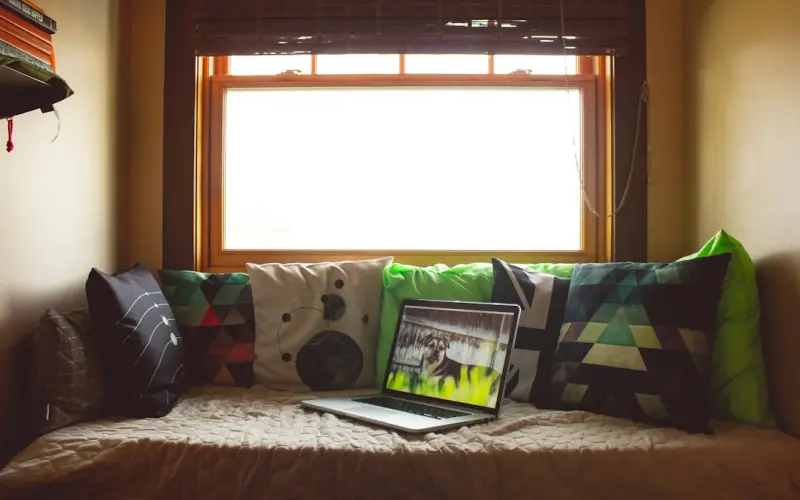
Quiet Corners: Proven Hacks to Make Your Home Sound‑Smart
Learn simple, DIY‑friendly strategies—from sealing gaps and adding rugs to crafting one‑tool a... Read More
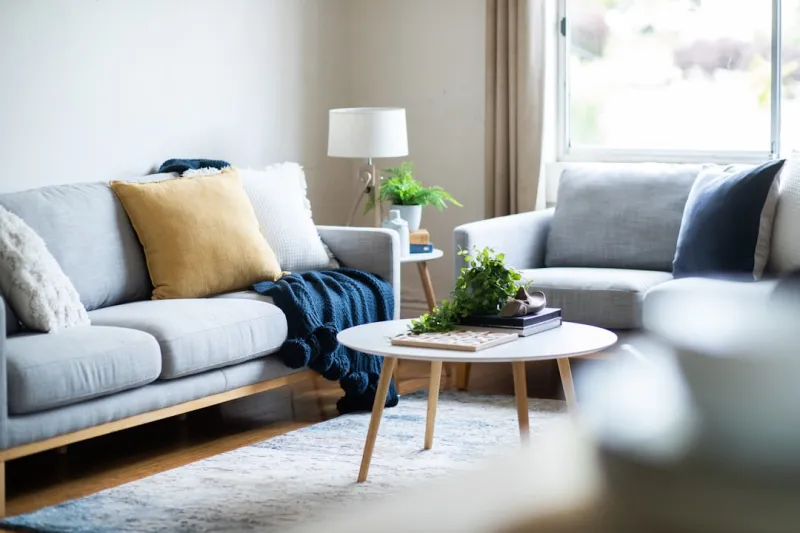
The Future is Now: Smart Home Technology for a Smarter, Simpler Life
Explore the revolution of smart home technology with Lifan Chen. Learn how intelligent devices and s... Read More
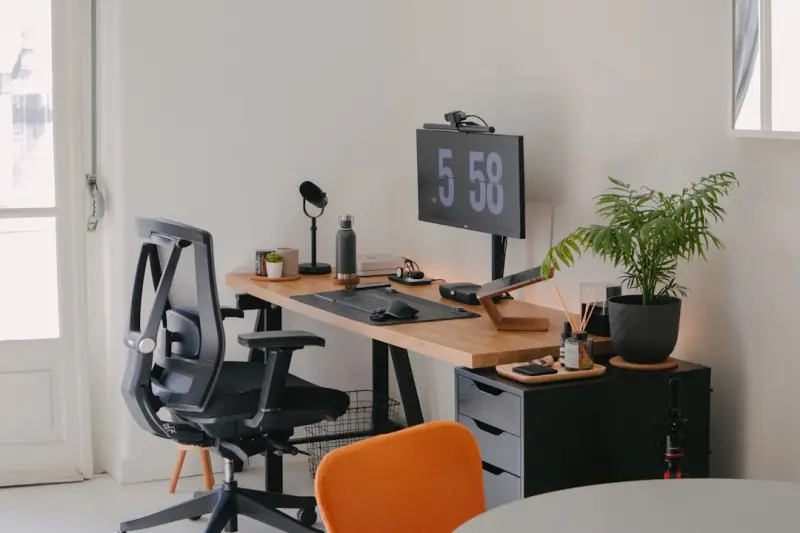
Transform Your Home Into a Productivity Powerhouse with Simple, Low‑Cost Tweaks
Learn how to turn everyday spaces into productivity‑boosting zones with affordable layout tweaks, ... Read More
Top Posts

The Hidden Symphony: Orchestrating Power Flow in Modern Workspaces
A deep dive into dynamic power architecture, showing how smart panels, real‑time analytics, and modular micro‑grids transform office electricity from a hidd...Read More
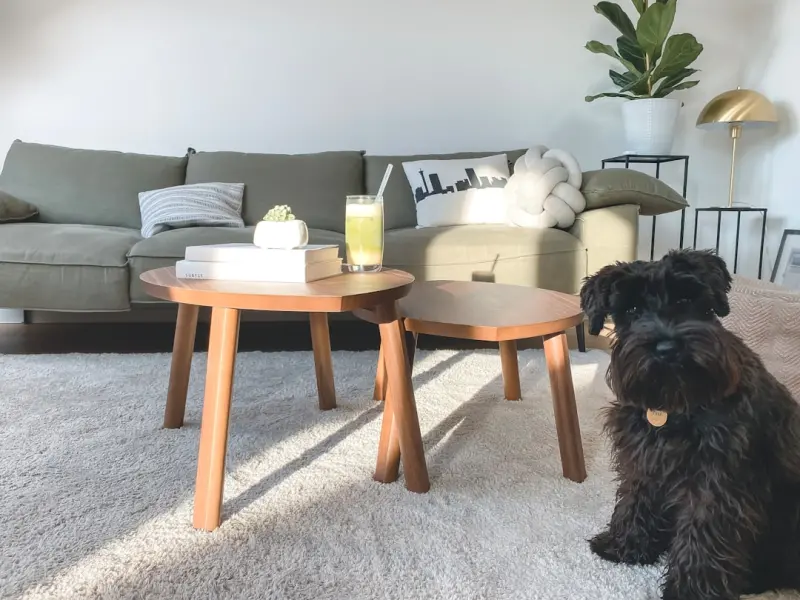
Eco‑Friendly Carpet Cleaning: DIY Solutions That Actually Work
Learn how to clean carpets naturally with enzyme‑rich recipes, protect fibers, and maintain a healthier home—all without pricey chemicals....Read More
The Future of Electrical Systems: Trends, Innovations, and Best Practices
The electrical industry is on the cusp of a revolution. Learn about the latest trends, innovations, and best practices shaping the future of electrical systems ...Read More

Foundation Care-as-a-Service: Predictable Structural Health
A new subscription model turns foundation repair from emergency fixes into predictable, data‑driven maintenance, offering cost stability, reduced downtime, an...Read More
0 Comments
Post Comment
You will need to Login or Register to comment on this post!