
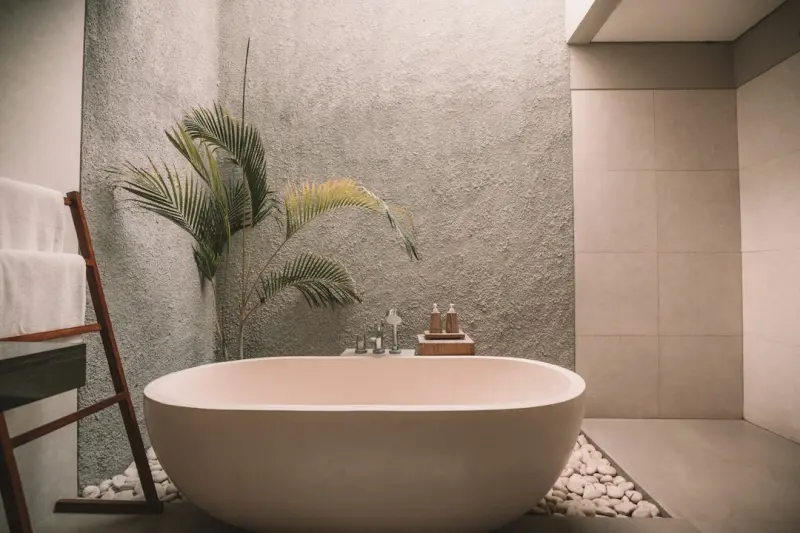
Why a Bathroom Isn’t Just a Room Anymore
When I first started swapping out tile for tile, I thought a bathroom remodel was a simple equation: new vanity plus fresh grout equals a happy homeowner. Over the past decade, that equation has evolved into something far richer. Today, a bathroom is a well‑being hub, a place where technology, sustainability, and design intersect to support mental health, physical recovery, and even productivity.
In this post I’ll walk you through the three pillars that define a next‑generation bathroom renovation: human‑centric wellness design, smart, water‑wise technology, and responsibly sourced materials. By the end you’ll have a clear roadmap that goes beyond the typical “new faucet” upgrade and lands you in the realm of a truly future‑proof sanctuary.
1. Human‑Centric Wellness Design – More Than Just a Pretty Palette
Imagine stepping into a space that instantly lowers your cortisol levels. Not a gimmick—this is achievable when you consider lighting, acoustics, and ergonomics together.
- Dynamic Lighting – Layered lighting (ambient, task, and accent) lets you transition from a bright, energizing morning routine to a dim, soothing night‑time wind‑down. Look for fixtures with tunable white LEDs that mimic natural daylight cycles. Pair them with motion sensors so the lights respond to your presence without a click.
- Acoustic Privacy – The bathroom is one of the few rooms where sound reverberates. Adding soft, moisture‑resistant panels or a suspended acoustic ceiling can dampen echo, making the space feel more intimate. This is especially valuable for homes with open‑plan layouts where sound can travel.
- Ergonomic Fixtures – Height‑adjustable vanities, curvilinear sinks, and anti‑fatigue mats create a bathroom that respects the body’s natural movements. Think about the reach distance for people of varying heights and the grip comfort of faucet handles.
- Biophilic Elements – Integrating natural textures—think river‑rock tiles, reclaimed wood accents, or a living wall of moisture‑loving plants—helps bridge the gap between indoor and outdoor, a strategy proven to reduce stress.
When you design with the occupant’s physiological and psychological needs in mind, the bathroom becomes a restorative chamber rather than a utilitarian pit stop.
2. Smart, Water‑Wise Technology – The Digital Backbone
Smart bathrooms are no longer the domain of luxury hotels. The same IoT principles that power smart thermostats now apply to showers, toilets, and even mirrors.
- Connected Showers – Temperature presets let multiple users program their ideal heat and flow settings. Some models even track water usage and provide real‑time feedback via a companion app, nudging you toward conservation.
- Intelligent Toilets – Dual‑flush mechanisms, sensor‑activated lids, and self‑cleaning bowls reduce water waste while enhancing hygiene. Advanced units also monitor usage patterns and alert you to potential leaks—a proactive approach that saves both water and money.
- Smart Mirrors – Beyond reflecting your face, they can display humidity levels, stream news, or act as a hub for voice assistants. Anti‑fog coatings keep the glass clear, while integrated LED lighting offers perfect illumination for grooming.
- Leak Detection & Prevention – A sensor placed under the vanity or behind the tub can detect moisture anomalies before they become costly floods. For DIY‑savvy homeowners, Unseen Drips: A DIY Guide to Detecting and Fixing Hidden Leaks offers a practical way to integrate early‑warning systems without hiring a specialist.
These technologies not only cut utility bills but also provide data that helps you fine‑tune your water usage, turning a bathroom from a hidden expense into an efficiency asset.
3. Responsibly Sourced Materials – Sustainability Meets Style
Choosing the right materials can make the difference between a bathroom that ages gracefully and one that looks dated after a few seasons.
- Recycled Porcelain & Ceramic Tiles – Modern manufacturing can incorporate post‑consumer glass and porcelain waste, resulting in tiles with high durability and low embodied carbon.
- Eco‑Friendly Sealants – Look for VOC‑free, water‑based sealants that protect surfaces without releasing harmful fumes. These are especially important in a moisture‑rich environment where air quality can be compromised.
- FSC‑Certified Wood – If you’re adding a wooden vanity or shelving, ensure it’s sourced from responsibly managed forests. The warmth of wood adds a tactile comfort that contrasts beautifully with sleek stone.
- Low‑Flow Fixtures with High Performance – New aerated faucets and pressure‑assisted toilets achieve a luxurious feel while using a fraction of the water of older models.
When sustainability is baked into material choices, you not only reduce your carbon footprint but also create a narrative that resonates with environmentally conscious buyers—an advantage if you ever decide to sell.
4. Integrating the Pillars: A Step‑by‑Step Renovation Blueprint
Below is a practical workflow that merges the three pillars into a cohesive renovation plan. Feel free to adapt it to your budget and timeline.
- Define the Wellness Goal – Start by asking: Do you want a spa‑like retreat, a high‑tech hub, or a blend of both? Sketch a mood board that includes lighting schemes, color palettes, and textures that align with your vision.
- Audit Existing Systems – Use a smart water meter or leak sensor to establish a baseline for consumption. Identify any hidden moisture problems (the Silent Shield approach can inform your waterproofing strategy).
- Select Smart Fixtures – Prioritize products that offer remote monitoring and data analytics. Ensure they’re compatible with your home automation platform (e.g., Apple HomeKit, Google Home).
- Choose Sustainable Materials – Work with suppliers who provide life‑cycle assessments. Opt for recycled tiles, low‑VOC sealants, and responsibly sourced wood.
- Design for Acoustics and Light – Incorporate moisture‑resistant acoustic panels and layered lighting. Simulate the lighting plan using a 3D rendering tool to verify ambience at different times of day.
- Plan Installation Phases – Break the project into demolition, rough‑in (plumbing, electrical, waterproofing), and finish phases. Schedule smart fixture installation after waterproofing but before final finishes to avoid damage.
- Test, Calibrate, and Educate – Once everything is in place, run the smart systems through a calibration cycle. Show household members how to use the apps and interpret usage data.
- Document and Maintain – Keep a digital log of warranties, manuals, and sensor readings. This documentation is invaluable for future upgrades or resale negotiations.
Following this structured approach ensures that every decision reinforces the overarching wellness, tech, and sustainability objectives.
5. The Business Case: ROI for Homeowners and Property Managers
Beyond personal comfort, a forward‑thinking bathroom renovation can be a sound financial investment.
- Energy & Water Savings – Smart fixtures can cut water use by up to 30%. Combined with efficient LED lighting, you’ll see a noticeable dip in utility bills within the first year.
- Increased Property Value – Modern, tech‑enabled bathrooms are a top priority for buyers. According to recent market analyses, a high‑end bathroom remodel can recoup 60‑70% of its cost at resale.
- Reduced Maintenance Costs – Early leak detection and superior waterproofing drastically lower the likelihood of mold or structural damage, saving on costly remediation down the line.
- Brand Differentiation for Rentals – If you manage rental properties, offering a wellness‑focused bathroom can command premium rents and improve tenant retention.
In short, the financial upside aligns nicely with the intangible benefits of improved health and daily comfort.
6. Real‑World Inspiration: Case Studies
Below are two brief snapshots of bathroom transformations that illustrate the principles discussed.
Urban Loft – The “Smart Spa”
A 1,200‑sq‑ft loft in a city center wanted a sanctuary without sacrificing space. The owner installed a digital shower with preset temperature profiles, a low‑flow smart toilet that reported water usage via an app, and a frameless glass wall with integrated LED backlighting. Recycled glass tiles and a reclaimed wood vanity completed the look. The result? A 25% reduction in water usage and a 30% boost in perceived property value.
Suburban Family Home – The “Wellness Retreat”
A family of four opted for a biophilic approach, incorporating a living moss wall behind the bathtub, acoustic ceiling panels, and a skylight with automated blinds. The bathroom features a sensor‑activated faucet that reduces flow when the user steps away. Post‑renovation surveys showed a 40% increase in satisfaction with the home’s relaxation spaces.
7. Common Pitfalls and How to Avoid Them
Even the best‑intentioned renovations can stumble. Here are three frequent missteps and quick fixes.
- Over‑loading Electrical Circuits – Smart devices demand dedicated circuits. Work with a licensed electrician to ensure load capacity and proper grounding.
- Neglecting Proper Ventilation – Moisture buildup can ruin even the most premium materials. Install a humidity‑sensing exhaust fan that ramps up when steam levels rise.
- Choosing Aesthetic Over Function – While a sleek wall‑mounted faucet looks gorgeous, make sure it’s ergonomically placed for all users. Test the height and reach before final installation.
By addressing these issues early, you’ll protect your investment and ensure the bathroom performs flawlessly for years to come.
8. Future‑Proofing: Preparing for the Next Wave of Innovation
The bathroom landscape continues to evolve. Keep an eye on emerging trends such as:
- Health‑Monitoring Fixtures – Toilets that analyze urine for biomarkers, or showers that track skin hydration.
- Adaptive Surfaces – Tiles that change color based on temperature, providing visual cues for safe floor conditions.
- Zero‑Waste Water Systems – Grey‑water recycling that feeds into irrigation or toilet flushing, closing the loop on household water use.
While these technologies may still be in early adoption phases, designing a flexible infrastructure (extra conduit space, modular plumbing) now will make retrofitting easier and less disruptive later.
9. Bringing It All Together – Your Next Steps
Ready to turn your bathroom from a functional pit stop into a holistic wellness hub? Here’s a quick checklist to jump‑start your project:
- Define your primary goal: spa, tech, sustainability, or a blend.
- Audit current water usage and look for hidden leaks with tools like those in The Ultimate Renovation Checklist for a Healthy, Future‑Proof Home.
- Set a realistic budget, allocating 40% to fixtures, 30% to materials, 20% to labor, and 10% to smart integration.
- Partner with a designer or contractor experienced in wellness‑centric projects.
- Choose a reputable supplier for recycled or low‑VOC products.
- Plan for future upgrades by installing extra conduit and a smart hub.
- Document every component—warranties, manuals, sensor data—for easy maintenance.
When you approach a bathroom renovation with intention, you create a space that nurtures the body, delights the senses, and respects the planet. Happy remodeling!

William Roy is a freelance writer originally from Montreal who moved to Ottawa with his wife of 50 years to be closer to their grandkids. Alongside his writing, William has a passion for fishing.
Related Posts
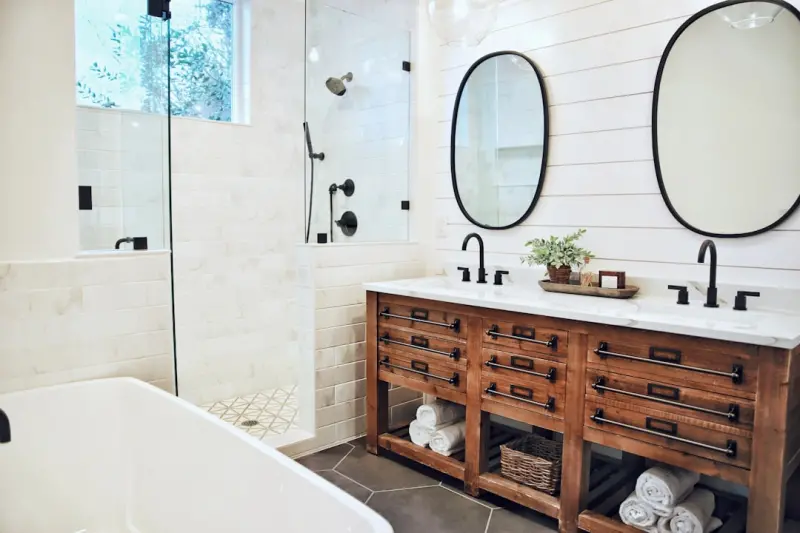
Transforming Your Bathroom Into a Spa‑Like Sanctuary
Learn to turn an ordinary bathroom into a spa‑inspired retreat using biophilic design, smart stora... Read More

Smart Bathrooms: Leveraging IoT and Data to Future‑Proof Your Renovation
Discover how to turn a standard bathroom remodel into a data‑driven, smart space that saves water,... Read More
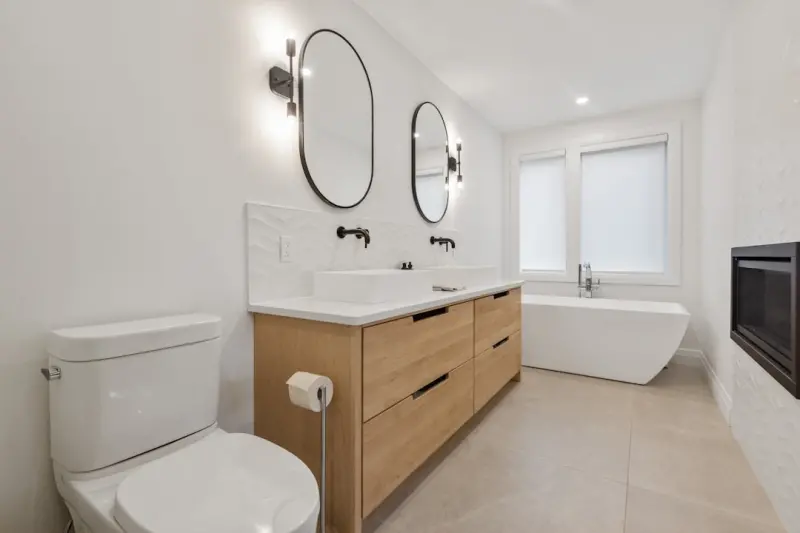
The Secret to a Wellness‑Focused Bathroom Renovation
Discover how to turn a standard bathroom into a wellness sanctuary using color psychology, sensory l... Read More
Top Posts

Designing for Neurodiversity: Architectural Strategies That Support Different Minds
A fresh look at architecture that honors neurodiversity, offering practical design tactics to make spaces comfortable, adaptable, and inclusive for every mind....Read More
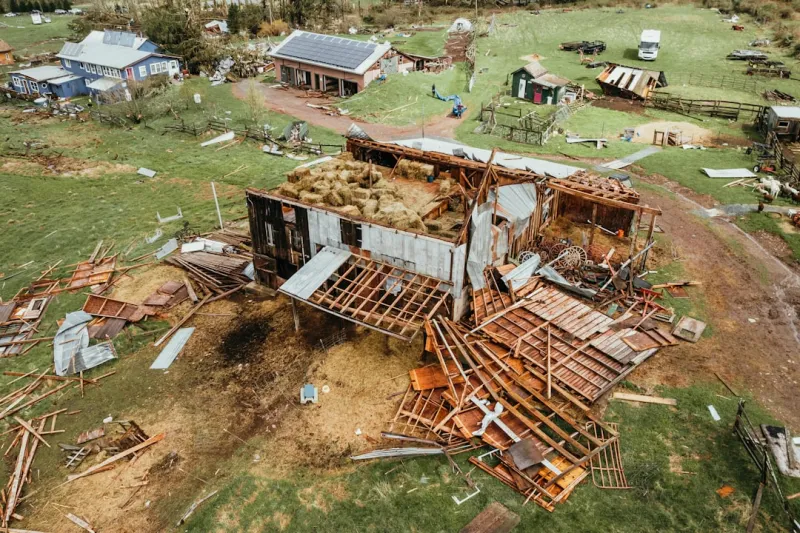
Weathering the Storm: How Sustainable Home Additions Can Save Your Home
Learn how sustainable home additions can help protect your home from severe weather while reducing your carbon footprint. Explore eco-friendly designs and mater...Read More
The Veteran’s Guide to Sustainable Mold Removal and Prevention
Discover how to detect, safely remove, and prevent mold using green methods and expert insights, ensuring a healthier, more sustainable home environment....Read More
Why a Fresh Bathtub Finish Is the Secret Weapon for Modern Homeowners
A fresh bathtub finish offers a cost‑effective, eco‑friendly upgrade that elevates bathroom aesthetics, boosts home resale value, and creates a canvas for m...Read More
0 Comments
Post Comment
You will need to Login or Register to comment on this post!