
When I first stepped onto a newly‑built commercial complex, the gleam of polished concrete and the hum of HVAC systems felt like a promise: a building that would run itself, quietly and efficiently, for years to come. Yet, the reality I encountered was a patchwork of emergency calls, missed service windows, and a never‑ending spreadsheet of “to‑do” items. That experience sparked a personal mission—to turn property maintenance from a reactive chore into a data‑driven, anticipatory discipline. In this post I’ll share the framework I’ve built, the technology that makes it possible, and the cultural shift required to embed predictive maintenance into the DNA of any property portfolio.
The Missing Link: From Reactive to Predictive
Most property managers still think of maintenance as “fix it when it breaks.” That mindset creates a cascade of hidden costs: downtime, tenant dissatisfaction, and inflated labor rates for after‑hours calls. The transition to a predictive model isn’t just about installing sensors; it’s about re‑architecting how we view assets, data, and decision‑making.
Two years ago I published a guide on turning reactive repairs into proactive peace. While that piece laid the philosophical groundwork, the next evolution demands a more granular, algorithmic approach. Predictive analytics can sift through terabytes of sensor data, spotting patterns that elude even the most seasoned facility engineer.
Key Pillars of a Predictive Maintenance Strategy
- Comprehensive Sensor Deployment: Not every component needs a sensor, but critical systems—HVAC compressors, chillers, pumps, and electrical panels—should be monitored for temperature, vibration, and power draw.
- Data Integration Platform: Raw data streams must converge into a unified repository. Cloud‑based time‑series databases make this feasible, offering scalability and easy API access for downstream analysis.
- Machine Learning Models: Supervised learning models can predict equipment failure based on historical failure events, while unsupervised anomaly detection flags out‑of‑norm behavior in real time.
- Actionable Insight Delivery: Insights are useless if they sit in a dashboard no one checks. Integration with work order systems and mobile alerts ensures the right technician gets the right job at the right time.
- Continuous Feedback Loop: Post‑maintenance data refines model accuracy, turning each repair into a learning opportunity.
Choosing the Right Sensors—A Pragmatic Guide
Sensor selection often feels like a tech‑gadget shopping spree, but a disciplined approach saves money and noise. Here’s a quick decision tree I use:
- What’s the failure mode? If wear‑and‑tear is the primary risk, vibration sensors are invaluable. For overheating, temperature probes are the go‑to.
- Is the asset isolated or networked? Stand‑alone units may need cellular gateways, while assets on the building’s LAN can piggy‑back on existing Ethernet or Wi‑Fi.
- Power constraints? Battery‑operated sensors last up to five years, but if the device is near a power source, consider a wired solution for continuous data flow.
In practice, I’ve seen a 30% reduction in unexpected HVAC failures simply by adding vibration sensors to the three most critical chillers on a campus.
Data Integration—From Silos to a Unified Lake
Most property portfolios are plagued by data silos: BMS (Building Management System) logs, manual inspection sheets, and third‑party vendor reports never speak to each other. To break these walls, I recommend a two‑step integration strategy:
- Ingest: Use an ETL (Extract‑Transform‑Load) pipeline to pull data from APIs, CSV exports, and MQTT topics into a cloud data lake.
- Normalize: Apply a common schema—timestamp, asset_id, metric_type, value—so that downstream analytics can treat everything uniformly.
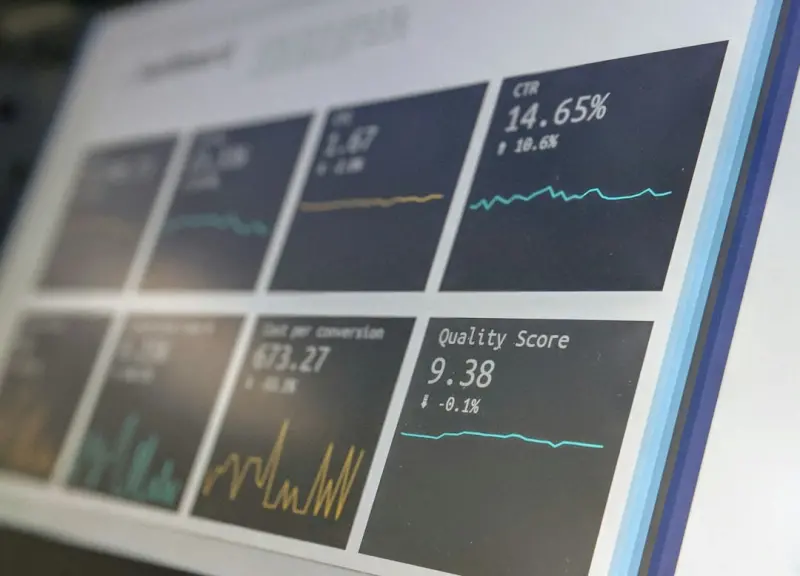
Once the data lives in a single source of truth, building a maintenance dashboard becomes a matter of visualization, not data wrangling.
Machine Learning in Action: A Real‑World Example
Let’s walk through a concrete scenario: a five‑story office tower with a centralized chiller plant.
- Data Collection: Over twelve months, we collect temperature, pressure, and vibration readings every five minutes.
- Labeling: Maintenance logs indicate three compressor failures. These events become the “failure” labels for supervised learning.
- Model Training: Using a gradient‑boosted decision tree, the model learns that a 2% rise in vibration combined with a 1.5°F temperature increase over a 48‑hour window predicts a failure with 87% confidence.
- Deployment: The model runs in the cloud, scoring live sensor data and triggering an alert when the threshold is crossed.
- Outcome: The next week, an alert prompts a technician to replace a worn bearing before the compressor seizes, averting a $25,000 emergency repair.
That single prediction saved not only the repair cost but also avoided tenant disruption—a benefit that’s hard to quantify but invaluable to property owners.
From Insight to Action: Closing the Loop
Predictive alerts are only half the battle. The other half is ensuring they translate into timely work orders. Here’s how I align the tech stack with field operations:
- Automated Work Order Creation: The analytics platform pushes a JSON payload to the CMMS (Computerized Maintenance Management System) API, creating a high‑priority task.
- Mobile Technician Notification: Technicians receive a push notification with the asset ID, location, and a brief diagnosis (“Potential bearing wear – inspect and replace if necessary”).
- Feedback Capture: After the job, the technician logs the actual condition. This data feeds back into the model, refining future predictions.
When the workflow is seamless, technicians feel empowered, and property managers see a measurable decline in emergency tickets.
Human Factors—Culture Over Technology
No amount of AI can compensate for a culture that resists change. Early adopters I’ve worked with faced three common obstacles:
- Trust Deficit: Teams doubted the algorithm’s recommendations. Solution: pilot the model on a single asset, showcase a win, and let the data speak.
- Skill Gaps: Field staff weren’t comfortable interpreting sensor dashboards. Solution: short, hands‑on training sessions focused on “what to look for” rather than the underlying math.
- Ownership Ambiguity: Who owns the sensor data? Who approves the work order? Solution: define clear RACI (Responsible, Accountable, Consulted, Informed) matrices before rollout.
By addressing these human elements early, the technology becomes a collaborative partner rather than a mysterious black box.
Cost-Benefit Snapshot
Investing in a predictive maintenance ecosystem does require upfront capital—sensors, cloud services, and data science talent. However, the ROI manifests quickly:
| Metric | Traditional Approach | Predictive Approach |
|---|---|---|
| Unplanned Downtime | 5‑7 incidents/year | 1‑2 incidents/year |
| Average Repair Cost | $12,000 | $7,000 |
| Tenant Satisfaction Score | 78% | 92% |
| Annual ROI | — | 150%+ |
Even a modest portfolio of ten buildings can see a payback period of 12‑18 months.
Scalability—From One Building to an Enterprise Portfolio
The beauty of a cloud‑first architecture is that adding a new property is as simple as onboarding its sensor inventory. I’ve overseen deployments that grew from a single pilot site to a 50‑building portfolio without a single rewrite of the underlying analytics pipeline.
Key scalability tactics include:
- Template‑Driven Sensor Configurations: Create JSON templates for common asset types (e.g., “Air‑Handler Unit”) that auto‑populate sensor mappings.
- Modular Micro‑services: Separate ingestion, modeling, and alerting into distinct services, each horizontally scalable.
- Multi‑Tenant Data Segregation: Use logical partitions in the data lake to keep each property’s data isolated, satisfying compliance and privacy requirements.
Future Outlook—Beyond Predictive to Prescriptive
Predictive analytics tells you “what might happen.” The next frontier—prescriptive analytics—will recommend “what to do about it.” Imagine a system that not only flags a bearing wear issue but also suggests ordering a replacement part from the nearest approved vendor, schedules the technician based on skill set, and automatically updates the lease service level agreement.
Integrating prescriptive capabilities will require deeper collaboration with ERP systems, dynamic pricing APIs, and perhaps most excitingly, reinforcement learning models that continuously improve recommendations based on outcomes.
Getting Started—A 90‑Day Playbook
If you’re ready to dip your toes into predictive maintenance, here’s a concise 90‑day roadmap:
- Week 1‑2: Stakeholder Alignment—Secure executive sponsorship and define success metrics (e.g., 20% reduction in emergency repairs).
- Week 3‑4: Pilot Asset Selection—Choose a high‑impact asset (e.g., main chiller) and install a minimal sensor suite.
- Week 5‑8: Data Collection & Baseline—Gather at least 30 days of data, establishing normal operating ranges.
- Week 9‑12: Model Development—Collaborate with a data scientist to build a simple anomaly detection model; integrate with your CMMS for alerting.
- Week 13‑14: Review & Iterate—Analyze the pilot’s performance, tweak thresholds, and expand sensor coverage to additional assets.
- Week 15‑18: Scale Out—Roll the solution to the next three critical systems, refining governance and documentation.
By the end of three months, you’ll have a functional predictive loop that delivers tangible cost savings and a clear pathway to enterprise‑wide adoption.
Conclusion—The Quiet Revolution Is Here
Property maintenance has always been a behind‑the‑scenes operation, but it no longer needs to be a reactive fire‑fighting department. By marrying robust sensor networks with machine learning and a culture that values data‑driven decisions, we can transform buildings into self‑aware entities that tell us when they need attention—before the problem becomes visible to tenants.
The journey isn’t without challenges—budget constraints, data silos, and the human factor can all stall progress. Yet, the payoff—lower costs, happier occupants, and a future‑ready asset portfolio—is well worth the effort.
If you’re curious about the first steps, revisit the playbook for proactive peace and explore how a maintenance dashboard can become your command center for the next generation of property stewardship.

David MacKinnon is a dynamic freelance writer known for his captivating storytelling and keen insights into the world of technology. With a passion for exploring the intersection of innovation and everyday life, he crafts engaging narratives that not only inform but also inspire his readers.
Related Posts
Predictive Maintenance: Turning Smart Sensors into a Home’s Early Warning System
Learn how simple smart sensors provide early warnings, prevent costly repairs, and transform everyda... Read More

Predictive Property Maintenance: AI‑Driven Strategies for Proactive Care
Predictive maintenance uses real‑time sensor data and AI to spot building issues before they becom... Read More
Predictive Maintenance: Turning Data Into Your Property’s Superpower
Predictive maintenance uses IoT sensors and AI to anticipate failures before they happen, reducing e... Read More
Top Posts
Embracing Sustainable Practices in Home Renovations
Sustainable home renovations can help reduce your carbon footprint, create a healthier living space, and increase your property value. Learn how to make your ne...Read More

Eco‑Friendly Painting: A Homeowner’s Guide to Sustainable Color
Learn the secrets to eco‑friendly painting: low‑VOC choices, waste‑reducing application tips, and smart finishes that protect your family’s health and t...Read More

The Future of Plastering: Embracing Sustainable Practices
The plastering industry is evolving, and sustainable practices are leading the way. Learn about the benefits of eco-friendly materials, innovative techniques, a...Read More

The Importance of General Contracting in Home Restoration
General contracting plays a vital role in home restoration, encompassing a wide range of services that help homeowners achieve their renovation goals. Learn mor...Read More
0 Comments
Post Comment
You will need to Login or Register to comment on this post!