

Why Predictive Maintenance Matters
When I first installed a tiny humidity sensor in my attic, I never imagined it would become the linchpin of my entire home‑care routine; that little device started pinging me before a minor roof leak could turn into a weekend‑long disaster, and the relief was immediate. Predictive maintenance flips the script on traditional “fix‑it‑when‑it‑breaks” thinking by giving homeowners a heads‑up, allowing us to intervene before the problem escalates into costly repairs or insurance claims. In a market where property values hinge on condition, leveraging data to stay one step ahead isn’t just clever—it’s essential for protecting equity and peace of mind.
Data‑Driven Savings
The numbers speak for themselves: families that adopt sensor‑based alerts report up to 30% reductions in emergency service calls, translating into thousands of dollars saved over a typical five‑year ownership span. By monitoring trends—like a gradual rise in basement moisture or an abnormal vibration pattern in the HVAC compressor—we can schedule targeted interventions that are both timely and financially efficient. This approach mirrors the insight you’ll find in Proactive Home Care Playbook, yet it adds a layer of real‑time intelligence that manual checklists simply can’t match.
Choosing the Right Sensors
Not every sensor is created equal, and the key to a successful system lies in matching technology to the specific vulnerabilities of your property. For moisture‑prone areas, a calibrated hygrometer with a low‑battery alert is indispensable; for structural health, a low‑frequency accelerometer can detect the subtle tremors of a loosening shingle before a storm does. Temperature probes placed near water heaters and refrigerators can flag inefficiencies that inflate utility bills, while magnetic door sensors on windows keep you informed of seal integrity during the cold months. Selecting devices that integrate seamlessly with your existing smart hub ensures you avoid the fragmentation that plagues many DIY setups.
Building a Home Hub
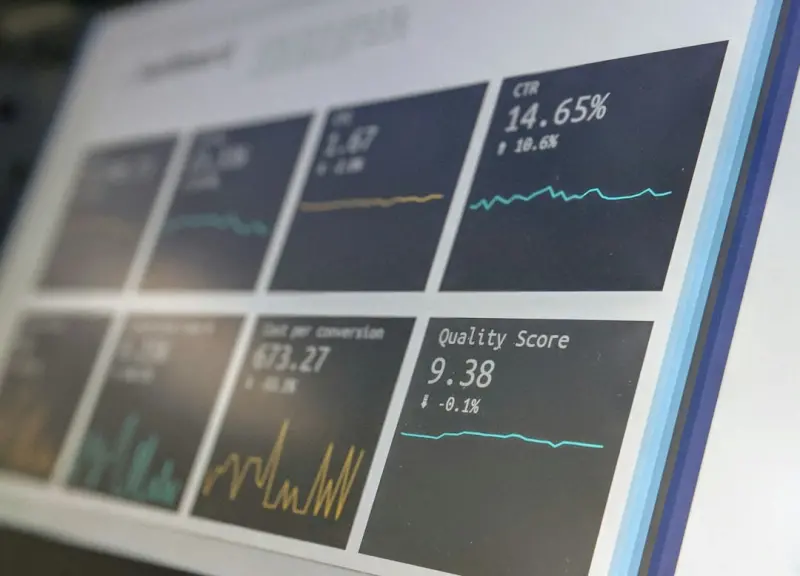
Centralizing data is the next logical step, and today’s smart home platforms—whether you favor Apple HomeKit, Google Home, or a dedicated hub like Hubitat—offer robust APIs that ingest sensor streams and trigger automated actions. I configured my hub to send a concise push notification to my phone the moment my sump pump’s flow sensor detected a dip in performance, prompting an immediate inspection before water could accumulate. By pairing alerts with conditional automations—such as turning on a dehumidifier when humidity exceeds 60%—you transform raw numbers into proactive remedies. For those craving deeper analytics, services like Micro‑Inspection Insights provide visual dashboards that highlight patterns you might otherwise miss.
Case Study: Sump Pump Savior
Last spring, a sudden thunderstorm flooded my neighbor’s basement despite their best efforts, yet my own home remained dry thanks to a simple ultrasonic flow sensor installed on the sump pump inlet. The device flagged a 20% drop in flow rate hours before the pump’s motor began to whine, prompting me to clear a clogged inlet screen that could have otherwise led to a costly water intrusion. The cost of that sensor was dwarfed by the potential expense of water damage, mold remediation, and temporary relocation. This real‑world win reinforced my belief that a modest upfront investment yields exponential returns in durability and confidence.
Storm‑Ready Roof Monitoring
Beyond water intrusion, roof integrity is another frequent source of surprise repairs, especially in regions prone to high winds. By installing a lightweight vibration sensor on a strategic roof ridge, I now receive an audible alert whenever wind‑induced tremors exceed a calibrated threshold, signaling that a shingle may be loosening. The data logged over several months revealed that certain storm patterns caused repeated micro‑shifts, allowing me to replace the vulnerable section before a full‑scale breach occurred. This preemptive step saved me from the frantic scramble of emergency roofing contractors and preserved the aesthetic continuity of my home’s exterior.
Appliance Longevity via Sensors
Even the most reliable appliances benefit from a touch of foresight. A magnetic door sensor on my refrigerator alerts me when the seal begins to lose its suction, a subtle sign that the gasket is wearing thin and could soon lead to energy waste or food spoilage. Similarly, a pressure sensor on my HVAC system’s return duct notifies me of airflow restrictions before the filter becomes a choking hazard, prompting timely replacements that maintain efficiency and indoor air quality. By integrating these modest sensors into the broader hub, each alert becomes part of a unified maintenance calendar, streamlining tasks that would otherwise be scattered across sticky notes and spreadsheet rows.
Your First Steps Toward a Smarter Home
If the idea of a sensor‑filled residence feels overwhelming, start small: choose one high‑risk area—like the basement sump pump or attic humidity—and install a single, reliable sensor with clear alert settings. Observe the data for a few weeks, adjust thresholds as needed, and then expand to other vulnerable zones, such as the roof or major appliances. Remember, the goal isn’t to create a tech‑obsessed fortress but to embed a subtle layer of intelligence that empowers you to act before damage occurs. Embrace the habit of reviewing weekly summaries, and soon you’ll notice a tangible drop in surprise repairs, lower utility bills, and a deeper sense of control over your property’s health.

William Roy is a freelance writer originally from Montreal who moved to Ottawa with his wife of 50 years to be closer to their grandkids. Alongside his writing, William has a passion for fishing.
Related Posts
Harnessing Predictive Analytics to Transform Property Maintenance
A deep dive into building a data‑driven, predictive maintenance ecosystem—covering sensor strate... Read More

Predictive Property Maintenance: AI‑Driven Strategies for Proactive Care
Predictive maintenance uses real‑time sensor data and AI to spot building issues before they becom... Read More

Why HVAC Maintenance Is the Secret Weapon for Home Comfort and Savings
Learn why proactive HVAC maintenance is essential for comfort, health, and cost savings, and get a s... Read More
Top Posts

Breathing New Life into Your Home: Sustainable DIY Repair Tips
Learn how to approach DIY home repairs with an eco-friendly mindset and discover sustainable tips and tricks for a greener tomorrow....Read More

From Blueprint to Finish Line: How Contractors Can Streamline Project Timelines
Discover a contractor’s insider tactics for mastering project schedules, cutting downtime, and delivering builds on time, every time....Read More

Smart Lighting Hacks to Transform Your Home Without Breaking the Bank
Unlock the power of light with practical, budget‑friendly tips that enhance comfort, cut energy costs, and make every corner of your home feel inviting....Read More

Why Your Home Alarm System Deserves a Sustainable Upgrade
Explore the shift to sustainable home alarm systems, from low‑power panels and solar batteries to AI‑driven sensors, and learn practical steps for greener s...Read More
0 Comments
Post Comment
You will need to Login or Register to comment on this post!