
Why Predictive Maintenance Is the Secret Weapon for Modern Property Managers
When I first started juggling the day‑to‑day grind of property upkeep, my checklist looked a lot like a grocery list: replace a leaky faucet, touch up paint, schedule a carpet cleaning, and pray the HVAC doesn’t quit in the middle of summer. Fast forward a few years, and the same routine feels like trying to navigate a maze blindfolded. The stakes are higher, tenant expectations have shifted, and the tools at our disposal have evolved dramatically. That’s why I’m betting on predictive maintenance as the next frontier for property maintenance—and why I think every savvy manager should start treating data like the most valuable tenant.
The Gap Between Reactive and Predictive
Most property managers have spent a career operating in what I call “react‑and‑repair” mode. A burst pipe? Call a plumber. A HVAC unit humming louder than usual? Schedule a service call. This approach works, but it’s costly, disruptive, and often leaves you scrambling to keep tenants happy. The real cost, however, isn’t just the immediate repair bill—it’s the hidden erosion of tenant trust, the downtime that hurts productivity, and the long‑term depreciation of assets that could have been avoided.
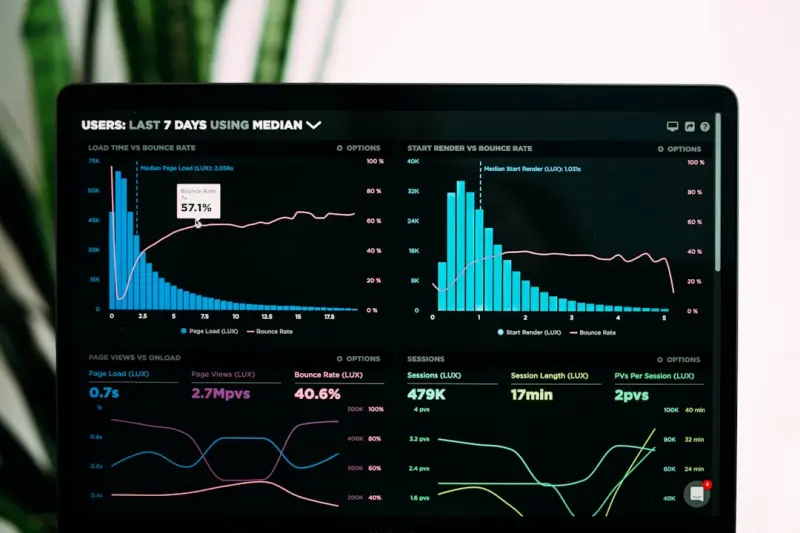
Predictive maintenance flips the script. Instead of waiting for a failure to manifest, you anticipate it. Sensors, data analytics, and AI algorithms work together to flag a potential issue days or even weeks before it becomes a headline on your work order board. The result? Fewer emergencies, lower life‑cycle costs, and a maintenance schedule that feels more like a strategic roadmap than a frantic scramble.
How Predictive Maintenance Works: A Quick Walkthrough
- Data Collection: IoT sensors embedded in HVAC units, water meters, lighting fixtures, and even structural elements continuously capture temperature, vibration, pressure, and humidity data.
- Baseline Modeling: Historical performance data establishes a “normal” operating envelope for each asset.
- Pattern Recognition: Machine‑learning models compare real‑time readings against the baseline, detecting anomalies that precede failures.
- Actionable Alerts: When a deviation crosses a predefined threshold, the system pushes a notification to the facilities team, complete with recommended actions and confidence scores.
- Closed‑Loop Feedback: After the maintenance task is completed, outcomes are fed back into the model, sharpening its predictive accuracy over time.
Real‑World Benefits You Can Measure
It’s one thing to talk about “smart” maintenance; it’s another to see the numbers. Here are the most compelling metrics that property managers have reported after implementing predictive programs:
- 30‑40% reduction in emergency service calls. By nipping issues in the bud, you avoid the premium rates associated with after‑hours labor.
- 20‑25% longer asset lifespan. Early interventions keep components operating within optimal parameters, slowing wear and tear.
- 15% decrease in total operating expenses. Fewer emergencies translate into lower labor, parts, and overtime costs.
- Higher tenant satisfaction scores. Predictable, low‑disruption maintenance improves the overall living or working experience.
Choosing the Right Technology Stack
Not every sensor is created equal, and not every software platform will mesh with your existing workflows. Here’s a quick checklist I use when vetting a predictive maintenance solution:
- Scalability: Can the platform handle hundreds of assets across multiple sites?
- Integration: Does it plug into your existing CMMS (Computerized Maintenance Management System) or property management software?
- Data Security: Look for end‑to‑end encryption and compliance with industry standards like ISO 27001.
- Ease of Use: Your maintenance crew shouldn’t need a PhD in data science to interpret alerts.
- Support & Training: A vendor that offers on‑site training and 24/7 support makes the transition smoother.
Building a Culture That Embraces Data
Technology is only as good as the people using it. To get the most out of predictive maintenance, you need to foster a culture that values data‑driven decisions. Here are a few steps that have worked for me:
- Regular Workshops: Host monthly “data‑day” sessions where the team reviews recent alerts, discusses outcomes, and brainstorms improvements.
- Gamify Performance: Reward crews for completing preventive tasks ahead of schedule or for reducing false‑positive alerts.
- Transparent KPIs: Share metrics like mean‑time‑to‑repair (MTTR) and cost‑avoidance figures in team dashboards.
- Tenant Communication: Let tenants know you’re using smart technology to keep their environment comfortable and safe. Transparency builds trust.
Case Study: Turning a Leaky Roof into a Predictive Success Story
One of my older multifamily properties had a notorious roof that seemed to develop leaks every spring. The traditional approach was to replace sections after each incident—a costly and disruptive cycle. After installing moisture sensors and integrating them with our CMMS, the system began flagging humidity spikes in specific zones weeks before any water made it inside.
We scheduled targeted repairs during the off‑season, replacing just the compromised membrane sections. The result? No leaks during the next rainy season, a 35% reduction in roof‑related work orders, and a $12,000 savings on emergency repairs. This single success story convinced our board to roll out predictive sensors to all common‑area HVAC units and water lines across the portfolio.
Don’t Forget the Basics: Linking Predictive Maintenance with Traditional Practices
Predictive maintenance isn’t a silver bullet that lets you abandon all existing protocols. It works best when layered on top of solid fundamentals. For example, while predictive alerts can tell you when a duct is likely to fail, regular duct cleaning still matters for indoor air quality and system efficiency. Likewise, proactive carpet stewardship—like green carpet cleaning—helps maintain the aesthetic appeal that keeps tenants happy while the sensors watch for wear patterns.
The key is synergy: let data inform when you do the traditional tasks, and use those tasks to feed richer data back into the system.
Overcoming Common Roadblocks
Implementing predictive maintenance can feel daunting. Below are the hurdles I’ve encountered and how to sidestep them:
| Challenge | Solution |
|---|---|
| Initial Capital Outlay | Start with a pilot on high‑impact assets (e.g., main HVAC units) to prove ROI before scaling. |
| Data Overload | Focus on actionable alerts. Use dashboards that prioritize based on severity and cost impact. |
| Resistance from Maintenance Staff | Involve the crew early in the selection process and emphasize how the technology reduces their emergency workload. |
| Integration Pain Points | Choose platforms with open APIs and work with vendors that offer migration support. |
| Privacy Concerns | Ensure sensors collect only operational data, not personal tenant information, and communicate this clearly. |
Future Trends: From Predictive to Prescriptive
We’re already seeing the next wave: prescriptive maintenance. While predictive tells you “what might go wrong,” prescriptive goes a step further and recommends the exact corrective action—down to the part number, labor estimate, and optimal scheduling window. Imagine receiving an alert that says, “Replace filter #F‑212 in AHU‑03 within the next 48 hours; order part now; assign technician Jane Doe; expect 1.5 hours of labor.” That level of detail can shave days off your response time and virtually eliminate guesswork.
Getting Started: A 5‑Step Action Plan
- Audit Your Asset Portfolio: Identify critical systems that impact tenant comfort and operational cost.
- Select a Pilot Asset: Choose a high‑value system with a history of issues.
- Deploy Sensors & Integrate: Install IoT devices and connect them to your maintenance platform.
- Train Your Team: Run hands‑on workshops to interpret alerts and execute recommended actions.
- Measure & Iterate: Track KPIs for at least six months, adjust thresholds, and expand to other assets.
Conclusion: The Competitive Edge of Data‑Driven Care
Property maintenance has always been about keeping the lights on and the leaks out. Today, it’s about staying ahead of the curve with data that tells you exactly when and where to act. Predictive maintenance isn’t just a tech buzzword; it’s a strategic lever that can improve the bottom line, boost tenant loyalty, and future‑proof your portfolio.
If you’re still on the fence, remember this: every emergency call you avoid is a chance to reinvest those dollars into higher‑value improvements—like energy‑efficient retrofits, enhanced security, or community amenities that differentiate your property in a crowded market. Embrace the data, empower your team, and watch your properties become the benchmark for reliability and tenant satisfaction.

Tom Ferguson is a Canadian freelance writer with a passion for storytelling, current events, and thoughtful commentary. Drawing on years of writing experience, he shares engaging insights on a wide range of topics, bringing a uniquely Canadian perspective to his work.
Related Posts

Predictive Property Maintenance: AI‑Driven Strategies for Proactive Care
Predictive maintenance uses real‑time sensor data and AI to spot building issues before they becom... Read More

From Reactive to Revenue: Reimagining Property Maintenance
This post shows how property managers can shift from reactive repairs to a strategic, data‑driven ... Read More

Predictive Maintenance: Turning Smart Sensors into a Home’s Early Warning System
Learn how simple smart sensors provide early warnings, prevent costly repairs, and transform everyda... Read More
Top Posts
Reviving Old Walls: Modern Waterproofing Tactics for Historic Homes
Learn how breathable membranes, nanotech coatings, and smart maintenance keep historic homes dry, healthy, and beautiful—while honoring their original charact...Read More

The Future of Design Build: How Sustainable Practices Are Revolutionizing the Industry
The design build industry is evolving rapidly, with sustainable practices at the forefront. Learn how sustainable materials, energy efficiency, and eco-friendly...Read More

Transforming Basements into High‑Performance, Future‑Ready Spaces
A data‑driven, modular approach to basement renovations can convert a dark, damp area into a high‑performance hub for work, wellness, and entertainment whil...Read More

Beyond the Vacuum: Pro Secrets to Revive Any Carpet
I share the insider methods I’ve honed over years, from green solutions to high‑tech tools, that make carpet cleaning faster, safer, and surprisingly simple...Read More
0 Comments
Post Comment
You will need to Login or Register to comment on this post!