
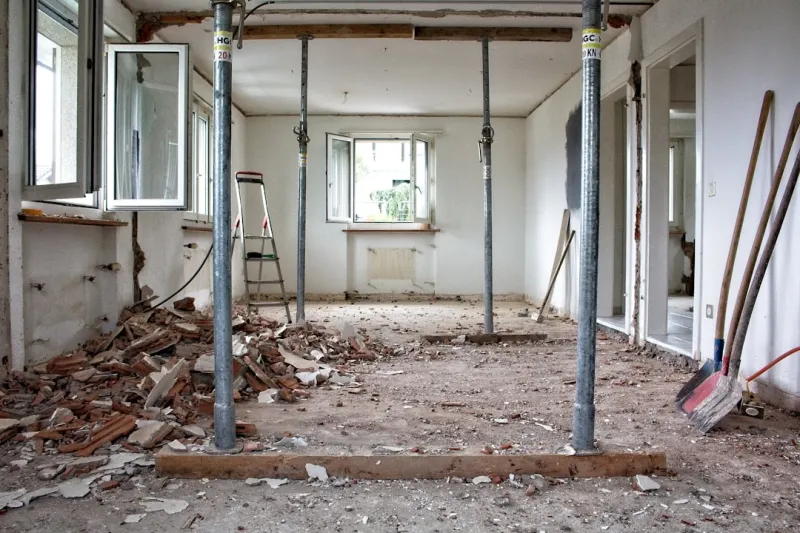
Embracing Sustainable Practices in Home Renovations
As a homeowner, renovating your home can be an exciting but daunting task. With the growing awareness of environmental issues, many of us are looking for ways to make our homes more sustainable. Sustainable home renovations not only help reduce our carbon footprint but also create a healthier living space and increase the value of our properties. In this article, we will explore the importance of sustainable practices in home renovations and provide you with practical tips on how to make your next renovation project more eco-friendly.
The Benefits of Sustainable Home Renovations
Sustainable home renovations offer numerous benefits, including reduced energy consumption, lower utility bills, and a healthier indoor environment. By incorporating sustainable materials and practices into your renovation project, you can significantly reduce your home's environmental impact. Additionally, sustainable home renovations can increase the value of your property, making it more attractive to potential buyers if you decide to sell in the future. A sustainable approach to renovations can also help you stay ahead of the curve and make your home more resilient to future environmental challenges.
Choosing Sustainable Materials
One of the most critical aspects of sustainable home renovations is choosing the right materials. Traditional building materials can have a significant environmental impact, from deforestation to pollution. However, there are many sustainable alternatives available that can help reduce your home's carbon footprint. Consider using reclaimed or recycled materials, such as reclaimed wood or recycled glass, for your renovation project. These materials not only reduce waste but also add a unique touch to your home. Other sustainable materials to consider include bamboo, low-VOC paints, and sustainably sourced hardwood.
The Importance of Energy Efficiency
Energy efficiency is a crucial aspect of sustainable home renovations. By incorporating energy-efficient solutions into your renovation project, you can significantly reduce your home's energy consumption and lower your utility bills. Consider upgrading to energy-efficient windows, installing solar panels, or using energy-efficient appliances. Sustainable HVAC systems can also play a significant role in reducing your home's energy consumption and carbon footprint.
Sustainable Bathroom Renovations
Bathroom renovations are a great opportunity to incorporate sustainable practices into your home. Consider using low-flow showerheads and toilets, which can significantly reduce your water consumption. You can also consider installing a greywater system, which collects and treats wastewater from sinks, showers, and washing machines, allowing you to reuse it for irrigation and flushing toilets. Sustainable bathroom renovations can not only reduce your water consumption but also create a healthier and more relaxing space.
The Role of Insulation in Sustainable Home Design
Insulation plays a critical role in sustainable home design, helping to reduce heat loss and energy consumption. Proper insulation can also help create a healthier indoor environment by reducing moisture and preventing mold growth. Consider using eco-friendly insulation materials, such as recycled denim or wool, which offer excellent thermal performance and are sustainably sourced. The importance of insulation cannot be overstated, and incorporating sustainable insulation materials into your renovation project can have a significant impact on your home's energy efficiency and indoor air quality.
Embracing Sustainable Electrical Solutions
Sustainable electrical solutions can play a significant role in reducing your home's energy consumption and carbon footprint. Consider upgrading to energy-efficient lighting solutions, such as LED bulbs, which use significantly less energy than traditional incandescent bulbs. You can also consider installing smart home systems, which can help you monitor and control your energy consumption more effectively. Embracing sustainable electrical solutions can help you create a more sustainable and energy-efficient home.
Creating Eco-Friendly Outdoor Spaces
Outdoor spaces are an essential part of our homes, providing a connection to nature and a place to relax and entertain. However, traditional outdoor spaces can have a significant environmental impact, from water consumption to chemical use. Consider creating eco-friendly outdoor spaces by using sustainable materials, such as reclaimed wood or recycled plastic, for your deck or patio. You can also consider installing rain barrels or greywater systems to reduce your water consumption. Sustainable outdoor spaces can not only reduce your environmental impact but also create a healthier and more enjoyable space for you and your family.
Conclusion
Sustainable home renovations offer numerous benefits, from reduced energy consumption to increased property value. By incorporating sustainable materials and practices into your renovation project, you can create a healthier and more eco-friendly home. Remember to choose sustainable materials, prioritize energy efficiency, and consider embracing sustainable electrical solutions. With a little creativity and planning, you can create a sustainable and eco-friendly home that benefits both you and the environment.

Craig Brett is a freelancer with a passion for the outdoors. His love for nature inspires his work, bringing authentic and engaging perspectives to projects related to outdoor activities, adventure, and environmental topics.
Related Posts

Quiet Comfort: Simple Acoustic Upgrades Every Homeowner Can DIY
Learn how to transform noisy rooms into peaceful havens with low‑cost, hands‑on acoustic upgrade... Read More

Zone‑Crafting at Home: Light, Sound, and Layout Hacks for a More Functional Space
Learn how to transform everyday rooms into purposeful zones with simple lighting, sound, and furnitu... Read More
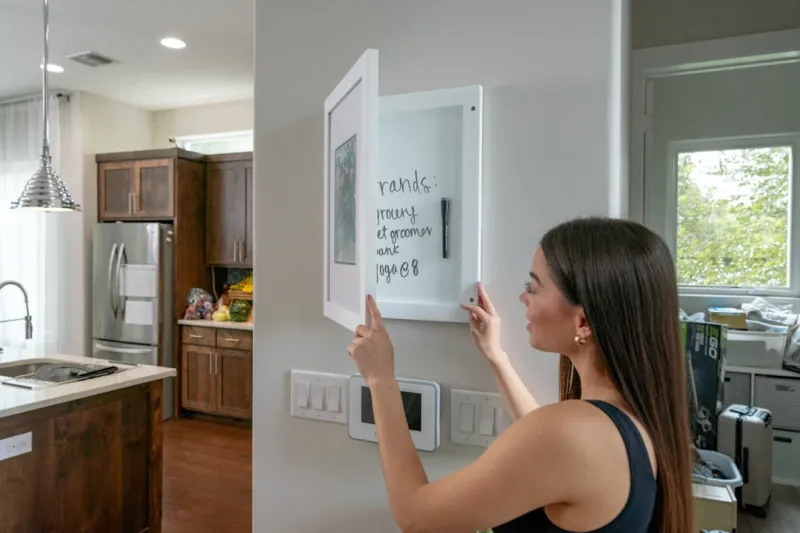
Smart Home Hacks: Simple Tips for a Greener Household
Explore easy, smart upgrades—from lighting and insulation to sustainable decks—that transform an... Read More
Top Posts
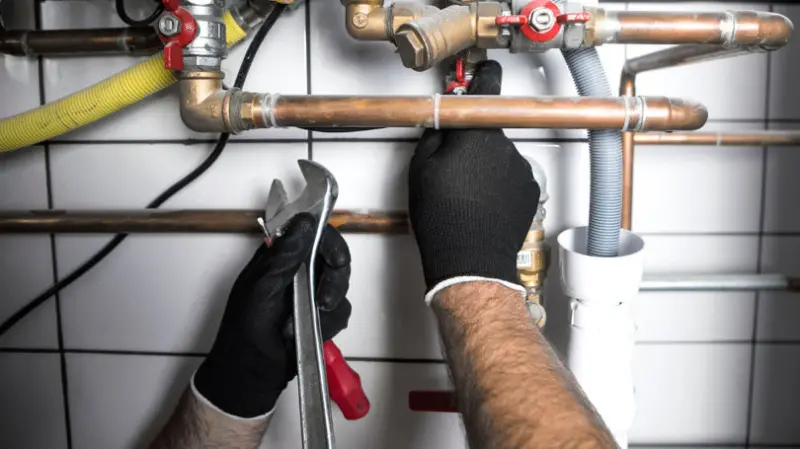
DIY Home Repairs: A Year‑Long Preventive Maintenance Blueprint
Learn how to create a practical, year‑long preventive maintenance schedule that saves money, avoids emergencies, and empowers you to handle home repairs with ...Read More
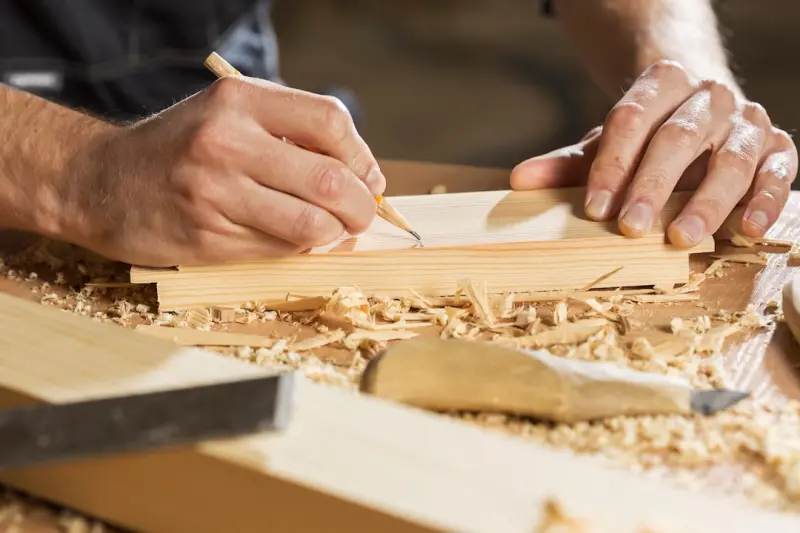
The Art of Sensory Woodworking: Crafting Spaces That Feel as Good as They Look
Discover a fresh approach to woodworking that goes beyond visual appeal—learn to design pieces that engage all five senses, turning everyday objects into imme...Read More
The Home Inspector’s Hidden Checklist: Spotting Issues Before They Cost You
Learn how to uncover hidden home inspection pitfalls, from moisture intrusion to electrical safety, and turn findings into a clear, actionable repair plan....Read More

Smart Awnings: Harnessing Technology for Year‑Round Outdoor Comfort
Explore the evolution of awnings—from manual shades to IoT‑enabled canopies—offering year‑round comfort, energy savings, and stylish outdoor integration...Read More
0 Comments
Post Comment
You will need to Login or Register to comment on this post!