
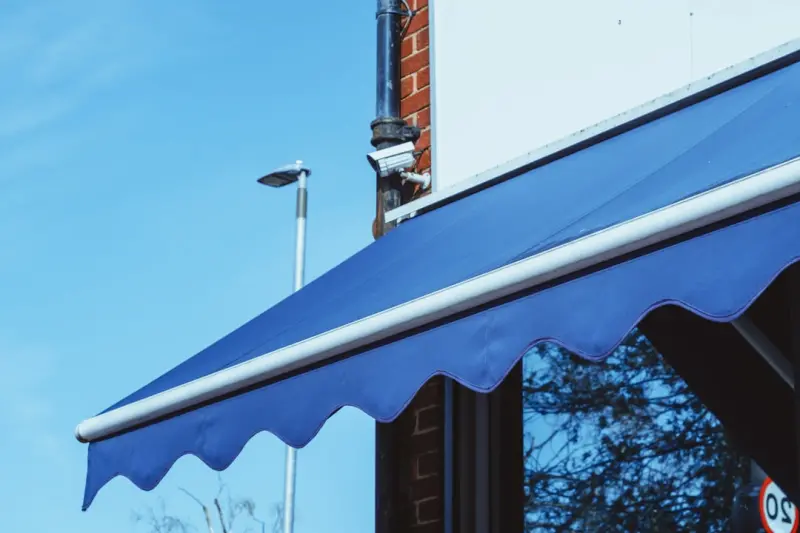
When you step onto a bustling street and pause beneath a sleek, extending canopy, the experience is almost subconscious. The shade cools you, the color catches your eye, and the subtle branding whispers a story about the business inside. Awnings are more than just functional fabric; they are a silent salesperson, a climate moderator, and a brand canvas rolled into one.
The Unseen Psychology of Shade
Human beings are hardwired to seek comfort. Evolutionarily, we gravitate toward environments that protect us from harsh weather. Modern shoppers are no different—when a storefront offers a welcoming shade, it reduces perceived temperature, lowers stress, and extends the time a potential customer spends in the vicinity.
Studies in environmental psychology reveal a direct correlation between perceived comfort and purchase intent. A cool, shaded entrance reduces the mental load of battling the sun, allowing the brain to focus on visual merchandising and product appeal. In contrast, a glaring storefront can trigger a subconscious avoidance response, even if the interior offers a perfect product.
From Fabric to Data: Measuring Awning ROI
While many still view awnings as an aesthetic afterthought, savvy businesses are beginning to quantify their impact. By tracking foot traffic before and after awning installation, and pairing that data with sales figures, owners can calculate a clear return on investment (ROI). For those who think this is a niche concern, consider the broader lesson from interactive workspaces—the most valuable assets often hide in plain sight, waiting to be leveraged.
- Footfall spikes: Shaded walkways attract pedestrians who might otherwise duck into a nearby coffee shop for a quick respite.
- Extended dwell time: Customers linger longer under a comfortable awning, increasing exposure to signage and window displays.
- Energy savings: By shading windows and walls, awnings cut cooling loads, translating into lower utility bills—an often‑overlooked financial benefit.
Design as Brand Narrative
Every line, color, and texture tells a story. A bold, geometric pattern can convey modernity, while a classic striped fabric may evoke nostalgia. The awning becomes a mobile billboard, visible from street level and often photographed on social media, amplifying brand reach without extra ad spend.
Strategic design involves:
- Color psychology: Warm hues like orange and red stimulate appetite, perfect for restaurants, whereas cool blues convey trust, ideal for professional services.
- Material choice: Vinyl offers durability and vibrant prints; canvas lends a handcrafted feel, aligning with artisanal brands.
- Integration with architecture: Seamless connection between the awning and the building façade reinforces a cohesive visual identity.
Seasonal Flexibility: A Dynamic Marketing Tool
Unlike static signage, awnings can be swapped seasonally, allowing businesses to stay fresh and relevant. A coffee shop might adopt a pumpkin‑spice‑themed awning for autumn, then switch to a bright, tropical print for summer. This adaptability not only keeps the storefront exciting but also signals responsiveness to consumer moods—a subtle yet powerful competitive edge.
Durability Meets Sustainability
Modern awning manufacturers are balancing durability with eco‑conscious materials. Recycled aluminum frames paired with water‑based inks reduce environmental impact while maintaining structural integrity. Though sustainability is a hot topic across many of our recent posts, the awning sector presents a unique intersection of longevity and responsible sourcing that often flies under the radar.
Smart Integration Without Over‑Complicating
While some might jump straight to high‑tech solutions, there’s value in a measured approach. Simple motorized retractors can be controlled via a smartphone app, allowing owners to adjust shade based on weather forecasts. This low‑level automation offers convenience without the cost and complexity of full IoT ecosystems.
Maintenance Made Simple
Regular upkeep ensures the awning remains an asset rather than a liability. A quick routine includes:
- Cleaning the fabric: Use a mild detergent and soft brush to remove dust and pollen.
- Inspecting hardware: Check hinges, springs, and motor mechanisms for wear.
- Lubricating moving parts: A silicone spray keeps retraction smooth.
These steps echo the principles outlined in quiet comfort—small, consistent actions that preserve the overall health of a property.
Case Study: Boutique Retailer Turns Shade into Sales
A boutique clothing store on a busy downtown corridor installed a custom‑printed awning featuring its signature floral motif. Within three months, the store reported:
- 27% increase in foot traffic during peak sun hours.
- 15% rise in average transaction value, attributed to longer dwell times.
- 10% reduction in HVAC energy consumption thanks to the shading effect.
These numbers illustrate how a thoughtfully designed awning can be a multi‑dimensional asset—boosting brand perception, driving sales, and cutting operational costs.
Future Trends: Adaptive Fabrics and Integrated Lighting
Looking ahead, the industry is experimenting with fabrics that change opacity in response to sunlight, providing optimal shade without manual intervention. Additionally, integrating LED lighting strips along the awning’s perimeter creates an eye‑catching glow after dark, extending the storefront’s visual appeal into evening hours.
Getting Started: A Practical Checklist
For businesses ready to explore awning opportunities, follow this roadmap:
- Assess location needs: Determine sun exposure patterns, wind loads, and local zoning regulations.
- Define brand goals: Align awning design with overall visual identity and marketing objectives.
- Choose materials wisely: Prioritize durability, UV resistance, and eco‑friendly options.
- Plan for flexibility: Consider motorization and interchangeable graphics for seasonal updates.
- Set a maintenance schedule: Establish regular cleaning and inspection routines.
- Measure performance: Track foot traffic, sales data, and energy usage to quantify impact.
By treating the awning as a strategic asset rather than an afterthought, businesses can unlock a subtle yet powerful lever for growth, comfort, and brand differentiation.

Paul Gray is a dynamic blogger based in Brampton, where he shares his life with his amazing wife, Sarah. Known for his engaging writing style and relatable insights, Paul has carved out a niche in the blogging world that resonates with readers from all walks of life. When he's not crafting captivating posts, you can find him savoring a cold beer or indulging in the latest blockbuster movie. With a friendly demeanor and a passion for storytelling, Paul brings a unique perspective to his work, making him not just a blogger, but a voice for those who appreciate the simple joys of life.
Related Posts
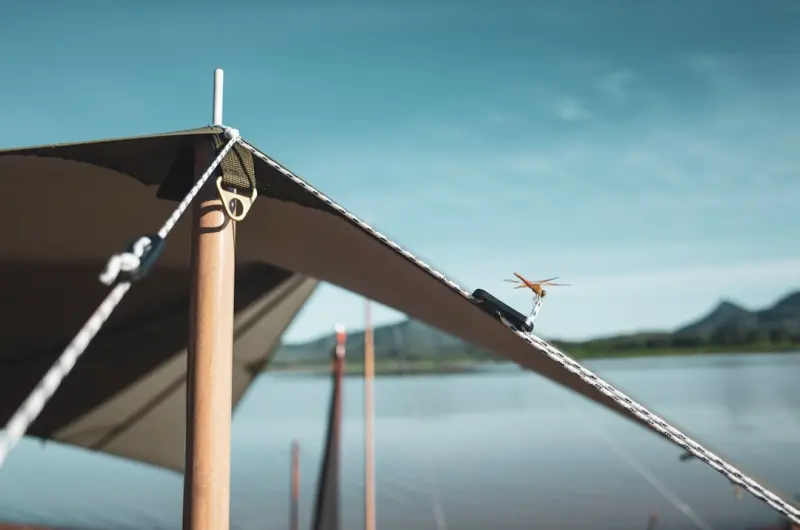
Awning Innovation: Turning Shade into Strategy for Modern Businesses
A modern awning does more than block the sun; it becomes a branding tool, energy saver, and data sou... Read More
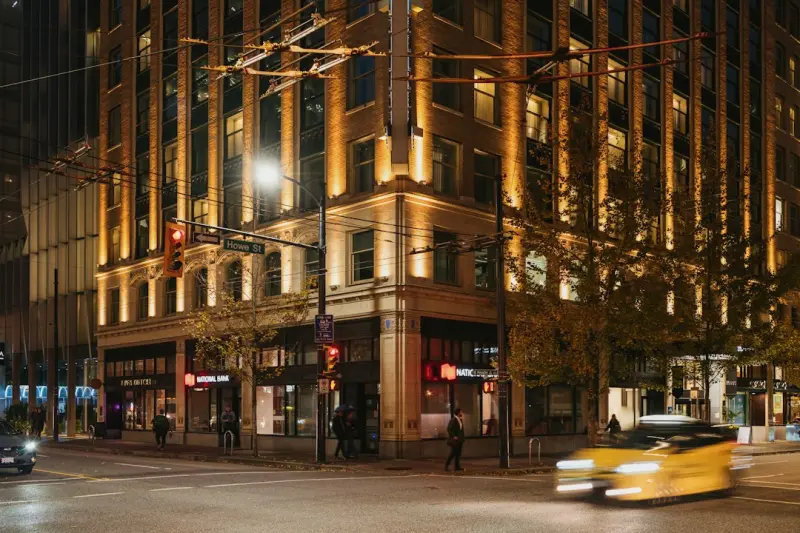
Kinetic Awnings: Redefining the Commercial Facade
Kinetic awnings are evolving from simple shade to interactive, data‑rich interfaces that cut energ... Read More
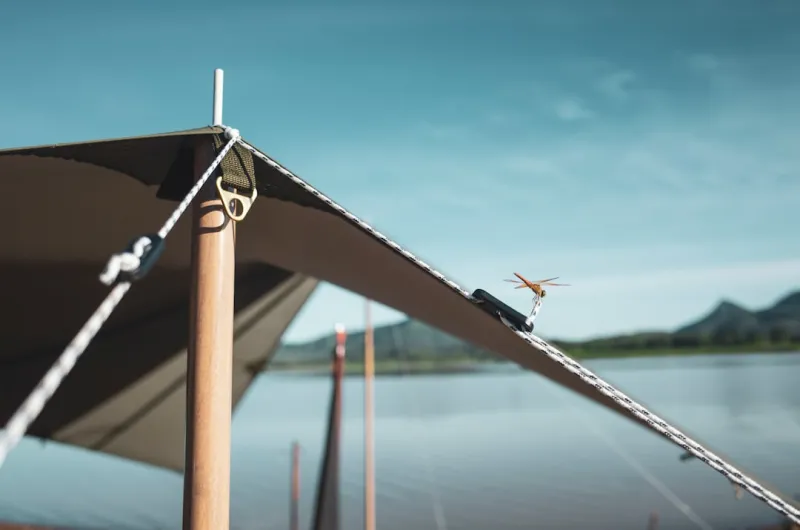
The Sustainable Awning Revolution: A Game-Changer for Eco-Friendly Homes
The sustainable awning revolution is a game-changer for eco-friendly homes. Learn about the environm... Read More
Top Posts
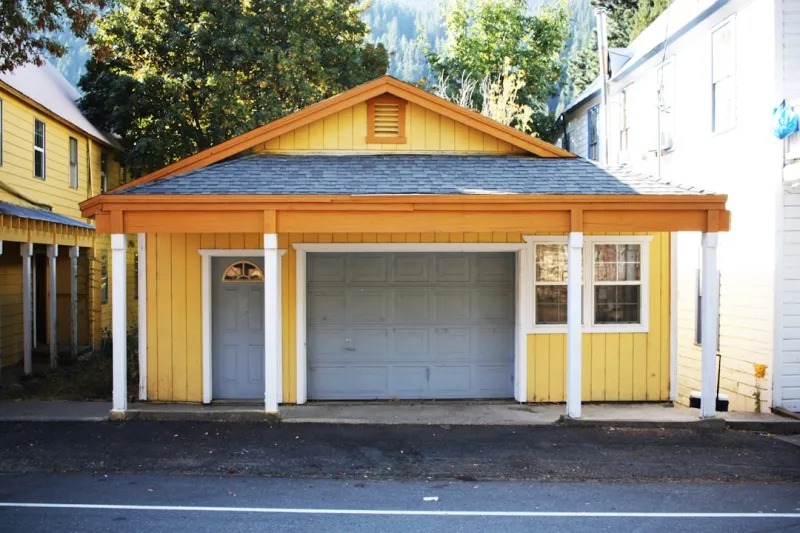
Building the Future: Sustainable Garage Construction Tips from William Roy
Veteran contractor William Roy shares his insider’s guide to constructing a sustainable garage—from eco‑friendly foundations and insulation to smart power...Read More

Harvesting Value: How Edible Landscaping Transforms Commercial Spaces
Edible landscaping turns corporate courtyards and rooftops into productive gardens that cut catering costs, showcase sustainability, and boost employee well‑b...Read More
Awning Innovation: Turning Shade into Strategy for Modern Businesses
A modern awning does more than block the sun; it becomes a branding tool, energy saver, and data source. Discover the latest smart and sustainable awning techno...Read More

The Hidden ROI of Upgrading Your Garage Door: Value, Safety, and Lifestyle Boosts
Learn why a garage door upgrade is more than curb appeal—it saves energy, improves security, and raises resale value, with smart‑tech tips and design ideas....Read More
0 Comments
Post Comment
You will need to Login or Register to comment on this post!