
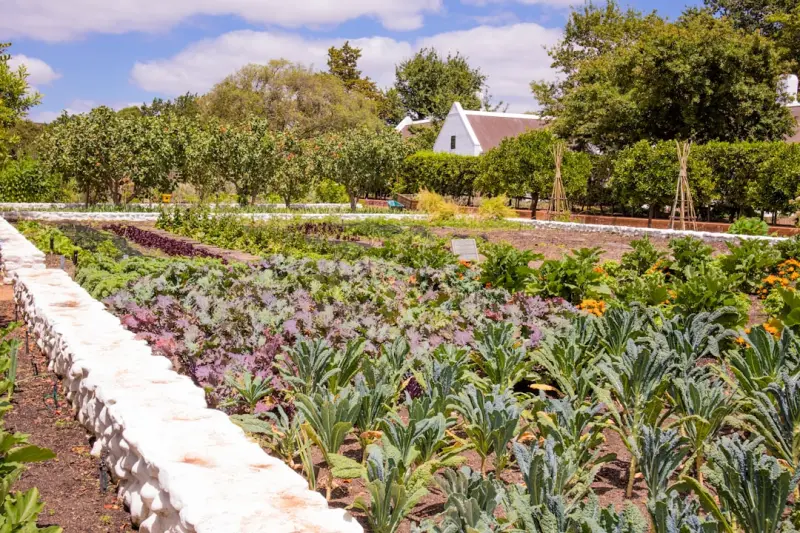
Why Edible Landscaping Is the Next Frontier for Business Campuses
When I first walked onto the roof of a downtown office tower and saw a thriving herb garden spilling over a concrete balcony, I felt a shift in my perception of what a “landscape” could be. It wasn’t just a decorative afterthought; it was a living, breathing asset that could feed employees, showcase a brand’s commitment to sustainability, and even generate measurable ROI. This is the promise of edible landscaping, and it’s poised to become a strategic differentiator for forward‑thinking companies.
From Aesthetic to Asset: The Business Case
Traditional landscaping has long been judged by visual appeal alone—color palettes, symmetry, and the occasional water feature. While those elements still matter, businesses now demand that every square foot contribute to the bottom line. Edible landscaping delivers on three critical fronts:
- Cost Savings: Home‑grown produce can offset catering expenses, especially for on‑site cafeterias or wellness programs.
- Brand Amplification: A visible garden tells a story of stewardship, innovation, and community involvement.
- Employee Well‑Being: Access to fresh herbs, fruits, and vegetables improves nutrition, reduces stress, and fosters a sense of ownership.
When you pair these benefits with data‑driven maintenance—think moisture sensors, automated drip systems, and predictive analytics—the garden becomes a low‑maintenance, high‑impact feature.
Design Principles That Turn Green into Gold
Creating a successful edible landscape isn’t about scattering lettuce leaves across the parking lot. It requires a disciplined design approach that respects site constraints, climate, and the company’s cultural narrative.
- Site Assessment: Identify sun‑exposed zones, wind corridors, and soil conditions. Even heavily paved areas can host container gardens or vertical farms.
- Plant Selection: Choose hardy, low‑maintenance varieties that align with local climate. Think dwarf fruit trees, perennial herbs (rosemary, thyme), and salad greens that thrive in partial shade.
- Modular Layout: Design planting beds as interchangeable modules. This flexibility allows the garden to evolve with changing corporate needs or seasonal menus.
- Water Efficiency: Integrate rainwater harvesting and drip irrigation to keep the system sustainable. Smart controllers can sync watering cycles with weather forecasts.
- Technology Integration: Sensors that monitor soil moisture, pH, and temperature feed data into a dashboard, enabling proactive care and reducing waste.
These principles echo the precision we see in other tech‑enabled building systems. For example, smart plumbing solutions have already revolutionized water use in commercial properties. By applying the same IoT mindset to landscaping, you can achieve a garden that is as efficient as a data center’s cooling system.
Technology Meets Terracotta: Smart Garden Infrastructure
Modern edible gardens are no longer reliant on manual watering schedules or guesswork. A suite of technologies can turn a garden into a self‑optimizing ecosystem:
- IoT Soil Sensors: Measure moisture, temperature, and nutrient levels in real time.
- AI‑Driven Forecasting: Predict disease outbreaks or pest infestations before they become visible, allowing for targeted interventions.
- Automated Irrigation Controllers: Adjust flow rates based on sensor data and weather predictions.
- Mobile Dashboards: Facility managers can monitor garden health alongside HVAC, lighting, and security systems from a single interface.
Integrating these tools with existing building management platforms creates a seamless “green operations” experience. In fact, the same predictive algorithms that power AI‑powered HVAC systems can be repurposed to anticipate watering needs, ensuring plants receive just the right amount of hydration.
Case Study: A Tech Campus That Turned Its Courtyard Into a Revenue Stream
One of our clients, a mid‑size software firm, converted an underutilized courtyard into a 1,200‑square‑foot edible garden. The project followed a phased rollout:
- Phase 1 – Pilot: Small raised beds with basil, mint, and cherry tomatoes. Data from soil sensors informed watering cycles, cutting water use by 35%.
- Phase 2 – Expansion: Added dwarf apple trees and a vertical herb wall. The garden supplied 20% of the weekly produce for the on‑site café.
- Phase 3 – Community Integration: Opened the garden to local schools for educational workshops, generating positive PR and community goodwill.
Within twelve months, the company reported a 12% reduction in catering costs and a measurable uptick in employee satisfaction scores related to workplace wellness. The garden also earned a “green innovation” badge from the city’s sustainability office, adding a marketing asset that the PR team leveraged across social media and client pitches.
Overcoming Common Challenges
While the benefits are compelling, businesses often encounter hurdles when launching an edible landscape. Below are the most frequent concerns and practical solutions:
1. Limited Space
Urban campuses rarely have sprawling lawns. The answer lies in vertical gardening, hydroponic trays, and container systems that can be placed on rooftops, balconies, or even interior atriums.
2. Maintenance Burden
Partner with local urban farms or horticultural service providers who can handle planting cycles, pruning, and harvest. When combined with sensor‑driven automation, the human labor component drops dramatically.
3. Seasonal Variability
Choose a mix of cool‑season and warm‑season crops. Incorporate season‑extending structures such as hoop houses or insulated greenhouse pods to keep production steady year‑round.
4. Food Safety
Establish clear protocols for harvesting, cleaning, and storing produce. Integrate these procedures with existing food safety standards used by the corporate kitchen.
Integrating Edible Landscaping With Broader Sustainability Goals
Edible gardens should not exist in isolation. They are most powerful when they complement other sustainability initiatives:
- Carbon Sequestration: Plants absorb CO₂, contributing to the company’s carbon‑neutral targets.
- Stormwater Management: Permeable garden beds reduce runoff, easing pressure on municipal drainage systems.
- Energy Savings: Shaded planting areas can lower cooling loads on adjacent buildings, echoing the benefits of dynamic insulation technologies.
When these elements are documented in a sustainability report, the edible garden becomes a quantifiable line item—complete with metrics on water saved, produce harvested, and emissions reduced.
Measuring Success: KPIs That Matter
To justify ongoing investment, businesses need clear key performance indicators (KPIs). Consider tracking:
| KPI | How to Measure |
|---|---|
| Produce Yield (lbs per month) | Weight of harvested crops logged in the garden management app. |
| Water Savings (gallons) | Difference between sensor‑controlled irrigation vs. baseline usage. |
| Employee Participation Rate | Number of staff using the garden for picking or volunteering. |
| Cost Offset ($) | Value of produce compared to catering spend. |
| Carbon Reduction (kg CO₂e) | Estimated based on plant biomass and reduced HVAC load. |
Regularly publishing these metrics reinforces the garden’s role as a strategic asset and encourages cross‑departmental buy‑in.
Getting Started: A Step‑by‑Step Playbook
Ready to sow the seeds of an edible landscape? Follow this streamlined roadmap:
- Stakeholder Alignment: Secure executive sponsorship by linking garden goals to corporate ESG targets.
- Site Survey: Conduct a sunlight and soil analysis, noting any existing drainage or utility constraints.
- Design Workshop: Bring together architects, horticulturists, and facilities managers to co‑create a modular plan.
- Technology Selection: Choose compatible sensors, irrigation controllers, and a cloud dashboard that integrates with your BMS.
- Pilot Installation: Start with a 200‑sq‑ft test plot, monitor performance, and refine maintenance protocols.
- Scale Up: Expand based on data insights, adding new plant varieties and possibly integrating a small greenhouse.
- Communications Rollout: Celebrate the launch with internal newsletters, signage, and a social media campaign that highlights the garden’s impact.
Remember, the garden is a living system; it will evolve, and so should your management approach.
Future Trends: Where Edible Landscaping Is Heading
The convergence of agritech and smart building tech foreshadows several exciting developments:
- AI‑Curated Crop Rotations: Machine learning models will suggest optimal planting cycles based on climate forecasts and employee consumption patterns.
- Robotic Harvesters: Small‑scale autonomous robots could handle picking, reducing labor costs.
- Blockchain Traceability: For companies that sell on‑site produce, blockchain could certify freshness and sustainability claims.
- Biophilic Data Centers: Future data hubs may incorporate vertical farms that provide cooling through evapotranspiration while supplying fresh food.
By positioning your edible landscape at the intersection of these trends, you not only future‑proof your investment but also showcase your organization as a pioneer in holistic sustainability.
Conclusion: Planting Profit and Purpose
Edible landscaping transforms the mundane into the meaningful. It takes concrete, asphalt, and underused rooftops and turns them into productive, brand‑enhancing ecosystems that feed employees, cut costs, and reduce environmental impact. When paired with the same data‑driven rigor that powers smart plumbing and AI‑powered HVAC, these gardens become as reliable as any core building system. The result? A thriving landscape that not only looks good but also does good—for the balance sheet, the brand, and the planet.

William Roy is a freelance writer originally from Montreal who moved to Ottawa with his wife of 50 years to be closer to their grandkids. Alongside his writing, William has a passion for fishing.
Related Posts
Transforming My Backyard: A Sustainable Landscaping Journey
A personal guide to turning your yard into a sustainable oasis, featuring native planting, permeable... Read More

Designing Sound-Responsive Landscapes: Turning Outdoor Spaces into Auditory Experiences
Landscaping isn’t only visual; it’s auditory too. This article reveals how strategic plantings, ... Read More

Creating a Low‑Maintenance Native Landscape That Thrives in Urban Spaces
Learn step‑by‑step how to turn an ordinary city yard into a resilient, low‑maintenance native ... Read More
Top Posts

Why Floor Heating Is the Quiet Luxury Your Home Craves
Floor heating offers a whisper‑quiet warmth that transforms any space. I share personal insights, energy benefits, and real‑world tips to help you decide if...Read More

Passive Solar Shading: The Smart Homeowner’s Blueprint for Weather Proofing
A practical guide to leveraging passive solar shading—dynamic window films, exterior louvers, and reclaimed materials—to create a smarter, more energy‑eff...Read More
Sunroom Strategy: Turning Light‑Filled Spaces into Business Assets
Explore a fresh perspective on sunrooms, revealing their hidden value as energy‑savvy, wellness‑focused assets that drive productivity and bottom‑line ben...Read More

Awning Mastery: Turning Shade into Sustainable Comfort
Explore the transformative power of awnings—from energy savings and smart automation to eco‑friendly materials and design harmony—turning any patio into a...Read More
0 Comments
Post Comment
You will need to Login or Register to comment on this post!