
Why Awnings Are the Unsung Heroes of Modern Commercial Spaces
When I first walked past a bustling café with a bright, patterned awning, I didn’t think twice about it. It was just a splash of color shielding a few tables from the sun. Fast forward a few months, and I’m deep‑diving into how that same awning can become a strategic asset—driving sales, cutting energy costs, and even collecting data that informs your broader business strategy. In today’s hyper‑connected marketplace, the humble awning is evolving from a passive shade solution into an active, data‑driven component of the customer experience.
The Business Case: From Aesthetic to Asset
Most businesses treat awnings as a design afterthought. Yet, when you layer in foot‑traffic analytics, energy savings, and brand storytelling, the ROI curve steepens dramatically. Here’s why:
- First‑impression marketing: A well‑designed awning creates an instant visual cue that tells passersby “we’re open, we care about comfort, and we’re memorable.”
- Thermal regulation: By shading windows and doors, awnings can reduce cooling loads by up to 15%, translating into lower HVAC bills.
- Data collection: Modern motorized awnings equipped with light and temperature sensors feed real‑time data into your building management system, enabling predictive shading schedules.
- Revenue streams: Digital displays integrated into awning fabrics can serve targeted ads or promotions, turning shade into a silent sales team.
From Fabric to Firmware: The Rise of the Smart Awning
Imagine an awning that knows the exact moment the sun will hit a glass façade and automatically extends just enough to keep interior temperatures stable—without you lifting a finger. That’s not a futuristic fantasy; it’s happening now thanks to IoT‑enabled actuation. A simple control unit, often no larger than a thermostat, can sync with weather APIs, on‑site sensors, and even your building’s energy management platform.
What sets a smart awning apart from a traditional motorized one is the feedback loop. Sensors monitor ambient light, temperature, and wind speed, feeding that data back to an algorithm that decides whether to extend, retract, or adjust the tilt angle. The result is a dynamic shading system that maximizes comfort while minimizing energy waste.
Design That Speaks: Branding, Graphics, and Light Play
Beyond functionality, an awning is a canvas. Leveraging large‑format printing or laser‑etched vinyl, you can embed your brand’s story directly into the architecture of the street. The trick is to balance visual impact with the technical requirements of the shade mechanism. Here are a few design considerations:
- Material weight: Heavier graphic‑laden fabrics may require more robust motor specs.
- UV durability: Choose inks and substrates that won’t fade after a few seasons.
- Light diffusion: Semi‑transparent graphics can create a subtle glow at night, enhancing nighttime visibility.
When done right, the awning becomes a beacon that draws customers in long before they see the interior.
Energy Savings in Real Numbers
Let’s put a dollar figure on the comfort factor. According to a study by the Building Performance Institute, a 10‑ft by 20‑ft awning can cut solar heat gain by roughly 2,000 BTU per hour on a sunny day. Over a cooling season, that translates into hundreds of dollars in electricity savings for a medium‑sized retail space. Pair that with a programmable schedule, and you’re looking at a payback period of 2‑3 years for most motorized systems.
But the real magic happens when you integrate the awning data with your existing adaptive climate‑ready upgrades. By correlating shade patterns with HVAC performance, you can fine‑tune thermostat set‑points and even predict maintenance needs before a motor stalls.
Sustainable Materials: From Recycled Fabrics to Solar‑Harvesting Mesh
Eco‑conscious brands are demanding more than just shade—they want environmental stewardship. Today’s market offers:
- Recycled polyester awnings: Made from post‑consumer plastic bottles, these fabrics provide the same durability with a smaller carbon footprint.
- Solar‑integrated mesh: Thin photovoltaic strips woven into the fabric generate enough power to run the motor and a small LED sign, turning the awning into a tiny power plant.
- Biodegradable coatings: For temporary installations, you can opt for water‑based, compostable finishes that break down harmlessly after use.
Choosing the right material not only aligns with corporate sustainability goals but also resonates with customers who increasingly reward green practices.
Case Study Snapshots
Retail Boutique – “Shade & Style”
Located on a high‑traffic urban corridor, this boutique installed a motorized, graphics‑rich awning that syncs with a cloud‑based weather service. Over six months, foot traffic increased by 12% on sunny days, and cooling costs dropped 9% compared to the previous year.
Hotel Lobby – “Coastal Breeze Resort”
The resort’s ocean‑facing lobby added a retractable awning equipped with solar mesh. Not only did the awning cut daytime HVAC loads, it generated enough electricity to power the lobby’s ambient lighting, earning the property a LEED Silver certification.
Co‑Working Hub – “The Hive”
By integrating a digital display into the awning’s underside, The Hive broadcast live community events and member spotlights. The dynamic content boosted on‑site event sign‑ups by 18% and created a new advertising inventory for local businesses.
Implementation Checklist: From Vision to Installation
- Define objectives: Is your priority brand visibility, energy savings, or data collection?
- Site assessment: Measure façade dimensions, wind load, and local code requirements.
- Select material: Choose between recycled fabric, solar mesh, or traditional canvas based on budget and sustainability goals.
- Choose a control platform: Look for systems that integrate with existing BMS (Building Management Systems) or smart building hubs.
- Plan graphics: Work with a designer familiar in large‑scale printing that respects motor load limits.
- Installation partner: Vet installers with experience in motorized or IoT‑enabled awnings.
- Testing & commissioning: Verify sensor calibrations, schedule accuracy, and safety interlocks.
- Monitor performance: Use dashboards to track energy impact and foot‑traffic metrics.
Future‑Proofing: What’s Next for Awnings?
The next wave of awning innovation will likely blend adaptive fabrics—materials that change opacity in response to voltage—with AI‑driven predictive shading. Imagine a fabric that becomes more reflective as ambient temperature climbs, all while maintaining your brand’s color palette.
Another exciting frontier is augmented reality (AR) awnings. By projecting AR overlays onto the awning surface, retailers could showcase virtual product demos that respond to passerby movements, turning the awning into an interactive billboard.
Finally, the convergence of awnings with weatherproofing without sacrificing style will drive hybrid solutions that protect against wind, rain, and UV while still delivering a sleek aesthetic.
Conclusion: The Awning as a Strategic Lever
In a world where every square foot of storefront real estate competes for attention, the awning stands out as a multifunctional platform. It protects, markets, saves energy, and now, thanks to smart technology, talks back to your building system. If you’ve been treating your awning as an afterthought, it’s time to upgrade your perspective—and your bottom line.

Kelly Reynolds is a dynamic freelance writer hailing from the picturesque landscapes of Alberta. A master of the written word, she juggles her passion for storytelling with the exhilarating chaos of being a mother to five spirited children. With an impressive portfolio that spans various genres, Kelly captivates readers through her engaging blog posts and thought-provoking articles.
Related Posts
How Awnings Shape Customer Mood and Bottom Line
A well‑designed awning does more than shade a storefront—it influences shopper psychology, reinf... Read More
Awnings as Strategic Assets: Redefining Outdoor Workspaces
A fresh look at awnings reveals their potential to transform outdoor spaces into productive, brandâ€... Read More
The Sustainable Awning Revolution: A Game-Changer for Eco-Friendly Homes
The sustainable awning revolution is a game-changer for eco-friendly homes. Learn about the environm... Read More
Top Posts

Why Trees Deserve a Seat at the Executive Table
A fresh look at tree care shows that mature canopies act like natural HVAC systems, cut costs, and enhance sustainability, making them essential strategic asset...Read More
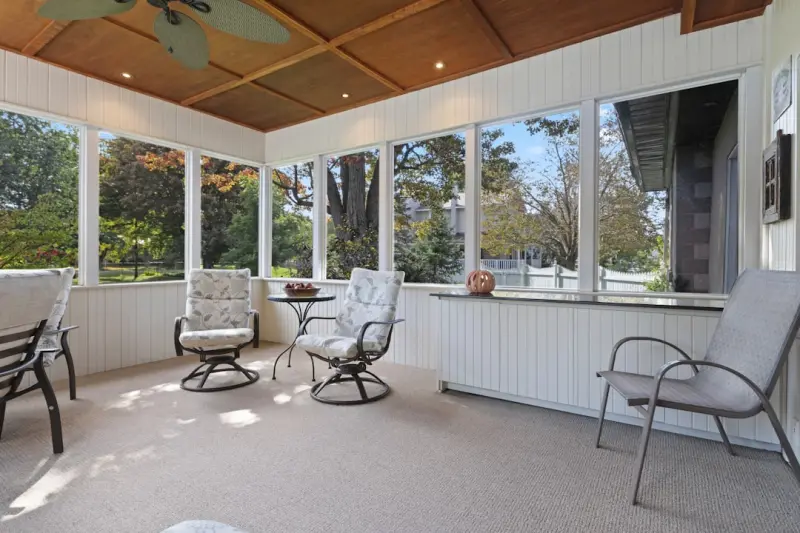
Designing a Year‑Round Sunroom Addition That Works for Work, Play, and Wellness
A sunroom can be far more than a glass‑enclosed patio—it can serve as a home office, yoga studio, guest suite, or all of the above. Learn the design, techni...Read More

Adaptive Tile Systems: Merging Aesthetics, Data, and Durability
Tiles are evolving from static décor to intelligent platforms. This post reveals how modular installation, embedded sensors, and innovative materials turn floo...Read More

Revitalizing Outdoor Living: The Smart, Sustainable Deck Transformation
Discover the secrets to creating a smart, sustainable deck that acts as an outdoor living room—featuring eco‑friendly materials, integrated tech, and future...Read More
0 Comments
Post Comment
You will need to Login or Register to comment on this post!