
Why Your HVAC System Is More Than Just Comfort
When I first stepped into a home with a brand‑new furnace and air‑conditioner, I expected the biggest perk to be a perfectly even temperature. The truth, however, is that a well‑tuned HVAC system quietly shapes the air you breathe, the energy bills you pay, and the long‑term health of the structure itself. Over the years I’ve watched families trade a quiet, efficient system for a louder, cheaper model, only to discover a cascade of hidden expenses and indoor‑air headaches that could have been avoided with a smarter approach.
Invisible Threats: Indoor Air Quality and Your Health
Most homeowners equate “clean” with a spotless floor, not realizing that the air circulating through ducts can carry dust mites, pollen, mold spores, and even volatile organic compounds from paints and furniture. These pollutants settle deep in the lungs, aggravating asthma, allergies, and even chronic fatigue, especially during the heating season when windows stay shut. By integrating high‑efficiency filters and regular duct cleaning, you create a breathable sanctuary that protects the most vulnerable members of your household.
The Financial Leak: Energy Waste and Unexpected Repairs
It’s easy to spot a skyrocketing utility bill, but the underlying cause is often an overworked blower or an aging coil that never reaches its design efficiency. A furnace that runs 15 minutes longer each night can add hundreds of dollars to your annual expenses, while the extra strain shortens the lifespan of critical components, leading to premature replacements. The math is simple: a modest investment in a variable‑speed motor or a smart thermostat can slash energy consumption by up to 30 % and defer costly repairs for years.
Smart Thermostats: The Brain Behind the Comfort
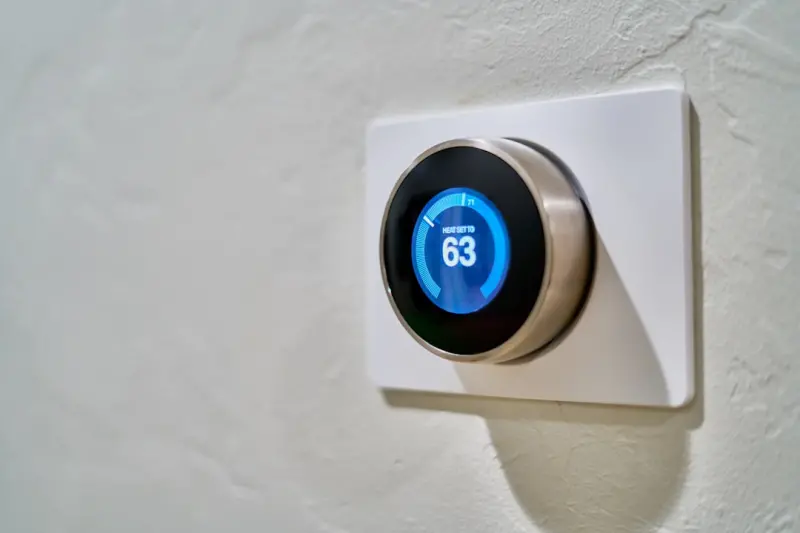
Modern thermostats learn your schedule, adjust for weather patterns, and even respond to occupancy sensors, ensuring that heating or cooling only runs when needed. This adaptive control eliminates the habit of “set it and forget it” that wastes energy during empty afternoons or nights. Moreover, many models provide detailed usage reports, letting you spot inefficiencies before they become bill‑shocking surprises.
Zoning and Variable‑Speed Systems: Tailoring Comfort Room by Room
One‑size‑fits‑all heating rarely works in homes where the master bedroom faces a cold north wall while the living room basks in afternoon sun. Zoning lets you assign separate temperature setpoints to each area, while variable‑speed compressors modulate output to match real‑time demand. The result is a harmonious balance of comfort and efficiency, with each zone receiving exactly the amount of heating or cooling it requires, eliminating hot spots and drafty corners.
Maintenance Made Simple: The Power of Routine Care
Just as you oil a bike chain, your HVAC system thrives on regular attention. Routine property maintenance not only preserves performance but also catches wear before it spirals into a breakdown. A seasonal filter swap, coil inspection, and blower cleaning can keep airflow optimal, reduce strain on the motor, and maintain indoor‑air quality without demanding a major overhaul.
Integrating IAQ Sensors and Air Purifiers
Today’s smart homes can monitor particulate matter, carbon dioxide, and humidity levels in real time, feeding the data directly to your thermostat or mobile app. When sensor readings cross a threshold, the system can automatically boost filtration or trigger an air purifier, maintaining a healthy environment without manual intervention. These intelligent loops create a proactive defense against allergens and pathogens, especially important during flu season or wildfire events.
Future‑Proofing Your Climate Control System
As homes become more connected, the HVAC backbone must be ready for upgrades like solar‑integrated heat pumps or grid‑responsive demand‑response programs. Future‑proofing your home systems means selecting equipment with open communication protocols and modular components that can adapt to emerging technologies. This forward‑thinking approach protects your investment and positions your home to take advantage of upcoming energy incentives.
Actionable Checklist for a Healthier, Cost‑Effective HVAC
- Install a smart thermostat with learning capabilities and occupancy detection.
- Upgrade to a variable‑speed furnace or air‑handler to match output with demand.
- Set up zoned controls for rooms with differing heating/cooling loads.
- Replace filters every 1–3 months; choose MERV‑13 or higher for superior air filtration.
- Schedule seasonal maintenance to clean coils, inspect ducts, and calibrate sensors.
- Integrate IAQ sensors and automate air purifier activation based on real‑time data.
- Choose equipment with open‑protocol connectivity to simplify future upgrades.
- Review utility reports quarterly to identify anomalies and adjust settings accordingly.
By following these steps, you transform your heating and air‑conditioning system from a passive appliance into an active ally for health, comfort, and financial peace of mind.

William Roy is a freelance writer originally from Montreal who moved to Ottawa with his wife of 50 years to be closer to their grandkids. Alongside his writing, William has a passion for fishing.
Related Posts

Predictive HVAC: Turning Data into Comfort and Savings
Predictive HVAC leverages real‑time sensor data and AI analytics to forecast equipment failures, o... Read More

Hybrid Heat Pumps: The Smart Path to Year‑Round Comfort and Savings
Explore the rise of hybrid heat pumps, their efficiency, zoning benefits, and how they improve indoo... Read More

When Buildings Breathe: Integrating Biophilic Design with Modern HVAC
A deep dive into biophilic HVAC shows how merging natural airflow, green walls, solar power, and AI-... Read More
Top Posts
Predictive HVAC: Turning Climate Control into a Competitive Advantage
Predictive HVAC shifts climate control from reactive fixes to data‑driven optimization, delivering lower costs, healthier indoor air, and a sustainability edg...Read More

When Silence Sells: Harnessing Acoustic Window Treatments for Smarter Spaces
Acoustic window treatments turn sound management into a strategic asset, improving productivity, tenant satisfaction, and lease value while integrating seamless...Read More

Smart Gutter Systems: Turning Rain Management Into a Home Asset
Learn why gutters are critical for home health, how smart tech and proper materials boost value, and the seasonal habits that keep them performing year‑round....Read More

Beyond Aesthetics: How Smart Tiling is Redefining the Built Environment
Smart tiling merges durability with data, turning floors and walls into interactive platforms that enhance safety, energy use, and occupant experience. This pos...Read More
0 Comments
Post Comment
You will need to Login or Register to comment on this post!