

Why Property Maintenance Becomes a Mindful Ritual
When I first started juggling multiple renovation projects, I discovered that maintenance isn’t just a list of chores—it’s a habit that shapes the rhythm of daily life. A well‑kept home quietly supports our routines, reduces the mental load, and even improves sleep quality because we stop worrying about leaks or squeaky hinges. By treating upkeep as a mindful ritual, you transform a mundane task into a source of confidence and calm.
Building a Seasonal Blueprint That Fits Your Lifestyle
Instead of reacting to emergencies, I map out a seasonal blueprint that aligns with my work schedule, family commitments, and local climate patterns. Early spring becomes the perfect window for inspecting gutters, testing sump pumps, and checking the integrity of exterior paint before the rains arrive. Summer, with its longer daylight hours, is ideal for power‑washing decks and pruning trees, while fall focuses on sealing drafts and preparing heating systems for the chill. This cyclical approach spreads the workload evenly, preventing the dreaded “all‑or‑nothing” weekends that leave you exhausted.
Integrating Smart Tools Without Overcomplicating
Technology can simplify maintenance, but only if you choose tools that truly add value. I rely on a few reliable sensors: a leak detector that pings my phone, a smart thermostat that logs heating efficiency, and a weather‑linked irrigation controller that adjusts watering based on rain forecasts. These devices provide actionable data without flooding you with notifications, allowing you to prioritize tasks that genuinely matter.
Eco‑Friendly Cleaning Practices That Save Money
Many homeowners reach for chemical cleaners, yet natural alternatives can be just as effective and far kinder to the planet. A mix of distilled white vinegar and water tackles mineral stains on fixtures, while baking soda combined with a dash of lemon juice lifts grime from tile grout. These solutions reduce recurring expenses and keep indoor air quality high, especially for families with children or pets. For carpets, consider the simple techniques that extend fiber life without harsh solvents.
Exterior Care: From Roof to Foundation
The outside of your property is its first line of defense, and a few proactive steps can stave off costly repairs. Begin each year with a visual roof inspection; even minor shingle damage can lead to water intrusion if left unchecked. The roof’s condition directly influences curb appeal and resale value, echoing insights from related research. Follow up by clearing debris from drainage channels, resealing exterior joints, and checking foundation vents for blockages. These actions protect structural integrity and keep the home’s envelope airtight.
Plumbing Health: Proactive Measures for Longevity
Water systems are often the silent workhorses of a house, and neglect can lead to hidden leaks that waste gallons and inflate utility bills. I schedule a semi‑annual pressure test, which quickly reveals hidden pipe weaknesses before they burst. When replacing fixtures, opt for high‑efficiency models that reduce flow without sacrificing performance. For deeper insight, explore the strategies outlined in Future‑Proof Your Home’s Plumbing, which detail sustainable upgrades that pay off over years.
Budgeting for Maintenance: Turning Expenses Into Investments
One of the biggest misconceptions about upkeep is that it drains finances; in reality, consistent spending is an investment that preserves asset value. I allocate a fixed percentage of my monthly income—usually around 1–2% of the home’s estimated value—to a dedicated maintenance fund. By tracking expenditures in a simple spreadsheet, I can forecast major outlays, such as HVAC servicing or roof replacement, and spread costs over time. This disciplined approach eliminates surprise expenses and keeps your financial health as solid as the foundation you maintain.
DIY vs. Professional Help: Knowing When to Call the Experts
There’s a fine line between empowering yourself and risking damage by over‑reaching. Simple tasks—like replacing faucet washers, repainting a bedroom, or cleaning dryer vents—are perfect for a weekend DIY sprint. However, electrical work, structural modifications, or complex HVAC repairs demand licensed professionals. Not only does hiring an expert ensure code compliance, but it also protects your warranty and insurance coverage. By clearly categorizing tasks, you can allocate time and money efficiently while safeguarding the home’s longevity.
Creating a Community Maintenance Network
Living in a neighborhood offers a hidden advantage: a collective knowledge base. I’ve organized quarterly meet‑ups where neighbors share maintenance tips, swap tools, and even exchange trusted contractor contacts. These gatherings foster a sense of camaraderie and reduce individual stress—knowing that someone nearby can lend a ladder or advise on a stubborn leak is priceless. Over time, the community becomes a support system that amplifies the effectiveness of each homeowner’s maintenance routine.
Final Thoughts: Turning Maintenance Into a Lifestyle Upgrade
When you view property maintenance as an ongoing lifestyle upgrade rather than a burdensome checklist, the benefits ripple through every aspect of home life. From enhanced mental clarity to preserved market value, each small, intentional act builds a resilient, comfortable environment for you and your loved ones. Embrace the rhythm, leverage smart tools, and lean on community resources—you’ll find that a well‑maintained home is the ultimate foundation for a balanced, thriving life.

Lifan Chen is a freelancer based in Toronto specializing in marketing. With expertise in crafting effective marketing strategies and campaigns, Lifan helps businesses grow their brand presence and reach target audiences. As a Toronto-based freelancer, Lifan combines local market insights with creative marketing skills to deliver tailored solutions for clients.
Related Posts
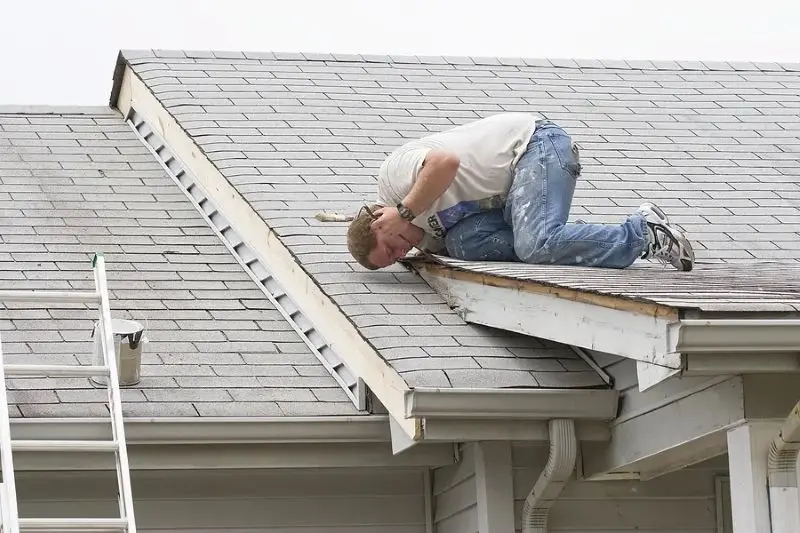
Why Proactive Property Maintenance Pays Off More Than You Think
A practical guide to turning routine upkeep into a profit‑driving strategy, with seasonal checklis... Read More
Predictive Maintenance: Turning Property Care into a Strategic Asset
A deep dive into turning property maintenance from reactive repairs into a strategic, data‑driven ... Read More

Proactive Façade Maintenance: Leveraging IoT for Smarter Property Care
A sensor‑driven, data‑rich approach to façade upkeep can slash emergency repair costs, boost te... Read More
Top Posts

Creating Eco-Friendly Outdoor Spaces: Sustainable Sheds and Gazebos
Learn how to create eco-friendly outdoor spaces with sustainable sheds and gazebos, reducing your environmental impact while enjoying a peaceful retreat....Read More
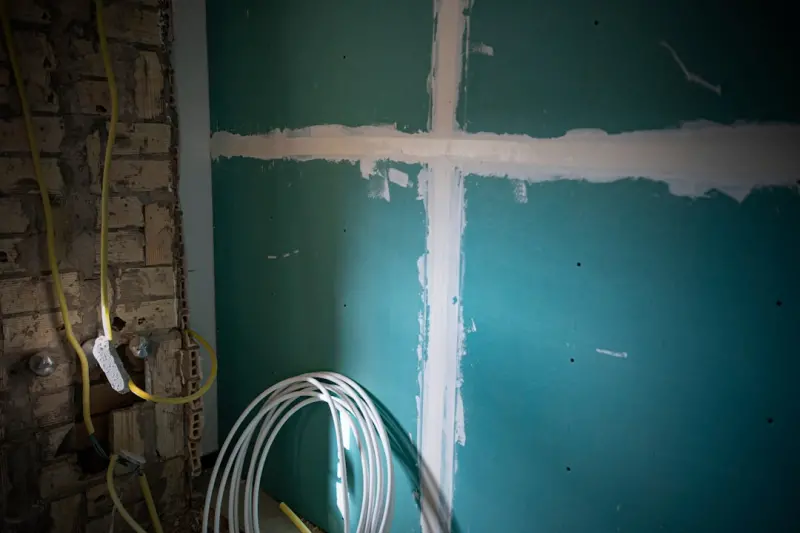
Plaster Power: Turning Walls into Business Assets
Plaster is no longer just a decorative finish; it’s a strategic asset that can reinforce brand identity, enhance indoor health, embed smart sensors, and gener...Read More

Why a Proactive Maintenance Calendar Is Your Home’s Best Investment
A proactive maintenance calendar transforms upkeep from a dreaded chore into a seamless routine, saving money, preventing emergencies, and enhancing home value....Read More

The Evolution of Window Treatments: How Sustainable Solutions Are Revolutionizing the Industry
Explore the evolution of window treatments and learn how sustainable solutions are transforming the industry. From solar shades to smart glass, discover eco-fri...Read More
0 Comments
Post Comment
You will need to Login or Register to comment on this post!