

Rethinking Home Comfort in the Age of Hybrid Heat Pumps
When I first stepped into a home that boasted a hybrid heat pump, I felt like I’d entered the future of residential climate control. These systems marry the reliability of a traditional furnace with the efficiency of an electric heat pump, automatically choosing the optimal source of heat based on outdoor temperature and energy rates. The result is a seamless balance between comfort and cost that feels almost too good to be true. Homeowners who once dreaded the winter chill now enjoy steady warmth without the sky‑high bills they associate with oil or propane. Hybrid heat pumps also double as coolers in the summer, eliminating the need for a separate air‑conditioning unit. The technology has matured to the point where even colder climates, once thought unsuitable for heat pumps, now see reliable performance down to the single digits. This shift is redefining what we expect from our HVAC investments and setting a new benchmark for energy‑smart living.
Why Traditional Furnaces Are Losing Their Edge
For decades, the furnace reigned supreme, but today its dominance is waning. Older models often run at a single speed, cycling on and off in a way that creates temperature swings and drafts. They also tend to be less efficient, especially if they haven’t been upgraded in ten years or more. As energy costs climb, homeowners are scrutinizing every appliance that guzzles power, and the furnace is no exception. Moreover, the environmental impact of burning natural gas or oil is coming under increased scrutiny from both regulators and conscientious consumers. In contrast, a hybrid heat pump can achieve up to 40 % higher efficiency during milder months, reducing carbon footprints while trimming monthly expenses. The psychological comfort of knowing your home runs on cleaner energy is a compelling selling point that traditional furnaces simply can’t match. The market is responding, with manufacturers rolling out models that promise both reliability and sustainability—a combination that’s hard to ignore.
The Science Behind Heat Pump Efficiency
At its core, a heat pump operates on a simple refrigeration cycle, moving heat rather than generating it. In heating mode, the outdoor coil extracts ambient warmth—even when the temperature is near freezing—and transfers it indoors via a refrigerant. This process requires far less electricity than electric resistance heating, which converts electricity directly into heat. Modern inverter-driven compressors can modulate their speed, delivering precise heating output that matches the home’s demand. This variable‑speed capability eliminates the “on‑off” rhythm that wastes energy and creates noise. Additionally, advancements in refrigerant chemistry have reduced the environmental impact while boosting performance. The key metric, Seasonal Energy Efficiency Ratio (SEER) for cooling and Heating Seasonal Performance Factor (HSPF) for heating, now routinely exceed 20 and 10 respectively in premium units. Understanding these figures helps homeowners make informed choices, ensuring they select a system that truly delivers on its promised savings.
Zoned Comfort: Tailoring Temperature Room by Room
One of the most compelling benefits of a hybrid system is its ability to create distinct climate zones within a single dwelling. By pairing the central unit with smart dampers or multiple indoor air handlers, each room can maintain its own temperature set point. This means the master bedroom can stay cool while the home office remains warm, all without sacrificing overall efficiency. Zoned heating eliminates the wasteful practice of conditioning empty spaces, a common complaint among families with irregular schedules. The technology integrates seamlessly with real‑time energy inspection tools, allowing homeowners to monitor zone performance on their smartphones. The result is a tailored comfort experience that feels bespoke, yet is backed by data‑driven savings. For those who love to entertain, zoning ensures guests enjoy a perfectly balanced environment, regardless of the outdoor weather.
Air Quality: The Overlooked Companion to Heating
While temperature control gets most of the attention, indoor air quality (IAQ) is the silent partner that can make or break comfort. Hybrid heat pumps often incorporate advanced filtration and humidity control features that traditional furnaces lack. By continuously circulating air through high‑efficiency filters, these systems trap pollen, dust, and even microscopic pathogens, creating a healthier breathing environment. Some models also offer built‑in UV‑light or ionization options to further neutralize airborne contaminants. The added humidity control is crucial in colder months, preventing the dry air that irritates skin and respiratory passages. Homeowners who suffer from allergies or asthma notice a marked improvement after upgrading, often reporting fewer symptoms and better sleep. Pairing a hybrid system with a dedicated IAQ monitor provides real‑time feedback, empowering residents to adjust ventilation rates and maintain optimal conditions throughout the year.
Smart Controls Meet Human Habits
Technology alone isn’t enough; it must adapt to the rhythms of daily life. Modern thermostats learn your schedule, adjusting heating and cooling cycles to match occupancy patterns. They can detect when windows are open, temporarily pausing HVAC operation to avoid waste. Voice‑assistant integration lets you tweak settings without lifting a finger, while geofencing ensures the system preconditions the home as you approach. These smart controls also generate detailed energy reports, highlighting peaks and offering suggestions for further optimization. The combination of machine learning and user‑friendly interfaces turns a complex system into an intuitive partner. For tech‑savvy homeowners, the appeal lies in the granular control and the peace of mind that comes from knowing the system is always working in the most efficient manner possible.
The Real Cost Savings: Beyond the Utility Bill
When evaluating a hybrid heat pump, most homeowners focus on monthly electricity costs, but the financial picture is broader. Reduced wear and tear from fewer start‑stop cycles extends the lifespan of major components, delaying expensive replacements. Additionally, many utility providers offer rebates and tax incentives for installing high‑efficiency HVAC systems, slashing upfront expenses. Insurance premiums can also dip, as modern systems are less prone to leaks and fire hazards compared to aging furnaces. Over a ten‑year horizon, the cumulative savings often exceed the initial investment by a significant margin, delivering a solid return on investment. Factoring in the environmental benefits, homeowners enjoy both fiscal and ecological dividends—a compelling narrative for anyone weighing renovation options.
Installation Realities: What to Expect
Transitioning to a hybrid heat pump isn’t a simple swap; it requires careful planning and professional expertise. A thorough load calculation ensures the unit is sized correctly for the home’s square footage, insulation levels, and climate zone. Ductwork may need sealing or even redesign to accommodate the lower static pressure of a heat pump, a process reminiscent of the precision seen in modern building innovations. Installation crews will often add a small amount of refrigerant piping and may need to upgrade the electrical panel to handle the new load. While the upfront effort is greater than a furnace replacement, the long‑term payoff in efficiency and comfort makes it worthwhile. Choosing a certified installer with experience in hybrid systems is essential to avoid common pitfalls such as improper airflow or inadequate insulation, which can erode performance gains.
Future‑Proofing Your Home for Climate Variability
Climate patterns are shifting, and homeowners need HVAC solutions that can adapt to a broader temperature range. Hybrid heat pumps excel in this regard, offering heating efficiency in mild winters and robust cooling during hotter summers. Their ability to operate on electricity also aligns with the growing prevalence of renewable energy sources like rooftop solar panels. Pairing a hybrid system with a home battery storage solution creates a resilient microgrid, allowing the house to stay comfortable during power outages. This forward‑thinking approach not only protects against future energy price volatility but also positions the home as a sustainable asset that can command higher resale value. By investing in a flexible, high‑performance system today, you safeguard your comfort against tomorrow’s unpredictable weather.
Taking the First Step: Choosing the Right Partner
The journey toward a hybrid heat pump begins with research, but the decisive factor is the installation partner you trust. Look for contractors who hold manufacturer certifications, provide detailed performance modeling, and offer comprehensive maintenance packages. Transparent quotes that break down equipment, labor, and potential rebates help you compare apples to apples. A reputable installer will also walk you through the warranty terms and schedule regular check‑ups to keep the system at peak efficiency. Don’t shy away from asking for references or visiting recent installations. The right partnership ensures that the technology’s promise translates into real‑world comfort, savings, and peace of mind. With a knowledgeable team by your side, embracing hybrid heat pump technology becomes a smooth, rewarding transition that elevates your home’s comfort for years to come.

David MacKinnon is a dynamic freelance writer known for his captivating storytelling and keen insights into the world of technology. With a passion for exploring the intersection of innovation and everyday life, he crafts engaging narratives that not only inform but also inspire his readers.
Related Posts

Staying Cozy While Saving Energy: My Top Tips for Home Heating and Cooling
Stay cozy while saving energy with these expert tips on home heating and cooling. Learn how to optim... Read More
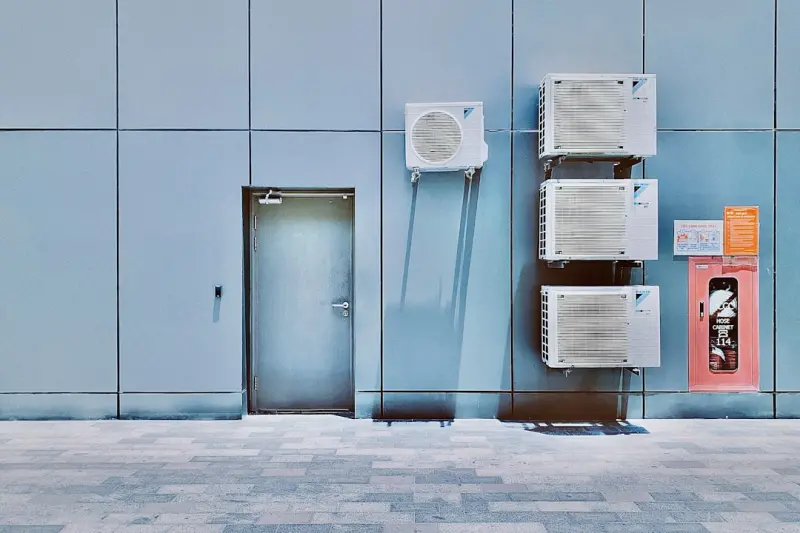
AI‑Powered HVAC: Turning Climate Control into Predictive Service
A deep dive into AI‑driven HVAC shows how predictive analytics, smart sensors, and heat‑pump int... Read More
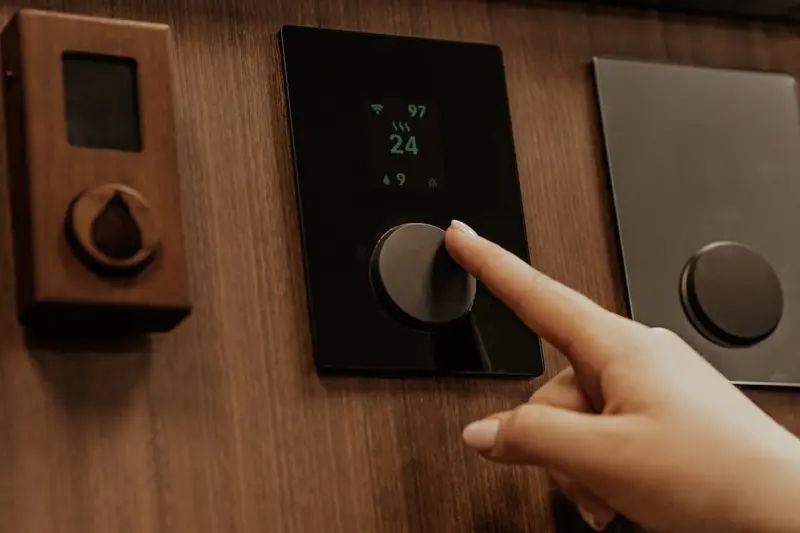
Predictive HVAC: Turning Climate Control into a Competitive Advantage
Predictive HVAC shifts climate control from reactive fixes to data‑driven optimization, delivering... Read More
Top Posts

Concrete Trends and Sustainable Strategies for the Modern Home
Discover how modern concrete techniques blend durability with sustainability, from eco‑friendly mixes to smart heating integration, turning slabs into lasting...Read More

Designing for Change: How Adaptive Architecture Marries Heritage and Flexibility
Adaptive architecture merges historic character with modular interiors and AI‑driven façades, creating buildings that evolve with occupants and climate deman...Read More

The Future of Landscaping: Sustainable Solutions for a Greener Tomorrow
The future of landscaping is sustainable, and it's here to stay. Learn how to create a greener, more eco-friendly outdoor space that benefits both you and the p...Read More

Smart Fencing: Turning Boundaries Into High‑Value Assets
Explore the rise of smart fencing—how IoT sensors, solar‑integrated panels, and self‑healing materials transform traditional fences into secure, energy‑...Read More
0 Comments
Post Comment
You will need to Login or Register to comment on this post!