

Why Predictive HVAC Is the Quiet Game‑Changer Your Facility Needs
When I first walked into a sprawling corporate campus in the middle of a blistering summer, the only thing louder than the hum of the air‑handling units was the constant chatter of facility managers trying to keep the indoor climate comfortable without blowing the budget. It was a classic case of reactive maintenance: “The system broke, we fix it. The next day it breaks again.” Over the past decade, I’ve watched the HVAC industry evolve from analog thermostats to cloud‑connected, AI‑enabled ecosystems. Yet, the real transformation is happening at the intersection of data science, sensor networks, and strategic asset management – what I like to call Predictive HVAC.
The data goldmine hiding in plain sight
Every furnace, chiller, and variable‑air‑volume (VAV) box is a sensor waiting to be tapped. Temperature, pressure, vibration, and power consumption streams flow continuously through the building management system (BMS). Historically, these metrics were logged for compliance, then forgotten. Today, advanced analytics platforms ingest that data, apply anomaly detection algorithms, and surface actionable insights before a component reaches a critical failure point.
Think of it as a health check‑up for your climate control infrastructure. Instead of waiting for a refrigerant leak to cause a loss of cooling capacity, the system flags a subtle rise in compressor vibration that correlates with a 2% efficiency dip. A maintenance crew can replace a bearing during a scheduled service window, avoiding an unplanned outage and preserving the building’s energy performance.
From “fix‑it‑when‑it‑breaks” to “optimize‑while‑it‑runs”
The shift to predictive maintenance isn’t just about avoiding downtime; it’s about unlocking hidden efficiencies. When a VAV box operates slightly out of its calibrated range, the entire zone can consume up to 5% more energy. By continuously calibrating setpoints based on occupancy patterns, outdoor air conditions, and real‑time demand response signals, you can shave off that excess energy without sacrificing comfort.
One of the most compelling use cases I’ve overseen involved retrofitting a legacy HVAC system with a AI‑driven analytics engine that correlated window performance data with HVAC loads. By understanding how much solar gain a particular façade contributed, the system pre‑cooled or pre‑heated zones, flattening peak demand and reducing utility bills by an average of 12% across a portfolio of office buildings.
Integrating indoor air quality (IAQ) into the predictive loop
Climate control is no longer just about temperature; it’s about delivering healthy air. Sensors now measure CO₂, volatile organic compounds (VOCs), particulate matter, and humidity in real time. When IAQ metrics drift outside optimal thresholds, the HVAC system can automatically adjust fresh‑air intake, increase filtration, or trigger localized air‑purification devices.
This approach is especially valuable in high‑occupancy environments such as conference centers or shared workspaces. A predictive model learns the typical occupancy curve, anticipates when CO₂ will rise, and ramps up ventilation just before occupants notice any discomfort. The result is a healthier environment, higher occupant satisfaction, and compliance with emerging indoor air standards.
Leveraging the cloud for scalable insights
While on‑premise BMS solutions have served the industry for years, the cloud offers a new level of scalability and cross‑facility benchmarking. By aggregating performance data from dozens of sites, machine‑learning models can identify patterns that would be invisible at a single location. For example, a cloud‑based platform might discover that a particular brand of chiller consistently loses efficiency after 3,000 operating hours in humid climates, prompting a proactive replacement schedule.
These insights also feed into sustainability reporting. Companies can tie predictive HVAC metrics directly to ESG goals, showcasing reduced carbon emissions and lower energy consumption – a compelling narrative for investors and stakeholders alike.
Strategic integration with renewable energy assets
Predictive HVAC doesn’t operate in a vacuum; it works best when harmonized with other building systems, especially renewable energy sources. Imagine a campus where solar panels generate peak power at noon, while a predictive HVAC controller anticipates the building’s cooling load and pre‑cools thermal storage during that window. When the sun sets and the grid demand spikes, the building draws from its stored cool air, minimizing reliance on grid electricity.
In practice, this synergy can be orchestrated through an integrated solar‑energy platform that feeds real‑time generation data to the HVAC predictive engine. The result is a dynamic, demand‑responsive climate system that maximizes renewable utilization and reduces operating costs.
Human‑in‑the‑loop: empowering facility teams
Technology alone isn’t enough. The most successful predictive HVAC deployments pair sophisticated analytics with intuitive dashboards that surface the right information to the right person at the right time. Facility managers receive alerts that include a clear “next step” recommendation, estimated cost savings, and a confidence score.
Training is critical. My team runs regular workshops where technicians learn to interpret vibration spectra, understand energy‑use patterns, and calibrate sensors. When the workforce trusts the data, they act faster and more decisively – turning predictive alerts into tangible cost avoidance.
Measuring ROI: beyond the bottom line
Traditional ROI calculations focus on direct savings: reduced repair costs, lower energy bills, and extended equipment life. However, predictive HVAC also delivers indirect benefits that are harder to quantify but equally important:
- Occupant productivity: Consistent temperature and air quality boost focus and reduce sick days.
- Brand reputation: Companies that showcase smart, sustainable buildings attract talent and clients.
- Regulatory compliance: Proactive IAQ management helps meet evolving health and safety codes.
When you layer these benefits together, the payback period for a predictive HVAC investment often falls within 12–18 months, with ongoing upside as the model continues to learn and improve.
Getting started: a roadmap for forward‑thinking facilities
1. Audit your existing infrastructure. Identify which assets already have built‑in sensors and where retrofits are needed.
2. Choose a data platform. Whether you go with a SaaS provider or build an in‑house solution, ensure it can ingest high‑frequency data and support advanced analytics.
3. Pilot a high‑impact zone. Start with a critical area – a data center, a large conference hall, or a tenant‑fit‑out – to demonstrate value quickly.
4. Integrate IAQ sensors. Add CO₂ and particulate sensors to capture a full picture of indoor health.
5. Connect to renewable assets. If you have on‑site solar or storage, feed that data into the HVAC engine to enable demand‑response strategies.
6. Train your team. Build confidence in the system through hands‑on workshops and clear SOPs for responding to alerts.
7. Iterate and scale. Use the insights from the pilot to refine models, expand coverage, and continuously improve performance.
Looking ahead: the next frontier for predictive climate control
As edge computing becomes more powerful, we’ll see HVAC controllers making decisions locally, reducing latency and dependence on cloud connectivity. Combine that with the rise of digital twins – virtual replicas of your building’s thermal envelope – and you’ll have a simulation that can test “what‑if” scenarios before you ever touch a valve.
Imagine a digital twin that predicts how a sudden heatwave will affect cooling demand, then automatically re‑routes chilled water, adjusts VAV setpoints, and engages supplemental evaporative cooling, all while coordinating with the grid to take advantage of low‑price electricity periods. That level of anticipatory control is no longer science fiction; it’s the natural evolution of predictive HVAC.
In the end, predictive HVAC is about turning an often‑overlooked utility into a strategic asset. By marrying data, analytics, and human expertise, you create a climate system that not only keeps the temperature just right but also drives sustainability, resilience, and bottom‑line performance. If your facility’s HVAC strategy still feels reactive, it’s time to rewrite the script – and let the data do the heavy lifting.

David MacKinnon is a dynamic freelance writer known for his captivating storytelling and keen insights into the world of technology. With a passion for exploring the intersection of innovation and everyday life, he crafts engaging narratives that not only inform but also inspire his readers.
Related Posts
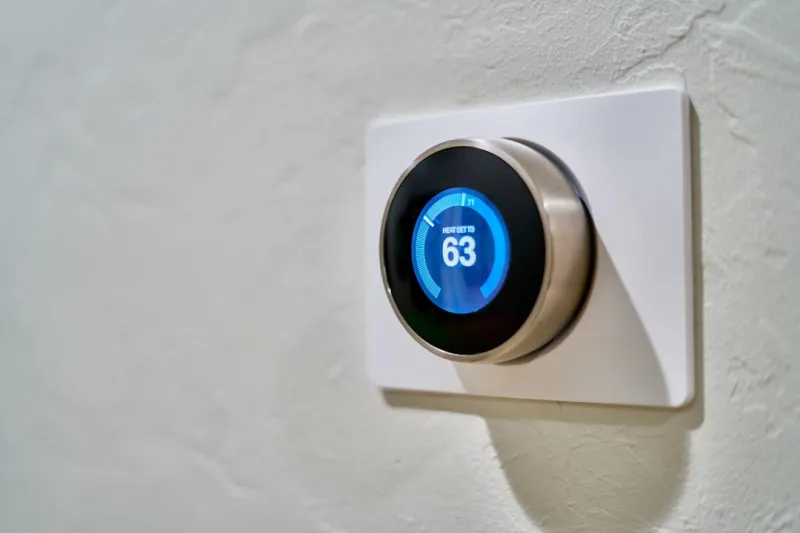
Smart, Sustainable Heating & Cooling: Trends, Tech, and Tips for Modern Homes
Explore cutting‑edge HVAC strategies—from smart thermostats to renewable integrations—that del... Read More
How Smart HVAC Choices Protect Your Health and Wallet
A fresh look at HVAC: learn why smart thermostats, zoning, and regular maintenance safeguard health,... Read More
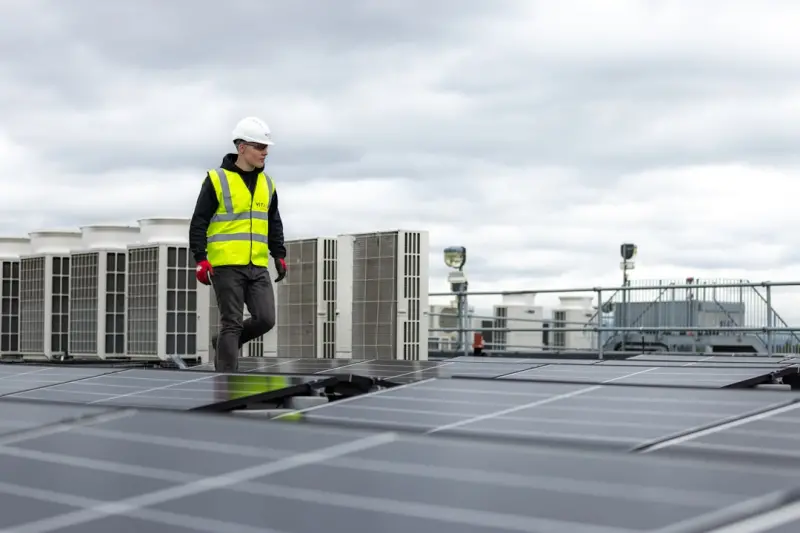
Unlocking the Strategic Power of Predictive HVAC Management
A deep dive into turning heating and air‑conditioning systems into strategic assets through predic... Read More
Top Posts
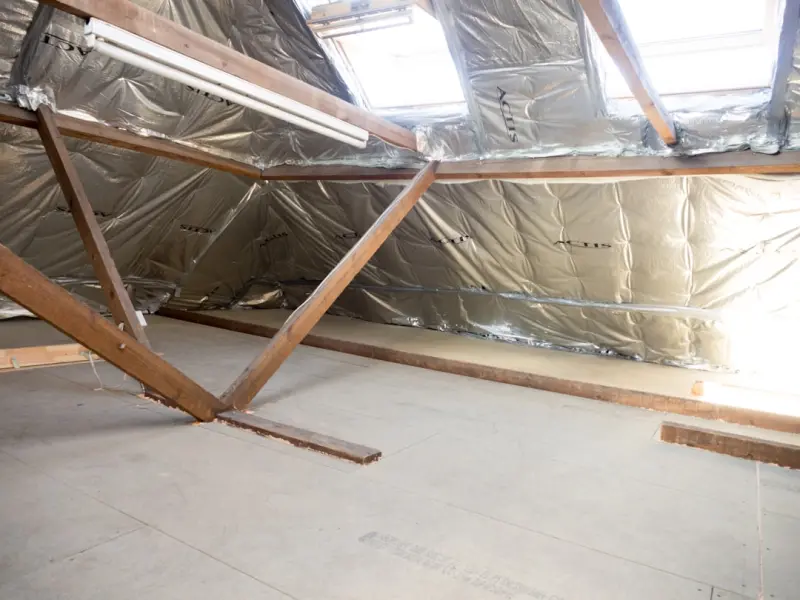
Beyond the R-Value: Insulation as a Wellness and ESG Catalyst
Insulation today does more than keep heat in; it enhances indoor air quality, acoustic comfort, and sustainability metrics. Learn how advanced materials and sen...Read More

Living Boundaries: How Adaptive Fencing Is Redefining Outdoor Spaces
Adaptive fencing is transforming traditional barriers into dynamic, data‑rich, and sustainable assets. Discover how smart sensors, solar panels, living walls,...Read More
Rooftop Gardens: The Next Frontier in Home Additions
Turning an underused roof into a green oasis can lower energy costs, improve air quality, and add lifestyle value. This guide walks you through structural prep,...Read More

Silent Walls: The Rise of Acoustic Wallpaper in Modern Interiors
Acoustic wallpaper offers a thin, design‑forward solution that absorbs noise while enhancing interior aesthetics, providing measurable productivity gains and ...Read More
0 Comments
Post Comment
You will need to Login or Register to comment on this post!