
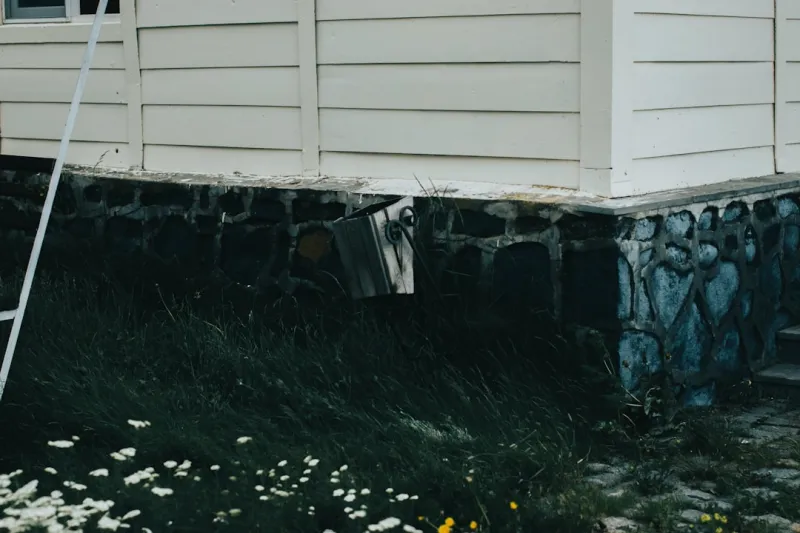
Why Ignoring Foundation Cracks Is a Recipe for Disaster
When I first pulled back a curtain of drywall in an older ranch home, I saw a hairline crack spider‑webbing across the living‑room floor and felt an immediate knot in my stomach; those tiny fissures are often the first whisper of a foundation that’s shifting under the weight of time, moisture, and soil movement. Foundation integrity is the silent backbone of any structure, and when it begins to falter, everything from door alignment to ceiling stability starts to suffer, creating a cascade of costly repairs that could have been avoided with early detection. I’ve spent years watching homeowners dismiss these signs as “just normal settling,” only to watch the problem balloon into a full‑blown structural emergency that eats into budgets and peace of mind alike. Recognizing the urgency now, rather than later, can mean the difference between a simple repair and an extensive reconstruction project.
Reading the Signs: How to Diagnose a Troubled Foundation
Every seasoned contractor learns to read a home like a book, and the first chapter I examine is the foundation’s visible symptoms: uneven floors that bounce underfoot, doors that won’t latch, and windows that stick in their frames—all classic clues that the underlying slab is moving. The most reliable tell‑tale is a series of stair‑step cracks in the concrete, which often indicate differential settlement caused by moisture‑laden soil expanding and contracting beneath the home. I also pay close attention to the exterior, where gaps between the foundation and the siding, as well as bulging or bowing walls, can reveal hidden pressures that will eventually force the structure to shift. By coupling these visual cues with a simple level test on interior floors, I can map out the extent of movement before it escalates into a structural crisis.
Soil, Water, and the Hidden Forces That Undermine Your Home
The relationship between soil type, water drainage, and foundation stability is a delicate dance that I’ve come to respect as the core of any successful repair strategy; expansive clays swell with rain, while sandy soils can erode away, both creating voids that leave the foundation hanging precariously. Understanding the local geology allows me to recommend targeted solutions, such as installing perimeter drainage systems that divert water away from the footings, or using moisture‑curtain membranes that act as a barrier between the soil and the slab. In today’s market, sustainable waterproofing is not just a buzzword—it’s a necessity, and I often reference the latest insights in Waterproofing Trends: How to Keep Your Home Dry and Sustainable to guide homeowners toward eco‑friendly methods that protect both their foundation and the planet.
Choosing the Right Repair Method for Long‑Term Stability
When it comes to fixing a shifting foundation, there is no one‑size‑fits‑all solution; the choice hinges on the severity of movement, the soil conditions, and the homeowner’s budget, and I always start with the least invasive option that promises lasting results. For modest settlement, helical piers or push piers can be installed beneath the slab, providing immediate support while allowing the structure to settle evenly over time, a method that also reduces the need for extensive concrete removal. In cases where the slab has cracked severely or sunk significantly, slab jacking—injecting a high‑density foam or grout—can lift the floor back to its original elevation, a technique that aligns with sustainable practices by reusing existing materials rather than tearing out and rebuilding. Throughout each project, I make it a point to document the process, ensuring transparency and empowering homeowners to understand the long‑term benefits of each method.
Gutters: The Unsung Heroes Protecting Your Foundation
One of the most common oversights I encounter is the lack of a proper gutter system, which leaves rainwater to cascade directly onto the foundation, saturating the soil and accelerating the expansion‑contraction cycle that fuels settlement; a well‑designed gutter setup is essentially a first line of defense against foundation damage. By directing water at least six feet away from the footings, you not only preserve the integrity of the slab but also reduce the risk of basement flooding and mold growth—issues that can compound repair costs dramatically. I often point clients to resources like Why Your Gutters Need a Sustainable Upgrade, which outlines how modern, eco‑friendly gutter solutions can be both functional and environmentally responsible, turning a simple rain‑water diversion system into a sustainable asset for the whole property.
Preventive Maintenance: Turning Repairs into an Ongoing Routine
After a foundation repair is complete, the work doesn’t stop; I counsel every homeowner to adopt a disciplined maintenance schedule that includes seasonal inspections of both the interior and exterior of the house, ensuring that any new cracks or moisture intrusions are caught early before they become costly emergencies. Simple actions—like checking the grading around the house to maintain a gentle slope away from the foundation, testing sump pump functionality annually, and monitoring indoor humidity levels—can dramatically extend the life of the repair and safeguard the investment for decades. By treating foundation care as a routine part of homeownership, rather than an occasional crisis response, you create a proactive culture that reduces stress and preserves property value.
The True Cost of Neglect: ROI on Sustainable Foundation Solutions
From my perspective, the financial equation of foundation repair is simple: the upfront cost of a well‑executed, sustainable fix is dwarfed by the long‑term savings realized through avoided structural damage, lower energy bills, and higher resale value; a stable foundation also means fewer drafts and more efficient heating and cooling, which translates into tangible utility savings year after year. When I incorporate green materials—such as recycled aggregate concrete or low‑VOC sealants—the environmental impact drops, and many homeowners qualify for local incentives that further offset expenses. In my experience, properties that have undergone thoughtful, sustainable foundation work often command a premium on the market, reflecting buyers’ confidence in structural soundness and eco‑conscious upgrades alike.
Take the First Step: Partner with a Trusted, Sustainable Contractor
If you’re spotting any of the warning signs I’ve described, don’t wait for the problem to worsen; reaching out to a contractor who blends technical expertise with a commitment to sustainable practices is the smartest move you can make for your home’s future. I’m always ready to perform a thorough assessment, explain the science behind each recommended solution, and walk you through the entire repair timeline with clear, jargon‑free communication. Together, we can design a repair plan that not only restores your foundation’s strength but also aligns with your values of durability, efficiency, and environmental stewardship. Let’s protect the heart of your home before the cracks become a costly story you wish you could rewrite.

Tom Ferguson is a Canadian freelance writer with a passion for storytelling, current events, and thoughtful commentary. Drawing on years of writing experience, he shares engaging insights on a wide range of topics, bringing a uniquely Canadian perspective to his work.
Related Posts

From Cracks to Confidence: Leveraging Sensor Tech for Proactive Foundation Care
A stable foundation is the unsung hero of any commercial building. Learn how modern sensor technolog... Read More

The Hidden Layers: A Holistic Blueprint for Smarter Foundation Repair
Explore how integrating soil science, adaptive materials, smart sensors, and proactive water managem... Read More

Foundation Health: Turning Hidden Risks Into Strategic Assets
A deep dive into proactive foundation repair, from early warning signs to data‑driven monitoring, ... Read More
Top Posts

The Benefits of Sustainable Landscaping: A Path to Environmental Stewardship
Sustainable landscaping is more than just a trend; it's a critical approach to maintaining a healthy and thriving outdoor space. Learn how to create an eco-frie...Read More
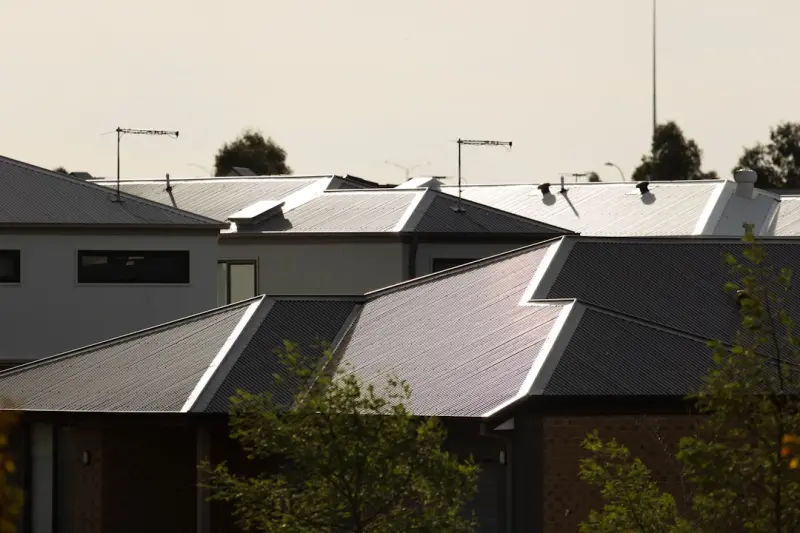
Rethinking Roofs: From Passive Shield to Active Asset
This article reveals how modern roofing can evolve from a static cover into a data‑driven, climate‑smart, and modular platform that boosts sustainability, s...Read More

Crafting the Perfect Fence: A Personal Journey into Design, Sustainability, and Function
Explore the art of fence building with a focus on sustainable materials, smart design, and long‑lasting maintenance, turning a simple boundary into a standout...Read More
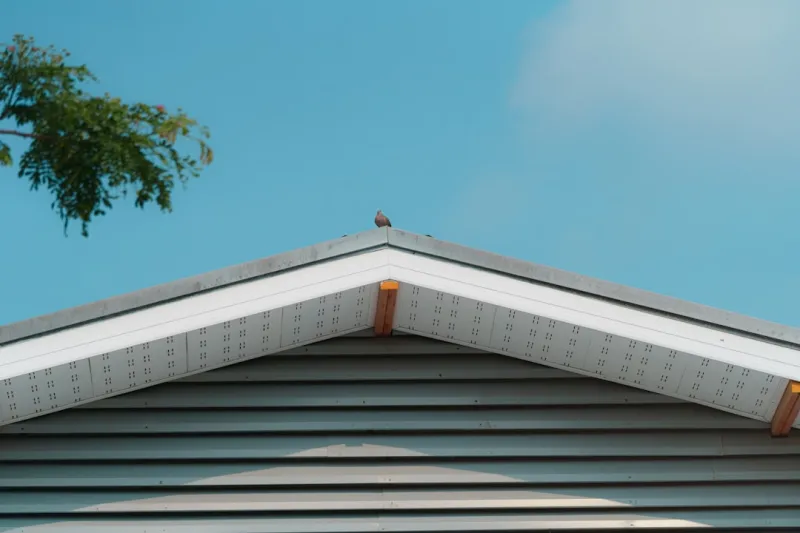
The Sustainable Homeowner’s Guide to Gutter Mastery
Discover why gutters matter, how to upgrade sustainably, and simple maintenance tricks that protect your home and the planet....Read More
0 Comments
Post Comment
You will need to Login or Register to comment on this post!