
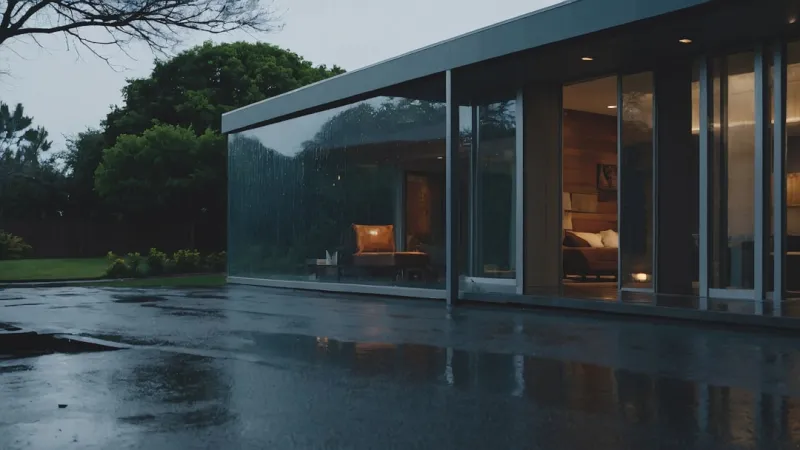
Why Waterproofing Is the Unsung Hero of Every Sustainable Home
When most homeowners think “green living,” they picture solar panels, recycled insulation, and low‑VOC paints. I’m Kelly Reynolds, and after a decade of renovating houses that breathe easier, I’ve learned that the real backbone of a resilient, eco‑friendly home is waterproofing. It’s the silent guardian that keeps mold‑free air, preserves structural integrity, and prevents the hidden waste of water‑damage repairs. Without a solid barrier against moisture, even the most energy‑efficient upgrades can falter, leading to costly setbacks that undermine sustainability goals. In this post, I’ll walk you through the latest waterproofing trends, why they matter for the planet, and how you can future‑proof your space without breaking the bank.
The Cost of Ignoring Moisture: Hidden Risks and Real‑World Consequences
Moisture may seem harmless, but it’s a stealthy adversary. I’ve seen basements transform into mushroom farms within months of a minor leak, and a single damp patch can compromise load‑bearing walls, leading to expensive structural repairs. Beyond the financial hit, mold spores infiltrate indoor air, aggravating allergies and respiratory issues—an outcome at odds with any health‑focused renovation. Moreover, water damage often forces homeowners to replace flooring, cabinetry, and even electrical systems, generating needless waste that ends up in landfills. By prioritizing waterproofing early, you protect both your wallet and the environment, creating a home that truly stands the test of time.
Common Vulnerabilities: Where Water Finds Its Way In
Even the best‑built homes have weak points. From my experience, the top three entry spots are:
- Foundation cracks—tiny fissures that expand with seasonal temperature shifts.
- Improperly sealed window and door frames—especially in older homes where caulking has degraded.
- Insufficient drainage grading around the property, causing water to pool near the foundation.
Identifying these hotspots during a walkthrough can save you from a cascade of problems later. I always recommend a moisture meter test and a visual inspection of exterior grading before committing to any major renovation.
Eco‑Friendly Waterproofing Materials That Are Trending Right Now
Gone are the days of heavy‑duty tar and chemically aggressive sealants. Today’s market offers bio‑based membranes, recycled‑rubber underlayments, and low‑VOC liquid waterproofing systems that perform just as well—if not better—than their traditional counterparts. One product I love is a plant‑derived polyurethane coating that creates a flexible, breathable barrier, allowing walls to “breathe” while keeping water out. For those tackling larger projects, a spray‑applied, water‑based membrane can cover complex rooflines with minimal waste. To see how these solutions fit into a broader weather‑proofing strategy, check out Weathering the Storm: A Comprehensive Guide to Home Weather Proofing. Integrating sustainable waterproofing not only protects your home but also aligns with a lower carbon footprint, because fewer repairs mean less material consumption over the lifespan of the building.
DIY vs. Professional Installation: Knowing When to Call a Pro
There’s a strong DIY culture in the home‑improvement world, and I respect that spirit. Simple tasks like resealing a bathtub or applying a liquid membrane on a small balcony can be tackled with the right tools and a solid how‑to guide. However, when it comes to foundation waterproofing or large‑area roof systems, the margin for error narrows dramatically. A misapplied membrane can trap moisture inside walls, leading to hidden rot. If you’re considering a bathroom overhaul, the Sustainable Approach to Bathtub Refinishing article offers insight into when a professional’s expertise can make a difference—especially when integrating waterproofing layers with eco‑friendly finishes.
Integrating Waterproofing with Sustainable Renovations
When you’re already planning a green remodel, waterproofing should be a cornerstone of the design, not an afterthought. In my recent project turning a dusty attic into a solar‑powered office, we installed a vapor‑permeable barrier beneath reclaimed‑wood decking, ensuring the space stayed dry while maintaining breathability. Pairing waterproofing with other sustainable upgrades—like low‑flow fixtures or recycled insulation—creates a synergistic effect, amplifying energy savings and durability. For a broader perspective on how green contracting reshapes home upgrades, take a look at Why Sustainable General Contracting Is the Future of Home Renovations. By treating waterproofing as an integral part of the sustainable workflow, you reduce the likelihood of future retrofits, which often consume additional resources.
Maintenance Hacks: Keeping Your Waterproofing System in Top Shape
Even the most advanced waterproofing layers require periodic attention. Here are three maintenance habits I recommend:
- Inspect exterior drainage after heavy rain—clear gutters and downspouts to prevent water pooling.
- Conduct an annual visual check of sealant joints around windows, doors, and bathroom fixtures; re‑apply where cracks appear.
- Use a moisture meter in basements and crawl spaces to catch early signs of infiltration before they become visible.
Sticking to a simple schedule can extend the life of your waterproofing by years, saving you the environmental cost of premature replacements. A small investment in regular upkeep pays off with a drier, healthier home environment.
Emerging Technologies: Smart Sensors and Self‑Healing Membranes
The waterproofing industry is getting a tech boost. Smart humidity sensors now embed within walls, sending alerts to your phone when moisture levels rise beyond safe thresholds. This real‑time data empowers homeowners to act before mold takes hold. Meanwhile, researchers are developing self‑healing membranes infused with micro‑capsules that release sealant when a crack forms—think of it as a “Band‑Aid” for your foundation. While still emerging, these innovations promise to reduce maintenance visits and extend the service life of waterproof barriers, aligning perfectly with the sustainability mantra of “do more with less.”
Putting It All Together: Your Roadmap to a Watertight, Sustainable Home
Waterproofing isn’t a one‑size‑fits‑all solution; it’s a strategic layer that complements every eco‑renovation decision you make. Start with a thorough audit of vulnerable areas, choose bio‑based or low‑VOC waterproofing products, and decide whether a DIY approach or professional installation best suits the scope of work. Integrate the waterproofing plan with other green upgrades, schedule regular maintenance, and stay informed about smart technologies that can alert you to problems before they worsen. By following this roadmap, you’ll safeguard your home’s structural health, protect indoor air quality, and contribute to a greener planet—all while keeping your renovation budget in check. Remember, a dry home is a happy home, and in the world of sustainable building, that’s the ultimate win.

Kelly Reynolds is a dynamic freelance writer hailing from the picturesque landscapes of Alberta. A master of the written word, she juggles her passion for storytelling with the exhilarating chaos of being a mother to five spirited children. With an impressive portfolio that spans various genres, Kelly captivates readers through her engaging blog posts and thought-provoking articles.
Related Posts
Reviving Old Walls: Modern Waterproofing Tactics for Historic Homes
Learn how breathable membranes, nanotech coatings, and smart maintenance keep historic homes dry, he... Read More
Waterproofing as a Strategic Asset: Data‑Driven Protection for Modern Facilities
Explore how integrating moisture sensors, AI analytics, and modular barrier systems transforms water... Read More
The Silent Shield: How Next‑Gen Waterproofing Is Transforming Commercial Spaces
A deep dive into modern waterproofing, covering intelligent membranes, integrated sensors, and a pra... Read More
Top Posts
Revamping Your Home's Aesthetic: A Comprehensive Guide to Interior Design
Get expert advice on revamping your home's interior with our comprehensive guide to interior design. Learn how to create a beautiful and functional space that r...Read More

Weather‑Smart Home Envelopes: Proven Strategies for Year‑Round Protection
A comprehensive guide to weather‑proofing your home, covering air tightness, water management, thermal continuity, and moisture control, with actionable steps...Read More

The Future of Masonry: How Sustainable Solutions Are Revolutionizing the Industry
The masonry industry is undergoing a significant transformation as it shifts towards sustainable solutions. Learn about the latest developments and innovations ...Read More
How to Retrofit Radiant Floor Heating for Comfort and Savings
A hands‑on guide to planning, installing, and testing retrofitted radiant floor heating, with budgeting tips, system choices, and common pitfalls to avoid....Read More
0 Comments
Post Comment
You will need to Login or Register to comment on this post!