
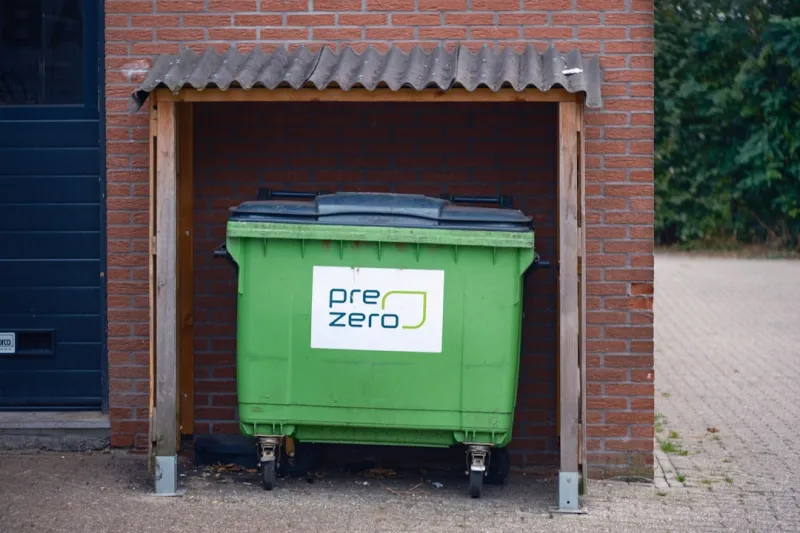
Understanding the Role of Gutters in a Sustainable Home
When I first stepped onto a renovation site, the most overlooked element that kept popping up was the gutter system, a silent workhorse that directs rainwater away from a structure’s foundation. Properly designed gutters do more than protect walls; they preserve the soil, prevent mold, and maintain the health of surrounding landscaping, all of which are critical to a truly sustainable build. In my experience, neglecting this component can turn a green renovation into a costly water‑damage nightmare, especially in regions that experience heavy seasonal downpours.
The science behind water flow is simple yet often misunderstood: gutters collect runoff, channel it through downspouts, and disperse it at a safe distance from the home’s footprint. When the system is undersized, clogged, or installed at the wrong pitch, water backs up, seeps into basements, and erodes the very ground that supports the building. I have seen homes where a single clogged downspout caused foundation cracks that required extensive excavation—an avoidable expense if the gutter had been maintained with foresight.
Beyond protection, gutters are a conduit for harvesting rainwater, a practice that aligns perfectly with sustainable living goals. By integrating a rain barrel or a cistern at the downspout outlet, homeowners can capture thousands of gallons each year for irrigation, flushing toilets, or even laundry, dramatically reducing municipal water demand. This synergy between water management and energy conservation is why I champion gutter upgrades as a cornerstone of any eco‑focused remodel.
Eco‑Friendly Materials and Design Choices
Choosing the right material for your gutters can make a substantial environmental impact while enhancing durability. Recycled aluminum and galvanized steel are top contenders because they offer a high recycled content, resist corrosion, and can be reclaimed at the end of their service life; they also require far less energy to produce than new copper or PVC alternatives. When I specify these materials, I also recommend powder‑coated finishes that eliminate harmful solvents and extend the lifespan of the system.
Design matters just as much as material, especially when you aim to reduce maintenance and improve efficiency. Seamless gutters, fabricated on‑site to match the exact length of the roof run, eliminate joints where debris can accumulate, thereby cutting down on cleaning frequency. Pairing them with leaf guards or mesh screens creates a barrier against leaves and twigs, and the result is a self‑cleaning system that stays functional through the storm season. For deeper insight into how waterproofing works hand‑in‑hand with gutter performance, check out modern waterproofing strategies that complement these upgrades.
Integration with the roof’s overhang and the building’s drainage plan is essential to avoid “water pooling” that can undermine green roofs or rain gardens. By calculating the proper slope—typically a quarter inch per ten feet—you ensure that water travels swiftly toward the downspout, minimizing stagnation that encourages algae and mosquito breeding. In my projects, I often coordinate with roofing specialists to align gutter placement with ridge vents and eave extensions, creating a holistic system that respects both form and function.
Smart Maintenance and Future‑Proofing
Even the most robust gutter system demands a proactive maintenance schedule, and I treat it like a seasonal health check for the home. A quick visual inspection after the first heavy rain can reveal leaks, sagging sections, or blocked downspouts, while a more thorough cleaning in early spring removes accumulated debris before the melt begins. To make this process less labor‑intensive, I’ve started recommending smart sensors that alert homeowners via a mobile app when water backs up or flow slows, turning a reactive chore into a predictive service.
Cleaning gutters shares many best practices with duct cleaning, especially regarding safety and the use of eco‑friendly tools. For those looking to adopt a greener approach, the guidelines in The Sustainable Contractor’s Guide to Duct Cleaning apply directly: use low‑pressure vacuum systems, avoid harsh chemical cleaners, and recycle the debris whenever possible. By treating the gutter as part of the home’s “air‑handling” network, you ensure that every component works efficiently, reducing the risk of moisture‑related issues that can compromise indoor air quality.
Looking ahead, I see gutters evolving into fully integrated components of the smart home ecosystem, communicating with rain sensors, irrigation controllers, and even solar inverters to optimize water and energy usage. Future‑proofing means selecting modular downspout extensions that can accommodate rain barrels or green walls as your property’s sustainability goals expand. The key takeaway is that a well‑designed gutter isn’t just a static pipe—it’s a dynamic, adaptable system that can evolve with your home’s eco‑ambitions.

Lifan Chen is a freelancer based in Toronto specializing in marketing. With expertise in crafting effective marketing strategies and campaigns, Lifan helps businesses grow their brand presence and reach target audiences. As a Toronto-based freelancer, Lifan combines local market insights with creative marketing skills to deliver tailored solutions for clients.
Related Posts
Smart Gutters: Turning Rain Into Data, Energy, and ESG Wins
Gutters are evolving from passive rain chutes into intelligent assets that harvest water, generate d... Read More
Smart Gutter Management: Turning Rainfall Into Data‑Driven Asset Protection
Explore how smart sensors, digital twin integration, and predictive maintenance turn ordinary gutter... Read More

Harvesting Rain: Turning Your Gutters into a Home Water Resource
Discover creative ways to upgrade, maintain, and beautify gutters—turning them into a reliable rai... Read More
Top Posts

Restoring Furniture for a Circular Future: Craft Meets Tech
Discover the fusion of traditional craftsmanship and cutting‑edge technology in furniture restoration, and learn how this approach creates sustainable, storyâ...Read More

The Unseen Path to Cleaner Air: A Homeowner’s Guide to Duct Cleaning
Explore the hidden impact of dirty ducts, learn to spot signs, and get expert advice on DIY checks and hiring the right cleaning service....Read More

Self‑Healing Concrete: The Next Frontier in Resilient Infrastructure
A deep dive into groundbreaking concrete technologies—self‑healing mixes, carbon capture, 3D printing, and smart sensors—showcasing how they’re redefini...Read More

Deck‑Enabled Micro‑Retreats: Crafting a Personal Wellness Oasis
A guide to turning your deck into a personal wellness oasis, blending nature, technology, and design for year‑round mental and physical health benefits....Read More
0 Comments
Post Comment
You will need to Login or Register to comment on this post!