
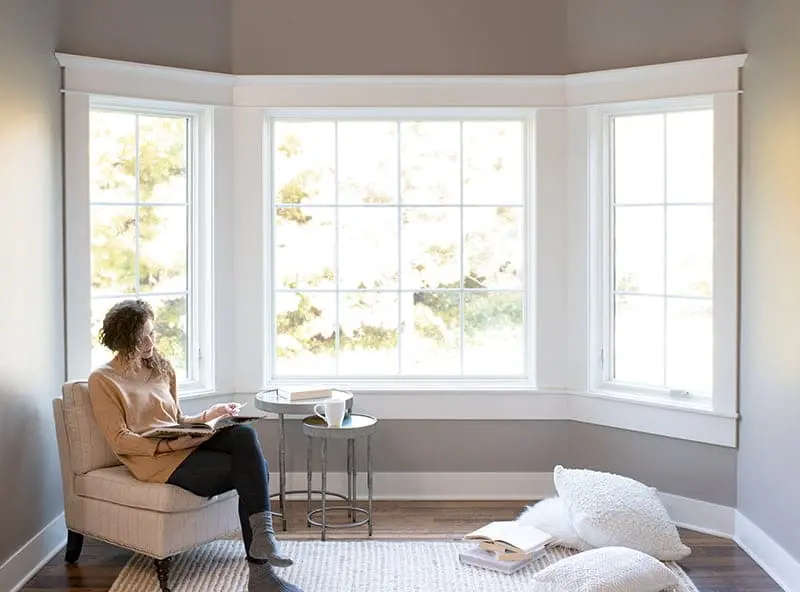
When we think about windows and doors, the first images that come to mind are often glossy finishes, striking designs, or the latest smart‑home gadgets. Yet, beneath those surface attractions lies a quieter, more profound influence on the very air we breathe and the light that shapes our daily rhythm. Passive ventilation and natural illumination aren’t just aesthetic bonuses; they are silent architects of wellness, regulating temperature, reducing pollutants, and even uplifting mood without a single watt of electricity. In this article I’ll walk you through the subtle science of framing, placement, and material choices that turn ordinary openings into health‑boosting assets, all while keeping the approach grounded in practical, hands‑on craftsmanship.
Passive Ventilation: The Quiet Engine of Comfort
Strategic window placement creates a natural stack effect, where warm air rises and escapes through higher openings while cooler air is drawn in from lower points, establishing a continuous flow that refreshes interiors without mechanical aid. By aligning cross‑ventilation paths—such as placing operable windows on opposite walls—you invite breezes that sweep away indoor odors, humidity, and airborne contaminants, fostering an environment that feels both cooler in summer and cozier in winter. The science is simple: the greater the vertical distance between intake and exhaust, the stronger the draft, which means even a modestly sized bedroom can benefit from a well‑positioned high‑rise window paired with a low‑sill vent.
Frame Materials and Indoor Air Quality
The choice of framing material directly impacts the health of your home’s envelope, as each substrate interacts differently with moisture, temperature shifts, and off‑gassing compounds. Wooden frames, when properly sealed, breathe naturally and regulate humidity, but they demand vigilant maintenance to prevent rot and mold—issues that can release spores into living spaces. In contrast, aluminum offers durability and low upkeep but can conduct heat, leading to condensation on interior glass surfaces if not paired with thermal breaks. Fiberglass emerges as a hybrid champion, marrying strength with minimal thermal transfer, reducing the likelihood of condensation buildup that often fuels mold growth. Selecting the right material, therefore, is a proactive step toward preserving indoor air quality and preventing the hidden health hazards that linger in damp corners.
Doorway Design for Natural Light Flow
While windows are the primary light harvesters, doors—especially those featuring glass panels, transoms, or sidelights—serve as secondary conduits that diffuse daylight deep into hallways and rooms otherwise shrouded in shadow. A door with a full‑height glass insert can double the illumination on an adjacent wall, cutting the need for artificial lighting during daylight hours and reducing eye strain. Even modest additions, such as a narrow transom above a solid‑core door, can channel sunrise rays across a breakfast nook, creating a subtle but measurable uplift in mood. The key lies in balancing privacy with permeability: frosted or patterned glass offers visual privacy while still allowing light to permeate, ensuring that aesthetic preferences do not compromise the therapeutic benefits of natural illumination.
Seasonal Adjustments Without Smart Tech
Modern homes often rely on automated systems, but simple, manual adaptations can dramatically enhance comfort throughout the year, keeping energy bills modest and maintenance straightforward.
- Summer shade: Install retractable awnings or exterior shutters to block high‑angle sun, lowering indoor temperatures without sacrificing airflow.
- Winter guard: Apply magnetic storm panels to existing windows for an extra insulating layer, then use draft stoppers at the base of doors to seal cold drafts.
- Fall ventilation: Open interior transom windows during cool evenings to create a gentle night‑time flush that clears indoor pollutants.
These low‑tech tactics preserve the passive nature of ventilation while giving homeowners control over seasonal comfort, demonstrating that you don’t need a smartphone to reap the benefits of thoughtful design.
Integrating Green Elements into Frames
Biophilic design, the practice of weaving nature into built environments, can be elegantly expressed through windows and doors by embedding plant life directly into the framing system. Window boxes filled with herbs or trailing vines not only add visual charm but also act as natural air filters, absorbing carbon dioxide and releasing oxygen. Similarly, a door surrounded by a narrow planter—think a shallow trough filled with succulents—creates a micro‑climate that moderates temperature swings across the threshold. These living frames become dynamic components, continuously improving indoor air quality while reinforcing a connection to the outdoors, a psychological boost that modern, sterile interiors often lack.
Maintenance Habits That Preserve Health
Consistent upkeep is the unsung hero of a healthy window‑and‑door ecosystem. Begin with a quarterly cleaning routine that removes dust and pollen from tracks and hinges, preventing these particles from re‑entering the air stream during operation. Sealant inspections should be performed at least twice a year; cracked caulking invites moisture, which can foster mold growth on surrounding walls. Additionally, lubricate moving parts with a silicone‑based spray to ensure smooth operation, reducing the effort needed to open windows for ventilation. For a comprehensive approach, refer to the renovation checklist, which outlines a step‑by‑step plan for safeguarding your openings during larger remodels.
Case Study: A Home Transformation Using Old‑World Doorcraft
Consider the recent project I tackled in a historic cottage, where the original solid‑oak doors had warped over decades, obstructing airflow and dimming interior spaces. By salvaging reclaimed doors from a nearby barn—a nod to the techniques highlighted in vintage doors—we restored the frames with modern weatherstripping, preserving their rustic charm while dramatically improving seal integrity. The new doors featured narrow glass inserts that introduced morning light into the once‑gloomy hallway, and their increased clearance allowed cross‑ventilation to flow freely between the kitchen and living room. Within weeks, the homeowner reported lower allergy symptoms and a noticeable reduction in reliance on ceiling fans, underscoring how thoughtful door craftsmanship can directly elevate health and comfort.
Future‑Proofing with Passive Strategies
Looking ahead, the most resilient homes will be those that blend timeless passive techniques with contemporary sensibilities, rather than leaning solely on digital solutions. By prioritizing optimal placement, choosing low‑emission frame materials, and embracing natural light through innovative door designs, homeowners lay a foundation that endures climate fluctuations and evolving health standards. The subtle power of windows and doors lies in their ability to work silently, day after day, shaping the micro‑environment that surrounds us. So the next time you glance at a pane of glass or a sturdy door, remember: you’re not just looking at an opening, you’re witnessing a quiet engine of wellness that, when tuned correctly, can transform your entire home.

David MacKinnon is a dynamic freelance writer known for his captivating storytelling and keen insights into the world of technology. With a passion for exploring the intersection of innovation and everyday life, he crafts engaging narratives that not only inform but also inspire his readers.
Related Posts

Closing the Loop: How Circular Design is Transforming Windows & Doors
A deep dive into circular design for windows and doors, covering recycled materials, design for disa... Read More
Reimagining Windows & Doors: Sustainable Design Meets Modern Living
Explore the latest trends in windows and doors, from eco‑friendly materials and smart integration ... Read More

The Next Frontier: Smart Windows & Doors as Building Interfaces
Smart windows and doors are evolving from passive barriers into active, data‑rich interfaces that ... Read More
Top Posts

Quiet Walls, Peaceful Homes: Mastering Acoustic Design in Modern Construction
A deep dive into acoustic-friendly construction, covering wall assemblies, floor decoupling, window upgrades, and smart tech to help homeowners build quieter, h...Read More

Beyond the Blueprint: Data‑Driven Commercial Renovations That Pay Off
A data-first approach to commercial renovations leverages occupancy sensors, energy analytics, and modular design to deliver faster ROI, higher employee satisfa...Read More
The Bathroom Renaissance: Turning Everyday Spaces into Wellness Sanctuaries
A bathroom can be more than a functional room; it can become a wellness sanctuary. This guide walks you through sensory design, circular‑economy materials, in...Read More

Crafting a Personal Microclimate: Smart, Sustainable Weather Proofing for Your Home
Discover a holistic, data‑driven approach to home weather‑proofing that blends windbreaks, green walls, smart moisture sensors, and adaptive shading to buil...Read More
0 Comments
Post Comment
You will need to Login or Register to comment on this post!