
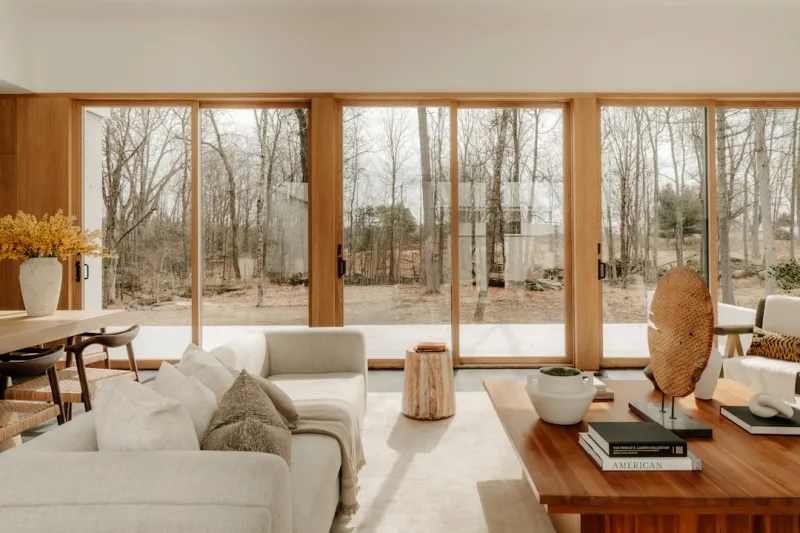
Why Windows & Doors Deserve a Fresh Narrative
When I first stepped onto a renovation site, the towering frames of windows and doors whispered stories of missed opportunities—missed chances to trap sunlight, seal drafts, and frame a home’s personality. Modern homeowners are no longer satisfied with generic, one‑size‑fits‑all installations; they crave solutions that marry aesthetics, performance, and sustainability in a single, elegant package. Over the past few years, I’ve watched the market pivot dramatically, and my own projects now read like case studies of how thoughtful fenestration can transform comfort, curb energy bills, and elevate curb appeal—all while honoring the planet.
Choosing the Right Materials for Longevity and Green Credentials
Materials have become the first decisive factor in my design conversations, and the options are richer than ever: reclaimed wood, ultra‑low‑emissivity (low‑E) glass, recycled aluminum, and even bio‑based composites that mimic the warmth of timber without the resource drain. Each choice carries its own lifecycle footprint, from extraction to end‑of‑life recyclability, so I lean toward products that earn third‑party certifications like FSC or Cradle‑to‑Cradle. For instance, a reclaimed‑wood frame paired with double‑glazed low‑E glass can slash heat loss by up to 30 % compared with standard vinyl, while still delivering that timeless, handcrafted feel that many clients adore.
Energy Performance: The Real Money‑Saver Hidden in Your Walls
Beyond the visual appeal, the energy performance of windows and doors dictates how much you’ll spend on heating and cooling each year; a leak‑proof seal and high U‑value rating can be the difference between a comfortable home and a drafty nightmare. I always advise clients to run a comprehensive energy audit before selecting products, because the data reveals which façade orientation suffers the most heat loss and where solar gain can be harvested. By aligning high‑performance glazing with strategic shading devices, you can capture sunlight in winter while keeping interiors cool in summer—an elegant dance of physics that translates directly into lower utility bills.
Smart Integration: From Passive to Proactive Home Envelopes
The rise of home automation has turned windows and doors from passive barriers into proactive, data‑driven components of a smart ecosystem. Sensors now monitor temperature differentials, humidity, and even wind pressure, sending alerts to your phone when a seal is compromised or when condensation threatens the frame. In my latest project, a motorized skylight linked to a smart thermostat opened automatically during sunrise, boosting natural light and reducing reliance on electric lighting by 15 %. This seamless integration not only enhances comfort but also underscores the growing expectation that every building element should communicate with the whole house.
Aesthetic Trends: Balancing Minimalism with Warmth
Design trends in windows and doors are oscillating between sleek minimalism—think floor‑to‑ceiling glass panels with hidden hardware—and the resurgence of handcrafted details like wrought‑iron grilles or timber mullions that add depth and texture. Homeowners today love the ability to customize, swapping out grille patterns or choosing bold, colored frames that become a focal point of the façade. Yet, the best‑selling designs still prioritize natural light; large, unobstructed panes not only expand visual space but also create a psychological connection to the outdoors, a subtle nod to biophilic design principles that many of us cherish.
Retrofitting Existing Openings: Challenges and Wins
Most renovation stories begin with a pre‑existing structure, and retrofitting windows and doors can be a delicate balancing act of preserving historic character while upgrading performance. I often encounter tight tolerances where the original rough opening doesn’t match modern frame dimensions, forcing me to either shim or carefully enlarge the opening—a process that must respect structural integrity and local building codes. When done correctly, the payoff is immense: a well‑fitted, high‑performance unit can increase a home’s resale value by up to 5 % and dramatically improve indoor comfort, proving that thoughtful retrofits are as valuable as brand‑new installations.
Sustainability Beyond the Product: The Full Lifecycle Perspective
Choosing sustainable windows and doors isn’t just about the material label; it’s about the entire lifecycle—from manufacturing emissions to end‑of‑life recyclability. I encourage clients to ask manufacturers for embodied carbon data and to verify that the product can be disassembled and recycled at the end of its service life. Some brands now offer take‑back programs, retrieving old frames for refurbishment or material recovery, thereby closing the loop and reducing landfill waste. This cradle‑to‑cradle mindset aligns with broader green building standards and gives homeowners tangible proof that their investment contributes to a circular economy.
Budgeting Smartly: How to Leverage Energy Audits and Checklists
Financial planning for fenestration upgrades often feels overwhelming, but aligning your purchase with a solid renovation checklist can demystify the process. Start by allocating a portion of the budget to a professional energy inspection, which will pinpoint the most leak‑prone areas and help you prioritize where high‑performance windows will deliver the greatest return. By targeting the weakest points first, you avoid over‑investing in areas that already perform well, ensuring that every dollar spent contributes directly to comfort, savings, and sustainability.
Looking Ahead: A Call to Action for Homeowners and Builders
The window and door market is evolving faster than ever, and the convergence of sustainability, technology, and design offers a unique moment to rethink how we envelope our homes. Whether you’re embarking on a full‑scale remodel or simply swapping out an aging front door, consider the long‑term impact of your choices on energy use, indoor health, and the environment. Embrace high‑performance glazing, explore smart automation, and demand lifecycle transparency from manufacturers. By doing so, you’ll not only future‑proof your residence but also set a benchmark for neighbors and the industry alike.

Lifan Chen is a freelancer based in Toronto specializing in marketing. With expertise in crafting effective marketing strategies and campaigns, Lifan helps businesses grow their brand presence and reach target audiences. As a Toronto-based freelancer, Lifan combines local market insights with creative marketing skills to deliver tailored solutions for clients.
Related Posts
AI Meets Glass: Transforming Windows & Doors into Intelligent Building Assets
Discover how AI-powered sensors and analytics turn ordinary windows and doors into dynamic, energyâ€... Read More
How Windows and Doors Shape Your Home’s Health and Comfort
Explore the hidden ways windows and doors influence indoor air flow, natural light, and health—pra... Read More
Sustainable Windows and Doors: A Key to Energy Efficiency
Sustainable windows and doors are crucial for energy efficiency and reducing environmental impact. L... Read More
Top Posts

Powering the Future: How EV Charging Hubs Transform Commercial Buildings
A deep dive into why electric‑vehicle charging hubs are more than an amenity—showcasing the financial, technical, and strategic benefits for modern commerci...Read More

Elevating Commercial Spaces with Wallpaper
Wallpaper is no longer just a decorative finish; it offers acoustic dampening, thermal regulation, brand storytelling, and embedded technology, making it a stra...Read More

Reviving Soil for Lush, Resilient Lawns
A comprehensive, data‑informed approach to lawn care that starts with soil health, uses precise watering, native grasses, and organic practices for a greener,...Read More

From Sawdust to Smart Spaces: Reinventing Woodworking with Digital Tools
A deep dive into how digital design, CNC routers, AR visualization, and smart sensors are revolutionizing woodworking, merging traditional craftsmanship with cu...Read More
0 Comments
Post Comment
You will need to Login or Register to comment on this post!