
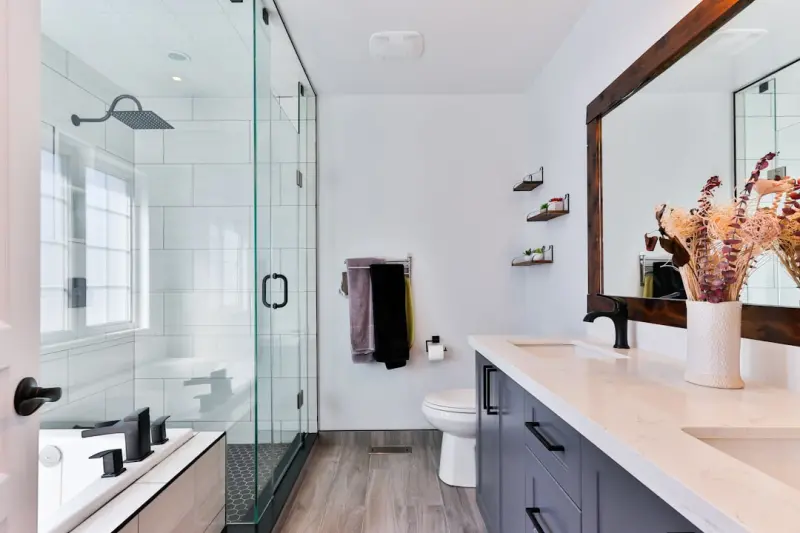
Why Your Bathroom Deserves a Full‑Scale Renaissance
When most homeowners think about renovation, the kitchen hogs the spotlight and the bathroom gets relegated to a quick‑fix checklist. I’ve been in the trenches of remodels for two decades, and I can tell you there’s a compelling business case for treating the bathroom like the centerpiece of a personal wellness studio. A thoughtful bathroom makeover does more than boost resale value—it reshapes daily routines, reduces water waste, and creates a private sanctuary that fuels productivity and mental clarity. This isn’t about installing a new vanity and calling it a day; it’s about orchestrating a holistic experience that marries timeless design, sustainable materials, and subtle technology without turning your bathroom into a smart‑home showroom.
Re‑Imagining the Space: From Functional Room to Sensory Retreat
First, let’s discard the old mental model that a bathroom’s sole purpose is to flush and rinse. Imagine stepping into a space that greets you with soft, natural light filtered through frosted glass, a gentle mist that feels like a spa, and acoustic elements that muffle the clatter of daily life. The biophilic approach—bringing nature inside—can be achieved with reclaimed wood panels, stone that feels cool underfoot, and plants that thrive in high‑humidity environments. The goal is to engage the five senses:
- Sight: layered lighting (ambient, task, accent) that mimics sunrise and sunset cycles.
- Sound: acoustic wall panels or water‑feature soundscapes that mask unwanted noise.
- Touch: tactile finishes like matte ceramics, brushed metal taps, and soft‑close drawers.
- Smell: subtle aromatherapy diffusers hidden behind the vanity.
- Taste: well, you won’t be tasting the tiles, but a well‑designed space reduces stress, which can improve appetite and overall health.
These sensory upgrades don’t require a budget that rivals a full home remodel. The key is intentionality: pick one element from each sense and integrate it gradually.
Materials That Tell a Story – Circular Economy Meets Luxury
One of the biggest pitfalls in bathroom renovations is reaching for the cheapest, mass‑produced fixtures that look cheap after a year. Instead, consider a circular economy mindset: source reclaimed or upcycled materials that bring character and longevity. Here are three strategies that have worked for my clients:
- Reclaimed Porcelain: Salvaged from older homes, these tiles can be re‑cut and polished, delivering a patina you simply can’t manufacture today.
- Re‑purposed Metal: Brass or copper pipe off‑cuts can be transformed into towel bars, faucet handles, or decorative accents, adding a handcrafted feel.
- Engineered Stone with Waste Content: Modern quartz composites now incorporate up to 30% recycled glass or concrete, reducing quarry extraction while maintaining durability.
Choosing such materials not only reduces landfill impact but also gives you a narrative to share with prospective buyers—something that modern homebuyers value more than a glossy brochure.
Designing for All Ages Without Compromising Style
Inclusive design often gets labeled as “accessible” and then mistakenly associated with institutional aesthetics. The truth is you can embed universal design principles—like slip‑resistant flooring, lever‑style faucets, and curbless showers—while preserving a high‑end look. My favorite trick is to use large‑format matte‑finish tiles on the floor and wall. Their smooth surface reduces trip hazards, yet the expansive format eliminates grout lines, creating a sleek, spa‑like appearance.
For families with seniors or small children, consider a bench built into the shower wall using the same tile as the surrounding surface. This provides a safe place to sit without the visual clutter of a separate piece of furniture. Pair it with a handheld showerhead on a sleek wall‑mount to give everyone the flexibility they need.
Water Conservation That Doesn’t Sacrifice Luxury
Water stewardship is no longer a niche concern; it’s a market expectation. While I won’t dive deep into the smart plumbing revolution, there are low‑tech, high‑impact ways to curb waste:
- Dual‑Flush Toilets: Choose models that give a 0.8‑gallon flush for liquids and a 1.3‑gallon flush for solids.
- Low‑Flow Aerators: Install aerators on existing faucets; they mix air with water, maintaining pressure while using less water.
- Greywater Capture: Route sink runoff to a small underground cistern that can feed the toilet flushing system.
These measures can shave off hundreds of gallons per month, translating to noticeable utility savings and a smaller environmental footprint.
Energy Efficiency Beyond the Faucet
Heat loss is a silent energy thief in bathrooms, especially in colder climates. While radiant floor heating is a popular solution, it’s not the only route to comfort. Dynamic insulation strategies such as installing insulated wall panels behind the vanity and using insulated glass for frosted windows can dramatically reduce heat transfer. Pair this with a heat‑recovery ventilator (HRV) that pre‑warms incoming fresh air using the exhaust air’s residual heat, and you have a system that feels warm without cranking the boiler.
Permit Navigation: Turning Red Tape Into Green Light
Renovations that touch plumbing or structural elements typically trigger permit requirements. Many homeowners get stuck waiting for approvals, causing budget overruns and schedule delays. My experience tells me that the best way to accelerate this process is to treat the permitting authority as a partner, not an obstacle. Build relationships with your local building department early—share your design intent, ask for clarification on ambiguous codes, and offer to provide extra documentation such as product certifications or energy‑performance calculations. For a deeper dive on relationship‑driven permitting, see permit navigation tips.
Technology That Serves, Not Distracts
While I’m a fan of smart solutions, I recommend a restrained approach. The goal is to make the bathroom intuitive, not a hub of notifications. Consider these subtle tech upgrades:
- Thermostatic Mixing Valves: They maintain consistent water temperature, eliminating the dreaded “cold shock” without requiring a digital interface.
- LED Lighting with Color Temperature Controls: A simple dimmer switch lets you shift from bright, cool light for morning routines to warm, amber tones for evening relaxation.
- Bluetooth‑Enabled Speakers Embedded in the Ceiling: Stream calming playlists without visible devices.
These features add convenience while preserving the serene aesthetic.
Staging the Renovation: Phased Implementation for Minimal Disruption
Full‑scale bathroom overhauls can be invasive, especially if you’re living on the same floor. A phased approach keeps daily life functional:
- Demolition & Structural Work: Complete this first; seal off the area with dust barriers.
- Plumbing & Electrical Rough‑Ins: Test all connections before walls go back up.
- Drywall & Insulation: Install moisture‑resistant drywall (green board) and any new insulation.
- Finish Work: Tile, fixtures, lighting, and accessories go in last.
By scheduling the most disruptive steps early, you free up the space for the final decorative phases, which can often be completed over a weekend.
Final Thoughts: Your Bathroom as a Business Asset
From a B2B perspective, a well‑executed bathroom renovation isn’t just a home improvement—it’s a strategic asset that can enhance employee wellness for office spaces, increase tenant satisfaction for multifamily properties, and differentiate short‑term rentals in a crowded market. By investing in sustainable materials, inclusive design, and thoughtful technology, you create an environment that supports health, productivity, and brand reputation. Remember, the bathroom is the only room you truly spend time in alone; make it a place you look forward to entering.

Tom Ferguson is a Canadian freelance writer with a passion for storytelling, current events, and thoughtful commentary. Drawing on years of writing experience, he shares engaging insights on a wide range of topics, bringing a uniquely Canadian perspective to his work.
Related Posts
Rethinking Bathroom Renovations: Turning Restrooms into Strategic Assets
A fresh look at bathroom renovations shows they’re more than a cosmetic upgrade; modular pods, sma... Read More
The Evolution of Bathroom Renovations: How Sustainable Practices Are Changing the Game
Learn about the growing trend of sustainable bathroom renovations and how to make your next project ... Read More
Why a Bathroom Should Feel Like a Personal Spa, Not Just a Functional Room
Why a Bathroom Should Feel Like a Personal Spa, Not Just a Functional Room When I first stepped into... Read More
Top Posts
Beyond the Blueprint: How Data-Driven Design is Redefining Commercial Renovations
A deep dive into the emerging framework of data‑driven commercial renovations, showing how sensor analytics, modular design, and employee‑centered strategie...Read More
Radiant Floor Heating: Comfort, Efficiency, and a Competitive Edge
Radiant floor heating is emerging as a quiet powerhouse in commercial spaces, delivering consistent warmth, health benefits, and measurable energy savings while...Read More

The Strategic Edge of Floor Heating in Modern Workspaces
Floor heating isn’t just a luxury—it’s a strategic asset that improves energy efficiency, employee comfort, and overall ROI. Learn how to integrate smart ...Read More

Solar Power for the Edge: Transforming Resilience and Performance
Solar energy is reshaping the edge of enterprise operations—from autonomous data‑center pods and self‑sustaining IoT meshes to solar‑infused micro‑gri...Read More
0 Comments
Post Comment
You will need to Login or Register to comment on this post!