
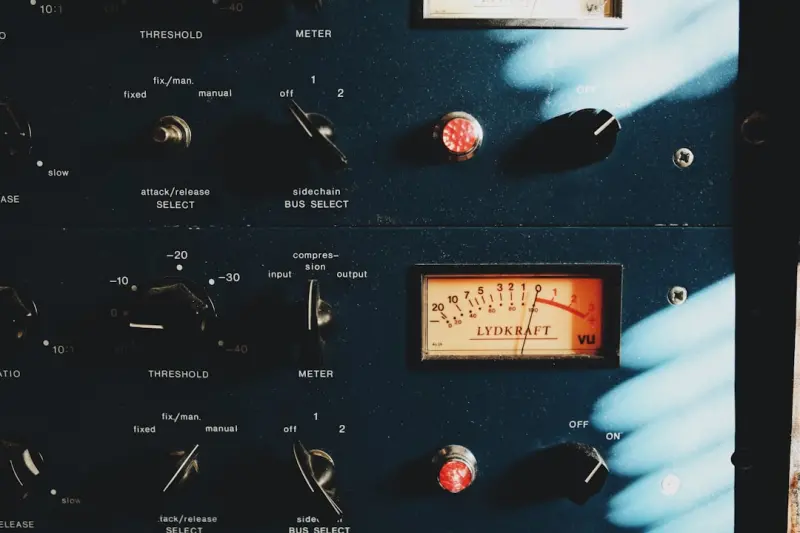
Why Your Electrical Panel Deserves a Second Look
Most homeowners treat the breaker box like a forgotten relic, hidden behind a painted door and rarely examined. Yet it is the command center of every light, appliance, and outlet, translating utility power into the safe, usable energy that powers daily life. Understanding its role not only prevents overloads and outages, but also unlocks opportunities to boost efficiency, lower utility bills, and future‑proof your home for emerging technologies.
Finding the Panel Without Turning It Into a Scavenger Hunt
The first step is simple: locate the panel, which typically lives in a utility closet, garage wall, or even a hallway closet, always mounted at eye level for quick access. Before you touch any wires, cut power at the main breaker and double‑check with a voltage tester to ensure the circuit is truly dead—safety isn’t a suggestion, it’s a rule. A quick visual scan for corrosion, loose connections, or burnt marks can reveal hidden issues before they become costly emergencies.
Decoding Breaker Labels and Load Balancing Basics
Many panels arrive with vague or missing labels, turning a routine switch flip into a guessing game. Take the time to map each breaker to its corresponding room or appliance, jotting notes on a simple spreadsheet or even a magnet‑backed whiteboard near the panel. This habit not only speeds up troubleshooting but also helps you understand load distribution—crucial when adding new high‑draw devices like a home office server or electric range.
The DIY Myth: When Hand‑On Work Is Safe and When It Isn’t
There’s a pervasive belief that any electrical work is best left to licensed electricians, but not all tasks require a permit or professional license. Replacing a faulty outlet, tightening a loose terminal screw, or swapping a standard breaker for a modern arc‑fault model can be safely performed by a diligent homeowner equipped with the right tools and knowledge. However, any work involving the main service disconnect, rewiring, or subpanel installation crosses the line into professional territory, and attempting it without proper credentials can void insurance and create hazards.
When to Upgrade: Signs Your Panel Is Outgrowing Its Capacity
If you’ve noticed frequent tripping, a lingering hum from the breaker, or an overload warning light flashing, these are red flags that your panel may be operating at or beyond its design limits. Adding a new air‑conditioning unit, electric vehicle (EV) charger, or a home‑theater system can push an older 100‑amp panel into dangerous territory, making a 200‑amp upgrade a prudent investment for both safety and resale value. Look for scorch marks, rust, or a panel that’s physically cramped—these are visual cues that the internal architecture needs breathing room.
Smart Breakers and Energy Monitoring: Bringing the Panel Into the Digital Age
Modern smart breakers and whole‑home energy monitors transform the traditional metal box into an interactive dashboard that streams real‑time consumption data to your phone. By installing a smart monitoring system, you can see which appliances are energy vampires and schedule them to run during off‑peak hours, cutting utility costs without sacrificing comfort. Pairing these tools with a reliable Wi‑Fi hub creates a feedback loop that empowers homeowners to make data‑driven decisions, turning a static panel into a proactive energy manager.
Dedicated Circuits for High‑Demand Devices: EV Chargers, Workshops, and More
Electric vehicles and high‑performance workshops demand dedicated 240‑volt circuits to operate safely and efficiently. Adding a new circuit involves sizing the wire gauge correctly, installing a compatible double‑pole breaker, and ensuring the conduit meets local code standards. This isn’t just about plugging in a charger; it’s about safeguarding your home’s electrical infrastructure against overheating, which can lead to fires. A well‑planned dedicated line also protects other circuits from voltage drops, preserving the longevity of both the charger and your existing appliances.
Future‑Proofing with Subpanels and Conduit Pathways
As technology evolves, so will the electrical demands of your household. Installing a subpanel in a finished basement or garage creates a modular expansion point, allowing you to add circuits without overloading the main board. Running conduit—preferably EMT or PVC—through walls and ceilings provides a protected pathway for future wires, making subsequent upgrades a painless affair. This forward‑thinking approach mirrors the principles found in seasonal fixes that boost comfort and value, where preparation today saves headaches tomorrow.
Wrapping Up: The Power of Knowledge and the Role of Professionals
Mastering your electrical panel doesn’t mean you become an electrician; it means you gain the confidence to spot issues early, perform safe minor repairs, and collaborate effectively with licensed pros when major work is needed. Regular visual inspections, accurate labeling, and strategic upgrades form a trifecta that enhances safety, efficiency, and home value. Remember, the panel is the heart of your home’s electrical system—treat it with respect, stay informed, and you’ll keep the lights on for years to come.

William Roy is a freelance writer originally from Montreal who moved to Ottawa with his wife of 50 years to be closer to their grandkids. Alongside his writing, William has a passion for fishing.
Related Posts
Electrical Safety and Home Restoration: A Comprehensive Guide
Electrical safety is crucial during home restoration. Learn how to prioritize electrical safety, pre... Read More
Powering Sustainable Homes: Modern Electrical Practices for the Eco‑Conscious
Learn how to upgrade your home’s wiring with sustainable practices, smart technology, and maintena... Read More
Electrify Your Home: Sustainable Upgrades That Cut Bills and Carbon
Explore the latest sustainable electrical upgrades—from smart lighting to renewable integration—... Read More
Top Posts

Solar Energy as a Strategic Business Asset: Turning Sunlight into Competitive Advantage
Solar isn’t just a green initiative; it’s a strategic asset that delivers predictable cash flow, risk mitigation, and new revenue streams. Learn how modular...Read More

Renovation Checklist: A Seven‑Stage Playbook for Adaptive‑Reuse Success
Discover a detailed seven‑stage renovation checklist designed for adaptive‑reuse projects, covering vision, audit, design, procurement, construction, commis...Read More

The Evolution of Decking: How Sustainable Practices Are Changing the Game
The decking industry has undergone a significant transformation, with a growing emphasis on eco-friendly options and sustainable practices. Learn about the evol...Read More

Beyond the Brush: Using Color Science to Transform Your Home
Learn to use the science of color to select paint hues that enhance mood, productivity, and wellbeing, while integrating sustainable options and smart testing m...Read More
0 Comments
Post Comment
You will need to Login or Register to comment on this post!