
Understanding Modern Electrical Demands
When I first started pulling wires on suburban jobs, the average home resembled a simple circuit board with a few lights, a furnace, and perhaps a single outlet for a television; today, a single residence can host a dozen smart devices, electric vehicle chargers, high‑efficiency heat pumps, and a network of Wi‑Fi‑enabled appliances, all competing for amperage and demanding a smarter distribution plan. This surge in load isn’t just a matter of adding a few extra outlets—it forces us to rethink panel capacity, conductor sizing, and the very architecture of a home’s electrical backbone, because an overloaded circuit can lead to nuisance tripping or, worse, a fire hazard that threatens everything we’ve built. In my experience, the most successful renovations begin with a thorough load‑calculation audit, a practice that uncovers hidden drains, verifies that the main service can handle the new load, and sets the stage for sustainable upgrades that pay dividends for years to come.
Why Sustainable Electrical Practices Matter
Beyond safety, the electrical system is a silent driver of a home’s carbon footprint; every kilowatt‑hour generated by a coal‑fired plant carries an environmental cost, so reducing the demand at the plug translates directly into lower emissions, and that’s where the concept of energy‑conscious wiring becomes a game‑changer for homeowners who care about the planet. By integrating high‑efficiency LED lighting, installing smart thermostats, and opting for variable‑speed motors on HVAC units, we can shave 20‑30 % off a typical household’s electricity usage without sacrificing comfort—a win‑win that also reduces utility bills and eases strain on the grid during peak hours. To deepen that impact, I often point clients toward resources like The Hidden Benefits of Sustainable Appliance Repair, which demonstrates how extending the life of existing equipment can defer the embodied energy of new manufacturing and keep valuable materials out of landfills.
Practical Upgrades for Everyday Homes
One of the most under‑appreciated upgrades I recommend is swapping out outdated 120‑volt receptacles for dedicated 240‑volt circuits for high‑draw appliances such as electric ranges or EV chargers; this not only ensures the system runs within safe parameters but also opens the door to future‑proofing, as many newer devices are designed to draw power more efficiently when supplied with the proper voltage. Pairing this with a whole‑home surge protector installed at the main panel guards sensitive electronics from voltage spikes, a small investment that can save thousands in replacement costs after a thunderstorm. For those looking to blend sustainability with convenience, the Handyman Hacks: Sustainable Fixes Every Homeowner Should Know guide offers step‑by‑step instructions on retrofitting older switches with dimmable, low‑voltage LED modules, turning every room into a smart‑ready environment without the need for a full remodel.
Integrating Smart Technology Without Waste
Smart home hubs and voice‑controlled assistants have become ubiquitous, but their proliferation can inadvertently increase standby power consumption, a phenomenon known as “vampire load”; the key is to choose devices that feature ENERGY STAR certification and provide robust scheduling options, allowing users to power down non‑essential circuits during overnight hours. I’ve seen installations where a single programmable relay, tied to a motion sensor, controls a suite of exterior lights and a water feature, cutting unnecessary draw by up to 40 % while still delivering the aesthetic appeal homeowners crave. Additionally, leveraging the data from smart meters enables precise tracking of usage patterns, empowering residents to identify peak times and shift discretionary loads—like running a dishwasher or laundry—into off‑peak windows, where electricity is often cleaner and cheaper.
Maintenance Tips That Save Energy and Money
Regular inspection of electrical connections is a habit I instill in every client: loose terminals, corroded contacts, and outdated wiring insulation are silent energy thieves that can cause voltage drops, forcing appliances to work harder and waste power; tightening connections and replacing compromised sections restores efficiency and prolongs the life of the system. Another often‑overlooked practice is the periodic cleaning of panel breakers and conduit pathways; dust accumulation acts as an insulator, raising operating temperatures and prompting premature wear, so a gentle vacuum or brush can keep the system cool and responsive. Lastly, I advocate for a yearly professional load‑balance review, especially after major upgrades, to ensure that the distribution of circuits remains optimal and that no single branch is consistently overloaded, which can lead to overheating and increased energy loss.
Future‑Proofing Your Wiring for the Next Generation
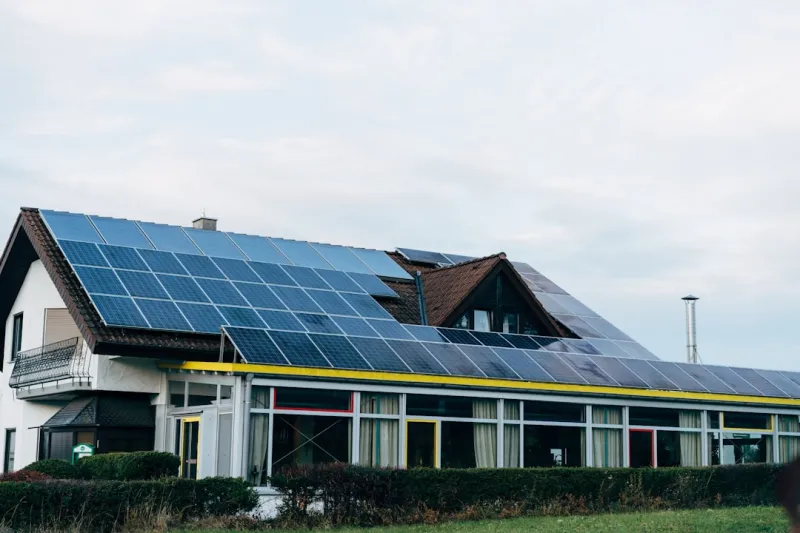
As renewable energy sources become more accessible, many homeowners are exploring rooftop solar arrays and home battery storage; to accommodate these technologies, the electrical infrastructure must support bidirectional flow and meet the stringent standards of modern inverters, meaning a panel upgrade to a higher amperage rating and the installation of a dedicated sub‑panel for renewable inputs. I also recommend wiring conduit pathways that allow for easy addition of future circuits, such as dedicated lines for potential home automation hubs, electric vehicle chargers, or even emerging technologies like hydrogen fuel‑cell backup systems—this foresight prevents costly wall demolition later on. By treating the electrical system as a living network rather than a static set of wires, we can embed scalability, resilience, and sustainability into the very fabric of a home, ensuring that today’s upgrades remain relevant and efficient for decades to come.

David MacKinnon is a dynamic freelance writer known for his captivating storytelling and keen insights into the world of technology. With a passion for exploring the intersection of innovation and everyday life, he crafts engaging narratives that not only inform but also inspire his readers.
Related Posts

Edge AI Powers Real-Time Electrical Load Balancing
Edge AI brings intelligence to the electrical panel, enabling real-time load forecasting, fault dete... Read More
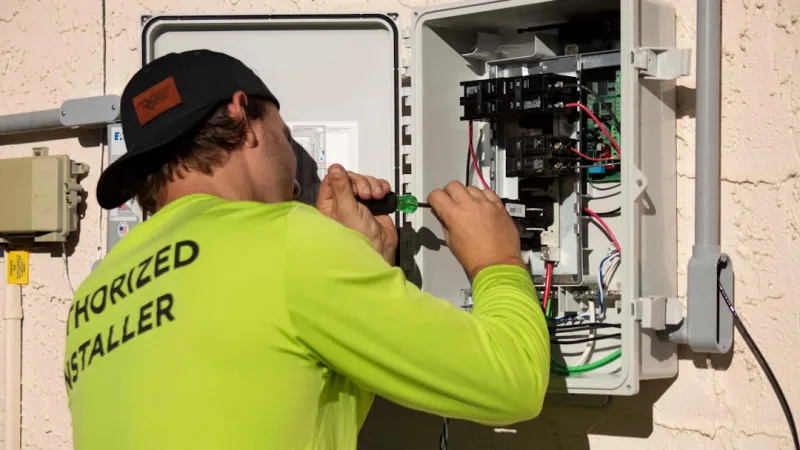
Electrical Safety and Home Restoration: A Comprehensive Guide
Electrical safety is crucial during home restoration. Learn how to prioritize electrical safety, pre... Read More
Electrifying the Future: How Dynamic Power Distribution Is Redefining Modern Workspaces
Dynamic power distribution replaces static circuits with modular, AI‑driven hubs, delivering realâ... Read More
Top Posts

A Sustainable Kitchen Renovation That Feels Like Home
A personal, step‑by‑step guide to a sustainable kitchen remodel, blending reclaimed materials, smart appliances, and cozy design for a space that’s both b...Read More

How Living Walls Transform Home Health and Productivity
Living walls turn ordinary walls into thriving ecosystems, offering space‑saving greenery, cleaner air, and a measurable boost to wellbeing and productivity....Read More

Flooring Strategies for Multi‑Generational Homes: Safety, Comfort, and Style
A practical guide to choosing and maintaining flooring that meets the safety, health, and aesthetic needs of every family member in a multi‑generational home....Read More

Backyard Structures: Turning Sheds & Gazebos Into Profitable Mini‑Enterprises
Explore a fresh business model that repurposes garden sheds and gazebos into pop‑up shops, craft workshops, or micro‑fulfillment hubs, complete with design ...Read More
0 Comments
Post Comment
You will need to Login or Register to comment on this post!