
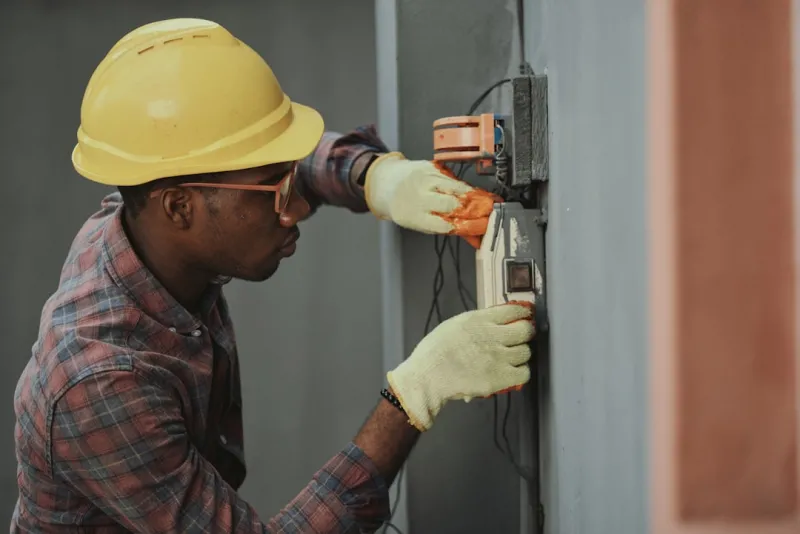
Why Electrical Systems Are the Next Frontier in Home Sustainability
When homeowners think about greening their houses, they often start with insulation or solar panels, but the electrical backbone of a home can be the biggest lever for cutting both costs and carbon. Old wiring, inefficient panels, and outdated fixtures create phantom loads that sap energy even when appliances are off, turning every kilowatt‑hour into wasted dollars and emissions. By re‑evaluating the entire distribution network—upgrading to high‑efficiency breakers, adding smart sub‑panels, and eliminating legacy circuits—homeowners can unlock savings that compound month after month, making the house not just greener but smarter.
Smart Lighting: From Ambiance to Energy Intelligence
LEDs have become the default, yet the real breakthrough lies in connected lighting systems that learn your habits and adjust brightness, color temperature, and occupancy automatically. Imagine lights that dim the moment you settle into a movie or brighten the hallway as you walk by, all without a flick of a switch; the result is a seamless blend of comfort and conservation. Pairing these fixtures with voice assistants or a centralized hub lets you monitor usage in real time, turning each room into a data‑rich environment where waste is instantly flagged and corrected.
Harnessing the Power of Home Energy Audits
Before any retrofit, a thorough energy inspection reveals hidden inefficiencies that would otherwise stay buried in the walls. Certified auditors use thermal imaging, load calculators, and smart meters to map out where electricity is being lost, from phantom draws in standby mode to voltage drops caused by undersized conductors. Armed with that granular insight, you can prioritize upgrades that deliver the highest ROI, ensuring that each dollar spent on new switches or panels translates directly into measurable reductions in your utility bills.
Integrating Renewable Generation with Modern Electrical Design
Solar arrays, wind turbines, and even micro‑hydro units are no longer niche; they are becoming integral parts of residential electrical layouts. Modern inverters now communicate with home energy management systems, allowing you to store excess power in battery banks and dispatch it precisely when rates peak. By designing a system where generation, storage, and consumption speak the same language, you not only shave off grid dependency but also position your home to benefit from emerging net‑metering incentives and demand‑response programs.
Smart Switches and Outlets: The Unsung Heroes of Efficiency
While bulbs get most of the spotlight, it’s the switches and receptacles that control the flow of power to every device in the house. Upgrading to Wi‑Fi‑enabled or Zigbee‑compatible switches lets you schedule appliances, cut power to idle electronics, and receive alerts when something is drawing more than it should. A well‑placed smart outlet can automatically turn off a home office’s charger once the laptop reaches full charge, eliminating the “vampire load” that silently inflates your electric bill.
Balancing Safety and Sustainability in Electrical Upgrades
Older homes often suffer from outdated grounding and insufficient surge protection, which can jeopardize both people and equipment. Modern code‑compliant panels not only provide better fault isolation but also incorporate arc‑fault circuit interrupters (AFCIs) and ground‑fault circuit interrupters (GFCIs) that protect against fires and electrocution. By selecting components that meet the latest safety standards, you ensure that your sustainability push does not compromise the well‑being of your family or the longevity of your investments.
Leveraging Data: The Role of Home Energy Management Systems
Data is the new currency of sustainability, and a robust Home Energy Management System (HEMS) turns raw usage numbers into actionable insights. These platforms aggregate information from smart meters, thermostats, and connected appliances, presenting it in intuitive dashboards that highlight peak usage periods and suggest corrective actions. When you see that a specific circuit spikes every evening, you can investigate whether a rogue device is causing the surge, allowing you to intervene before it becomes a costly habit.
Future‑Proofing Your Electrical Infrastructure
Technology evolves faster than any building code, so designing for adaptability is essential. Installing conduit pathways, modular panels, and extra circuit capacity today means you can easily add new devices—like EV chargers or advanced home automation hubs—without tearing down walls tomorrow. This forward‑thinking approach not only safeguards your investment but also aligns with broader trends highlighted in sustainable contracting practices, where longevity and environmental stewardship go hand in hand.
Putting It All Together: A Step‑by‑Step Roadmap
Start by commissioning a professional energy audit to pinpoint the most egregious inefficiencies, then prioritize quick wins such as swapping incandescent bulbs for LEDs and installing smart switches in high‑traffic zones. Next, upgrade your main panel to accommodate renewable inputs and add a battery storage system if your budget allows. Finally, integrate a comprehensive HEMS to monitor, analyze, and continuously refine your energy usage, turning your home into a living laboratory of sustainable performance.

Craig Brett is a freelancer with a passion for the outdoors. His love for nature inspires his work, bringing authentic and engaging perspectives to projects related to outdoor activities, adventure, and environmental topics.
Related Posts
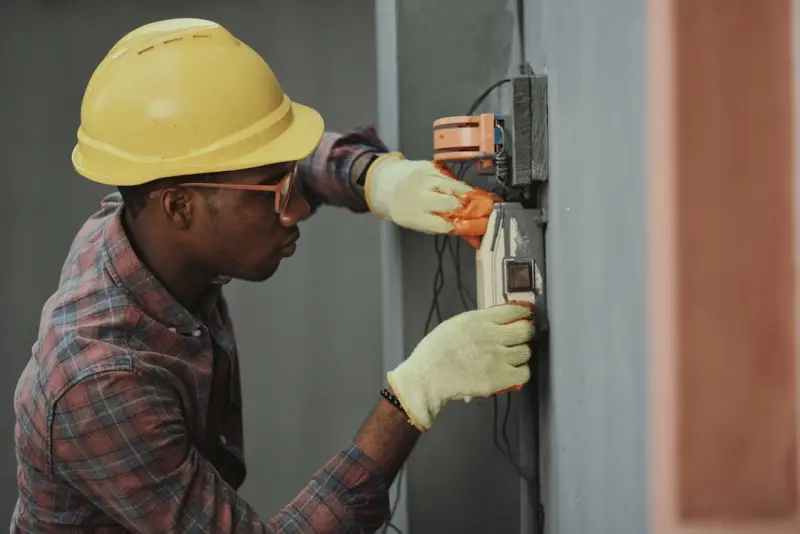
Digital Twins: The New Frontier for Electrical Infrastructure
Digital twins turn electrical systems from opaque black boxes into transparent, predictive assets, e... Read More
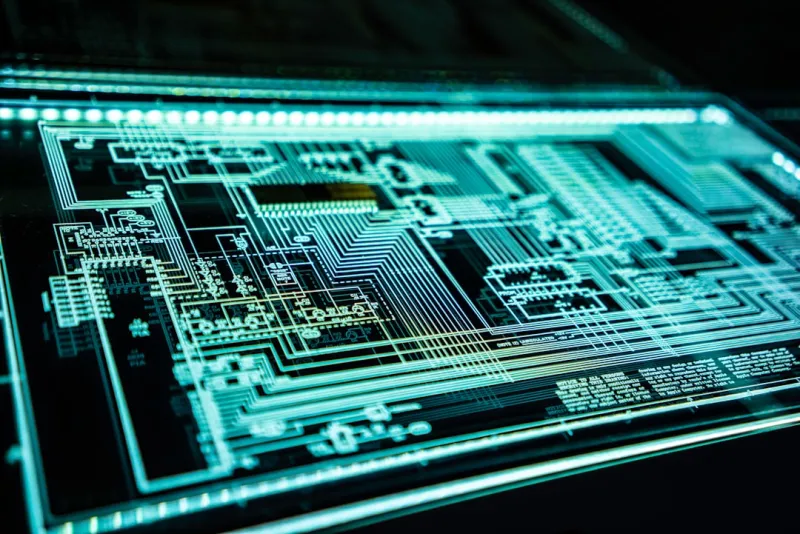
The Future of Electrical Systems: Trends, Innovations, and Best Practices
The electrical industry is on the cusp of a revolution. Learn about the latest trends, innovations, ... Read More
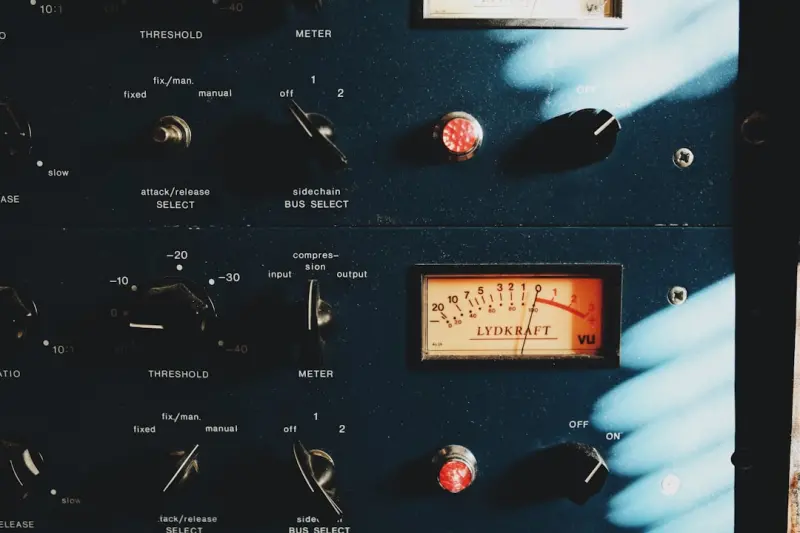
Inside the Box: Mastering Your Home Electrical Panel for Safety and Efficiency
Learn to safely assess, label, and upgrade your home’s electrical panel. From spotting overload si... Read More
Top Posts

From Backyard Shed to Sustainable Sanctuary: My Hands‑On Guide
Learn how I turned a basic backyard shed into a versatile, eco‑friendly retreat—covering location, materials, solar power, comfort, and future‑proofing st...Read More

Reimagining Commercial Spaces: From Blueprint to Business Boost
Explore a fresh perspective on commercial renovations that prioritizes business goals, employee well‑being, and measurable ROI, turning any workspace into a g...Read More

How Corporate Campuses Can Turn Tree Care Into a Competitive Edge
A deep dive into turning routine tree maintenance into a data‑driven, ESG‑friendly, cost‑saving strategy that enhances brand reputation and employee healt...Read More
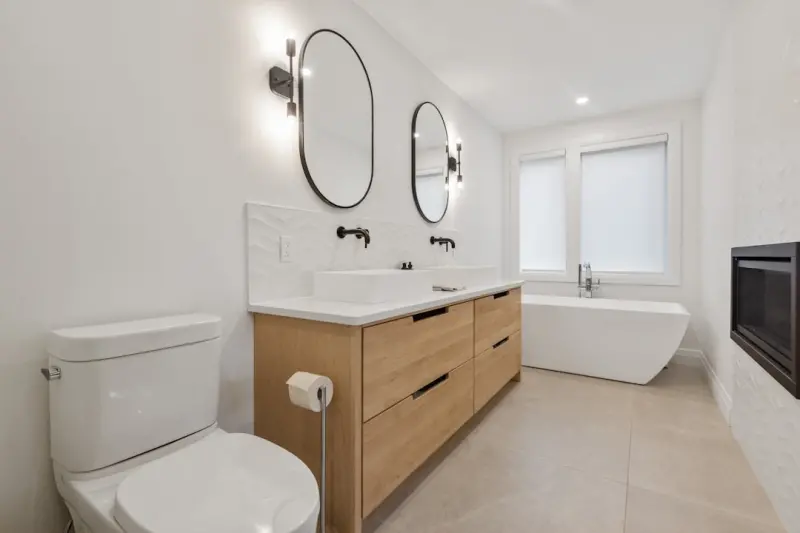
The Secret to a Wellness‑Focused Bathroom Renovation
Discover how to turn a standard bathroom into a wellness sanctuary using color psychology, sensory lighting, smart storage, and eco‑friendly materials....Read More
0 Comments
Post Comment
You will need to Login or Register to comment on this post!