

The Quiet Revolution Beneath Our Feet: Intelligent Paving for Smarter Cities
When most people think about “smart” infrastructure, the mind races to towering sensors on streetlights or AI‑driven traffic lights. Yet the real unsung hero of a connected city is the surface we walk, drive, and park on. As an engineer who spent a decade designing concrete mix‑designs for municipal contracts, I’ve watched the pavement industry evolve from a static, purely structural discipline into a dynamic platform for data, sustainability, and human experience. This transformation isn’t about flashy LED strips or gimmicky patterns; it’s about embedding intelligence at the very foundation of our built environment.
From Rock‑Solid to Data‑Solid: What Makes a Pavement “Intelligent”?
Traditional paving does one thing well: it bears load. Modern intelligent paving does that—plus three additional jobs:
- Sense: Embedded sensors monitor temperature, moisture, strain, and even air quality.
- Respond: Integrated heating elements, permeable layers, or modular tiles adapt to weather and traffic.
- Communicate: Real‑time data streams feed city‑wide dashboards, enabling predictive maintenance and resource optimization.
Think of a pavement that knows when a freeze‑thaw cycle is about to start, alerts crews before cracks appear, and automatically diverts water to underground reservoirs. That’s the essence of intelligent paving.
Permeable Pavement: Turning Streets into Mini‑Watersheds
Stormwater runoff is the silent killer of urban waterways. Conventional asphalt creates a hard, impermeable surface that pushes rainwater into sewers at rates they were never designed to handle. Permeable paving—whether made from porous concrete, interlocking grass‑filled pavers, or recycled rubber—allows water to infiltrate, recharge groundwater, and filter pollutants on the spot.
Beyond the obvious environmental win, there’s an economic angle that often gets overlooked. Cities that invest in permeable surfaces reduce the need for costly storm‑water detention basins and mitigate the risk of flood‑related liabilities. Moreover, because the pavement itself is part of the drainage system, maintenance crews can pinpoint problem spots with sensor data, cutting labor hours dramatically.
Thermal Mass Paving: Passive Climate Control for Urban Cores
Heat islands aren’t just an aesthetic concern; they amplify energy consumption for cooling, exacerbate air‑quality issues, and strain power grids. By engineering the thermal mass of paving materials—using aggregates that store heat during the day and release it slowly at night—cities can smooth temperature swings.
Recent research shows that a well‑designed thermal‑mass pavement can reduce ambient street temperatures by up to 4 °C during peak heat. When combined with reflective coatings, the effect is magnified. The result is a cooler streetscape that eases the load on HVAC systems in adjacent buildings, translating into measurable energy savings.
Embedded Energy Harvesting: Turning Footsteps into Power
Imagine a bustling downtown plaza where every footstep generates a tiny burst of electricity. Piezoelectric tiles, now commercially viable, convert mechanical pressure into usable power. While a single tile produces only a few milliwatts, the aggregate output across a high‑traffic corridor can power low‑energy devices like street‑level Wi‑Fi nodes or sensor hubs.
This concept aligns perfectly with the rising demand for off‑grid micro‑energy solutions. When paired with smart lighting that dims based on ambient light levels and occupancy, the energy harvested can close the loop, making the plaza nearly energy‑neutral.
Data‑Driven Pavement Management: From Reactive to Predictive
Historically, pavement maintenance followed a “fix‑it‑when‑it‑breaks” model. Crews would be dispatched after a crack became visible, often after the underlying problem had already caused secondary damage. Intelligent paving flips this script.
Embedded strain gauges and acoustic emission sensors feed continuous streams into a city’s asset‑management platform. Machine‑learning algorithms spot patterns—like a gradual increase in tensile stress that precedes cracking—and trigger preemptive interventions such as localized sealing or load redistribution. The payoff is twofold: longer pavement life cycles and fewer traffic disruptions.
For a deeper dive into how predictive analytics can reshape building systems, see our piece on harnessing predictive HVAC for business agility, which illustrates similar principles applied to climate control.
Smart Integration with Electric Vehicle (EV) Infrastructure
The surge in EV adoption demands more than just charging stations; it calls for a holistic approach to the roadway itself. By embedding conductive pathways within the pavement, cities can offer dynamic, on‑the‑move charging for low‑speed vehicles such as e‑bikes, scooters, and delivery bots.
These conductive layers work in tandem with inductive charging pads, allowing vehicles to charge while in motion or while parked on designated lanes. The technology also enables granular billing based on actual usage, a feature that could accelerate the transition to shared EV fleets.
Our recent analysis of garage transformation showcases how a power hub can be seamlessly integrated into a building’s footprint. Extending that concept to the road network creates a city‑wide energy distribution system anchored in pavement.
Health‑Centric Surfaces: Antimicrobial and Air‑Purifying Pavement
Public health concerns have pushed designers to consider the microbiological profile of high‑touch surfaces. Antimicrobial additives—like copper nanoparticles or silver‑based compounds—can be integrated into pavement mixes to inhibit bacterial growth. While the efficacy of such additives on outdoor surfaces is still under study, early field trials in high‑traffic transit hubs report a measurable decline in surface‑borne pathogens.
Beyond antimicrobial properties, certain porous pavements can act as passive air filters. As wind passes through the interconnected voids, particulate matter is trapped in the substrate, improving air quality at street level. This dual function—reducing both water runoff and airborne pollutants—creates a synergistic health benefit that aligns with broader urban sustainability goals.
Design Flexibility: Modular Paving Tiles for Rapid Urban Reconfiguration
Traditional asphalt is monolithic; reconfiguring a street layout requires costly demolition and resurfacing. Modular paving systems—interlocking tiles that snap together like a giant LEGO set—enable cities to re‑shape streetscapes quickly. Whether it’s turning a car lane into a pop‑up pedestrian zone for an event or creating temporary bike lanes during a festival, the modular approach reduces downtime and labor costs.
These tiles can be manufactured from recycled plastics, reclaimed rubber, or even geopolymer composites, marrying flexibility with sustainability. The ability to swap out tiles also makes it easier to upgrade embedded sensors or replace damaged sections without disrupting the entire roadway.
Economic Incentives: Funding Intelligent Pavement Projects
Financing large‑scale pavement upgrades is a perennial challenge. However, the multi‑benefit nature of intelligent paving unlocks a broader array of funding sources:
- Environmental Grants: Permeable and green pavements qualify for storm‑water mitigation grants.
- Energy Incentives: Thermal‑mass and energy‑harvesting projects can tap into renewable‑energy subsidies.
- Public‑Private Partnerships: Data generated by sensor‑laden roads holds commercial value for logistics firms and mobility platforms, opening revenue‑sharing opportunities.
By packaging these benefits into a cohesive business case, municipalities can present a compelling narrative that justifies the upfront capital outlay.
Future Outlook: From Static Surface to Living Platform
The trajectory of intelligent paving points toward a truly living infrastructure—one that senses, learns, and evolves. As 5G networks roll out, the bandwidth needed to transmit high‑resolution sensor data will become abundant, enabling real‑time analytics at city scale. Coupled with advances in materials science, we’ll see pavements that self‑heal micro‑cracks, adjust permeability on demand, and even change color to convey information to pedestrians.
In practice, this means a city where the sidewalk under your feet knows when a rainstorm is imminent, diverts water to underground cisterns, signals cyclists about optimal routes, and powers the streetlamp that lights your path—all without a single manual intervention.
Conclusion: Laying the Foundation for Tomorrow
Intelligent paving is more than a tech buzzword; it’s a strategic lever for sustainability, resilience, and urban livability. By treating the road surface as a data conduit and a multifunctional asset, city planners, engineers, and policymakers can unlock efficiencies that ripple across transportation, energy, water, and public health domains.
As we continue to embed intelligence into the very ground we tread, the line between built environment and digital ecosystem blurs—ushering in a future where every step we take contributes to a smarter, greener, and healthier city.

Lifan Chen is a freelancer based in Toronto specializing in marketing. With expertise in crafting effective marketing strategies and campaigns, Lifan helps businesses grow their brand presence and reach target audiences. As a Toronto-based freelancer, Lifan combines local market insights with creative marketing skills to deliver tailored solutions for clients.
Related Posts
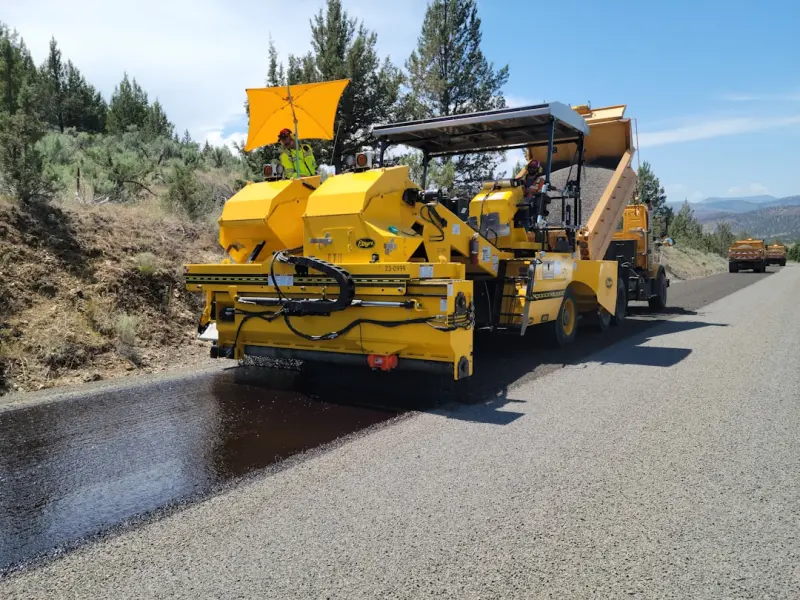
Self‑Healing Asphalt: Roads That Repair Themselves
Self‑healing asphalt uses microcapsules and polymer binders to automatically seal cracks, offering... Read More

Sustainable Permeable Pavement: A Practical Guide for Resilient Sites
Permeable paving is more than a trend; it’s a climate‑smart solution that reduces storm‑water ... Read More
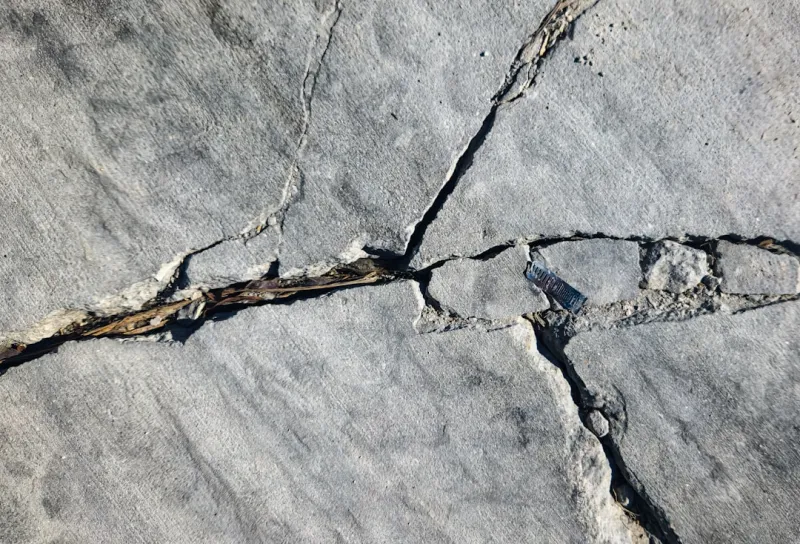
From Cracked Driveways to Sustainable Pavements: My Hands‑On Journey
A personal, step‑by‑step account of turning a cracked driveway into a durable, eco‑friendly, a... Read More
Top Posts

Why Insulated Garage Doors Are the Unsung Heroes of Energy Efficiency
Insulated garage doors act as a thermal barrier, reducing energy loss, enhancing security, and boosting curb appeal. Learn how the right door can save money, im...Read More

Mastering Construction Permits: A Builder’s Playbook for Seamless Approvals
Learn how to demystify construction permits with a strategic checklist, digital tools, and community outreach—turning a daunting process into a project‑winn...Read More

The Countertop Playbook: Sustainability, Safety, and Resale Value
Explore how sustainable sourcing, food‑safe surfaces, smart features, and savvy maintenance combine to make countertops a lasting, valuable investment for any...Read More

Living Climate Buffers: How Decks Can Modulate Temperature, Moisture, and Biodiversity
Decks can do more than host gatherings—they can become active climate buffers that capture solar heat, shed warmth at night, manage rainwater, and nurture bio...Read More
0 Comments
Post Comment
You will need to Login or Register to comment on this post!