
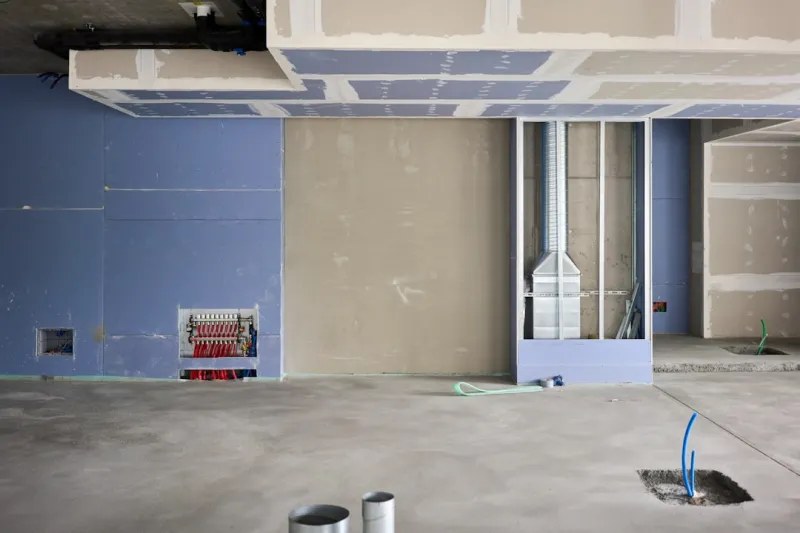
Why Drywalling Still Matters in a Green Home
When I first picked up a hawk‑eye view of a new build, I realized that drywall isn’t just the backdrop for a fresh coat of paint—it’s the structural canvas that determines how air moves, how moisture behaves, and ultimately how sustainable a home can be. Over the years I’ve watched the industry shift from cheap, waste‑laden sheets to products that boast recycled gypsum, low‑VOC binders, and even bio‑based additives, and I’ve learned that the difference between a “good” renovation and a “great” one hinges on the choices you make at the sheet‑laying stage. In this post I’ll walk you through the process I’ve honed, from material selection to finishing touches, while weaving in the lessons I gathered from the Rise of Eco‑Friendly Drywalling movement that’s reshaping our trade.
Picking the Right Sustainable Drywall
The first decision point is the panel itself; I now source gypsum boards that contain at least 30 % recycled content, which slashes the carbon footprint without compromising fire rating or durability. Look for certifications like GREENGUARD Gold or the Environmental Product Declaration (EPD), which provide transparent data on embodied energy, and don’t be shy about asking manufacturers for their supply‑chain traceability reports—knowledge is power when you’re trying to keep the whole house green. I also favor moisture‑resistant cores in bathrooms and kitchens, because the added barrier reduces the likelihood of mold growth, a hidden health hazard that often goes unnoticed until it spirals out of control.
Mixing a Low‑Impact Joint Compound
Traditional joint compounds are notorious for releasing volatile organic compounds (VOCs) during sanding, so I now blend a proprietary mix of lime‑based filler, plant‑derived polymers, and a dash of recycled paper fiber, which gives me a smooth finish while staying well below the EPA’s VOC thresholds. The key is to keep the water‑to‑powder ratio tight; a thicker mix dries faster and requires fewer sanding cycles, meaning less dust and less time spent in a respirator. When you’re ready to sand, use a vacuum‑mounted sander with HEPA filtration—this not only protects your lungs but also captures the fine particles that would otherwise linger in the indoor air.
Tools of the Trade: Sustainable and Efficient
Modern drywall tools have become smarter, and I’ve swapped out my old steel knives for lightweight, ergonomic handles made from reclaimed aluminum, which reduces fatigue and extends the tool’s lifespan. A cordless impact driver with a high‑capacity lithium‑ion battery not only cuts down on the noise pollution of a gasoline‑powered unit but also eliminates the need for extension cords that can become tripping hazards on a busy job site. I also invest in reusable masking tape and biodegradable drop cloths; these small choices add up, turning a routine installation into a low‑waste operation.
Applying the Boards with Precision
When I start hanging drywall, I begin by measuring and marking stud locations with a laser level, ensuring that each sheet lands squarely and reduces the need for excessive cutting—waste less, waste not. I use a screw gun set to a torque that drives fasteners just below the surface, preventing over‑penetration that could weaken the board and cause future cracking. The next step is to fill the seams with my low‑impact joint compound, feathering the edges outwards so the final coat blends seamlessly into the surrounding surface, a technique that saves both material and labor in the long run.
Finishing Touches: From Sanding to Paint
After the final coat of joint compound has cured, I lightly sand with a fine‑grit, water‑dampened pad to avoid dust clouds, then wipe the surface with a microfiber cloth to capture any lingering particles before priming. Choosing a low‑VOC, zero‑lead paint not only keeps the indoor air clean but also aligns with the broader sustainability goals of the renovation; many manufacturers now offer pigments derived from natural minerals, delivering vibrant hues without the chemical baggage of traditional paints. I finish each room with a protective seal that repels moisture, extending the life of the drywall and reducing the frequency of future repairs.
Integrating Drywall with Overall Home Weather‑Proofing
Drywall doesn’t exist in a vacuum; its performance is tightly coupled with how well you’ve weather‑proofed the rest of the structure. I always cross‑reference my drywall plan with the guidelines in Weathering the Storm, making sure that exterior cladding, flashing, and insulation work together to keep moisture out and temperature steady. Proper sealing around windows and doors, coupled with a continuous vapor barrier behind the drywall, dramatically reduces the risk of condensation that can compromise both the gypsum and the indoor air quality.
Maintenance Strategies that Keep Your Walls Green
Once the drywall is up and painted, the job isn’t truly done; regular maintenance is essential to preserve the eco‑friendly gains you’ve made. I recommend a bi‑annual visual inspection for hairline cracks, which can be repaired with a small amount of the same low‑impact joint compound used during installation, preventing larger failures down the line. In high‑traffic areas, consider a washable, low‑VOC finish that can be gently cleaned with a pH‑neutral solution, avoiding harsh chemicals that would otherwise leach into the walls and degrade the recycled gypsum core over time.
Closing Thoughts: The Future of Eco‑Conscious Drywalling
Looking ahead, I see a wave of innovation that will make drywall even more sustainable—think panels infused with hemp fibers, bio‑char additives that capture carbon, and even modular wall systems that can be disassembled and reused in future projects. As contractors and homeowners alike become more attuned to the environmental impact of every square foot, the humble wallboard will evolve from a disposable commodity into a cornerstone of circular construction. My hope is that you’ll take these insights, experiment with greener materials, and share your successes, because together we can build homes that are not only beautiful and functional but also kind to the planet.

Paul Gray is a dynamic blogger based in Brampton, where he shares his life with his amazing wife, Sarah. Known for his engaging writing style and relatable insights, Paul has carved out a niche in the blogging world that resonates with readers from all walks of life. When he's not crafting captivating posts, you can find him savoring a cold beer or indulging in the latest blockbuster movie. With a friendly demeanor and a passion for storytelling, Paul brings a unique perspective to his work, making him not just a blogger, but a voice for those who appreciate the simple joys of life.
Related Posts
Modular Smart Drywall: Speed, Data, and Circular Value
A deep dive into modular drywall panels that combine rapid installation, embedded IoT sensors, and r... Read More
The Rise of Intelligent Drywall: Turning Walls into Data Hubs
Intelligent drywall integrates thin sensors into gypsum boards, creating walls that monitor humidity... Read More
Mastering Modern Drywall: From Sustainable Boards to Acoustic Perfection
Learn how to choose eco‑friendly drywall, integrate acoustic solutions, and future‑proof walls w... Read More
Top Posts

Reimagining the Deck: Adaptive Materials, Smart Tech, and Sustainable Design
A deep dive into the next generation of decks, covering adaptive systems, eco‑friendly materials, solar integration, modular builds, and smart sensor technolo...Read More
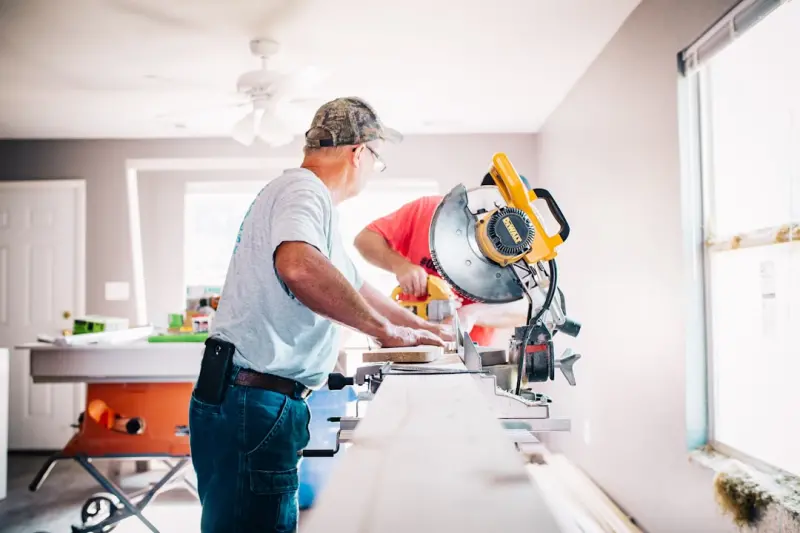
Why Handyman Services Are Shifting to Subscriptions
A deep dive into the rising subscription model for handymen, exploring tech integration, permit handling, transparent reporting, and strategic growth to create ...Read More
Predictive Duct Maintenance: Turning Hidden Airways Into Strategic Assets
Predictive duct maintenance leverages IoT sensors and analytics to anticipate cleaning needs, reduce energy waste, extend equipment life, and boost occupant hea...Read More
Reimagining Furniture Restoration: Craft Meets Science
A deep dive into merging traditional woodworking skills with modern science, offering step‑by‑step diagnostics, material selection, and protective strategie...Read More
0 Comments
Post Comment
You will need to Login or Register to comment on this post!