

Masonry has always been the quiet backbone of our built environment—rows of brick and stone that hold up walls, streets, and histories alike. Yet in the age of data streams, AI assistants, and rapid urban change, the age‑old craft is quietly undergoing a renaissance. In this post I’ll walk you through why today’s masons are swapping chalk lines for dashboards, how real‑time analytics are reshaping mortar mixes, and what this means for developers, facility managers, and the neighborhoods that depend on durable, low‑maintenance walls.
From Hand‑Molded to Data‑Molded: The New Language of Mortar
For centuries, the “right” mortar mix was a matter of experience, intuition, and a handful of trial‑and‑error batches on site. The seasoned mason could smell the perfect water‑to‑cement ratio, feel the consistency of the mix, and predict how long it would set under varying humidity. Today, sensors embedded in mixing trucks can capture temperature, humidity, and even the exact grain size distribution of sand in real time. This data feeds a cloud‑based model that recommends adjustments on the fly, ensuring each batch meets the target compressive strength while reducing waste.
What’s powerful about this shift isn’t just the increase in strength—it’s the predictability. Project managers can now forecast when a wall will reach load‑bearing capacity, allowing them to schedule subsequent trades with millisecond confidence rather than the usual safety margins that bloat timelines.
Digital Twins of Brickwork: Visualizing the Invisible
Enter the concept of a digital twin for masonry. By scanning an existing wall with LiDAR and photogrammetry, a precise 3D model is generated. This model isn’t a static replica; it’s linked to performance data such as moisture ingress, thermal bridging, and structural loads. When a new façade is designed, architects can overlay the digital twin and instantly see how the new brick veneer will interact with the existing substrate.
These twins also become a diagnostic tool for facility managers. A spike in moisture detected by wall‑embedded sensors can be cross‑referenced with the digital twin to pinpoint the exact brick course where water is seeping in, dramatically cutting down on investigative labor. The result is a maintenance approach that is proactive, precise, and less invasive.
Integrating AI‑Driven Form‑Finding with Masonry Layouts
One might think AI belongs only to fluid forms and complex geometry, but the algorithms that power AI‑Driven Form‑Finding have a surprising application in masonry layout optimization. By feeding the AI a set of constraints—building code limits, material availability, and aesthetic preferences—it can generate brick bond patterns that maximize structural efficiency while minimizing the number of cut bricks.
The classic English bond, for example, may be replaced by a hybrid pattern that reduces the number of vertical joints in high‑stress zones. This not only saves material costs but also improves the wall’s resistance to lateral forces such as wind or minor seismic activity. The AI can even suggest where to introduce prefabricated brick panels to accelerate construction without sacrificing the hand‑crafted feel of a traditional wall.
Prefabricated Brick Panels: Speed Without Sacrificing Soul
Prefabrication isn’t new, but its marriage with masonry is gaining traction. Factories now produce full‑height brick panels that come with integrated insulation, wiring conduits, and even built‑in sensor arrays. These panels are shipped to site, lifted into place, and grouted just like a conventional wall, but the on‑site labor is reduced by up to 70%.
The key to preserving the soul of masonry lies in the finish. Manufacturers use high‑resolution printing and robotic brick placement to replicate historic bond patterns down to the smallest detail. When installed, the panels blend seamlessly with traditional brickwork, offering a perfect hybrid of speed, performance, and heritage.
Climate Resilience: Masonry as a Thermal Buffer
As climate extremes become more frequent, the thermal mass of masonry is becoming a strategic asset. Thick brick walls absorb heat during the day and release it slowly at night, flattening temperature swings inside a building. By pairing these walls with low‑emissivity (low‑e) coatings and strategically placed ventilation, designers can create naturally ventilated, energy‑efficient structures without relying on heavy mechanical systems.
In hot, arid climates, a well‑designed masonry envelope can cut cooling loads by up to 30%. In colder regions, the same mass acts as a heat reservoir, reducing heating demands. When combined with the data from embedded sensors, building automation systems can modulate shading devices and HVAC setpoints in real time, optimizing comfort while slashing energy bills.
Smart Gutter Integration: A Case Study
While gutters might seem peripheral to masonry, their performance directly influences wall durability. Poorly draining water can infiltrate mortar joints, leading to spalling and structural degradation. By integrating modular gutter systems with wall‑embedded moisture sensors, a feedback loop is created: when a sensor detects rising humidity near the base of a wall, the gutter system can automatically adjust flow rates or deploy secondary drainage to prevent water pooling.
This synergy extends the life of both the masonry and the roofing envelope, turning what was once a maintenance headache into a data‑driven reliability feature.
Health & Indoor Air Quality: The Hidden Benefits of Breathable Walls
Unlike sealed concrete panels, masonry walls are inherently breathable. The porous nature of brick and lime‑based mortars allows moisture to evaporate naturally, preventing the buildup of mold spores and indoor pollutants. When combined with sensor‑driven ventilation, this breathability becomes a powerful ally for indoor air quality.
Facility managers can monitor relative humidity levels in real time and trigger localized dehumidification only where needed, conserving energy while maintaining a healthy environment. This is especially valuable in healthcare and laboratory settings where air purity is paramount.
The Economics of Data‑Enabled Masonry
Adopting these technologies does involve upfront investment—sensors, data platforms, and prefabrication contracts aren’t cheap. However, the ROI becomes evident when you factor in reduced labor hours, lower material waste, and extended service life of the wall assembly.
A typical mid‑rise office building that incorporates sensor‑augmented masonry can expect a 15‑20% reduction in operational costs over a 20‑year lifecycle. Moreover, the ability to predict maintenance needs reduces emergency repair budgets, which often account for a substantial portion of facility expenditures.
Training the Next Generation of Masons
All this technology might sound like it threatens the artisanal nature of masonry, but the reality is quite the opposite. Modern apprentices are being taught not only the traditional hand‑troweling techniques but also how to interpret data dashboards, calibrate sensor arrays, and communicate with AI design tools.
This hybrid skill set makes them more versatile and valuable in a market that increasingly favors integrated, tech‑savvy construction teams. In fact, many trade schools now partner with tech firms to provide certification in “Smart Masonry”—a credential that signals both craftsmanship and digital fluency.
Future Outlook: From Static Walls to Adaptive Envelopes
Looking ahead, the ultimate vision for masonry is an adaptive envelope that can respond to environmental changes without human intervention. Imagine a wall that can alter its permeability in response to humidity spikes, or bricks that change color to reflect excess solar gain. While still in the research phase, these concepts build upon the foundations we’re laying today: data integration, sensor networks, and AI‑enhanced design.
The path forward is a collaborative one, where masons, engineers, software developers, and sustainability experts co‑create solutions that honor the past while embracing the future. By treating masonry as a living system rather than a static material, we unlock a new realm of performance, resilience, and beauty.
Takeaway: Embrace the Data, Preserve the Craft
The core message is simple: data should amplify, not replace, the intuition of the mason. When we let real‑time analytics inform mix designs, wall health monitoring, and construction sequencing, we preserve the longevity and aesthetic richness of masonry while delivering projects faster, cheaper, and greener.
If you’re a developer, facilities manager, or design professional, consider piloting a sensor‑enabled wall on your next project. The insights you gain will pay dividends in reduced maintenance, improved occupant comfort, and a stronger narrative around sustainability—a story that resonates with stakeholders at every level.
And for the masons reading this, I encourage you to explore the new digital tools available. Attend a workshop on AI‑driven form‑finding, experiment with prefabricated brick panels, and start logging your on‑site observations in a shared data platform. The future of masonry is bright, and it’s waiting for hands that are both skilled and curious.

Lifan Chen is a freelancer based in Toronto specializing in marketing. With expertise in crafting effective marketing strategies and campaigns, Lifan helps businesses grow their brand presence and reach target audiences. As a Toronto-based freelancer, Lifan combines local market insights with creative marketing skills to deliver tailored solutions for clients.
Related Posts

Masonry’s Modern Renaissance: Brick, Block, and Stone Reimagined for Sustainable Design
Masonry is experiencing a quiet resurgence as architects adopt new materials, digital design tools, ... Read More
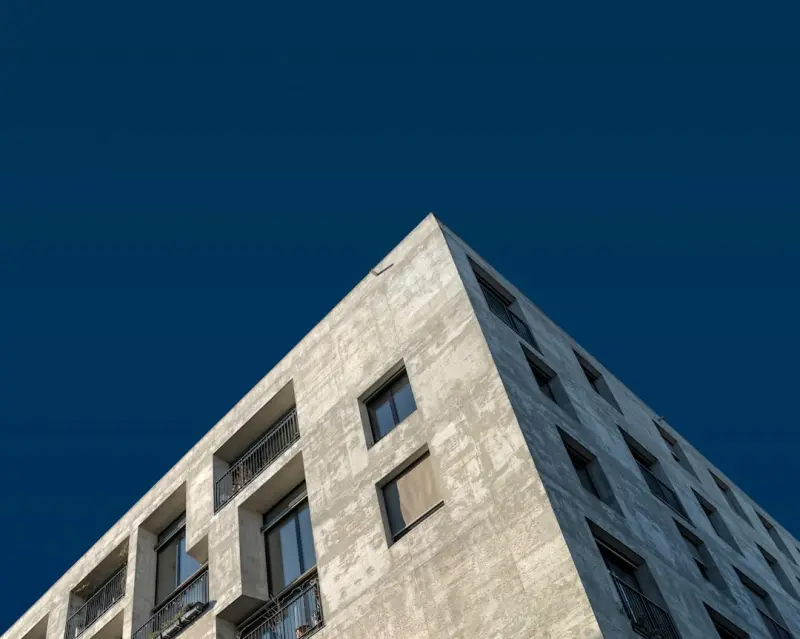
When Masonry Becomes an Intelligent Asset for Modern Workspaces
Masonry isn’t just a decorative element; when equipped with low‑power sensors, walls can deliver... Read More

Reimagining Masonry: Smart, Sustainable, and Resilient
Discover how to combine age‑old brickcraft with modern sensors, breathable insulation, and AI-driv... Read More
Top Posts

Smart Drywall: Intelligent Walls for Modern Buildings
Smart drywall embeds sensors directly into gypsum panels, turning walls into data‑rich building assets. Learn how this technology enhances moisture detection,...Read More

Smart Appliance Repair: From Proactive Maintenance to AI‑Driven Service
Learn how to shift from emergency fixes to predictive maintenance, choose the right tech‑savvy repair pro, and embrace AI tools for smarter appliance care....Read More
Transform Your Closet into a Dynamic Storage System
Learn how to turn a cramped closet into a flexible, tech‑enhanced storage hub with modular systems, vertical strategies, and sustainable materials....Read More

The Evolution of Sustainable Fencing: A Comprehensive Guide
Sustainable fencing is a rapidly growing trend that's here to stay. Learn about the benefits, materials, and designs of eco-friendly fencing options and how to ...Read More
0 Comments
Post Comment
You will need to Login or Register to comment on this post!