
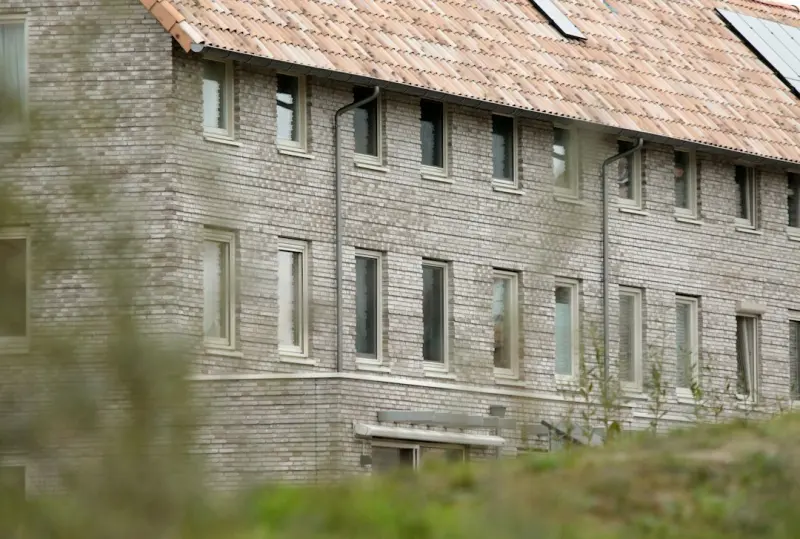
Why Masonry Is the Unsung Hero of Climate‑Resilient Buildings
When architects and engineers talk about the future of the built environment, you’ll hear a lot about glass façades, smart skins, and carbon‑negative timber. What rarely gets the spotlight is the humble, centuries‑old craft of masonry. Yet the very qualities that have kept masonry standing for millennia—thermal mass, durability, and material versatility—are exactly what modern designers need to meet today’s climate challenges.
Thermal Mass: The Passive Cooling Engine You’ve Overlooked
Thermal mass is the ability of a material to absorb, store, and release heat. In a well‑designed masonry wall, this means that the structure itself becomes a natural temperature regulator. During the day, the wall absorbs solar gain, slowing the heat spike inside the building. As night falls, the stored heat is released slowly, keeping interiors comfortable without a single watt of energy.
While many green‑building guides tout insulation as the primary strategy, they often neglect the synergistic power of insulation plus mass. Pair a high‑performance exterior insulation system with a thick masonry core, and you have a wall that both blocks unwanted heat transfer and leverages thermal inertia.
For building owners, the payoff is measurable: reduced HVAC loads, lower utility bills, and a smaller carbon footprint—all without sacrificing occupant comfort.
Material Evolution: From Clay Bricks to Geopolymer Blocks
The classic red clay brick is iconic, but it’s not the only tool in the mason’s toolbox. Emerging geopolymer blocks, made from industrial by‑products like fly ash and slag, offer comparable strength with a dramatically lower embodied carbon footprint. In fact, a geopolymer block can reduce CO₂ emissions by up to 70 % compared to traditional fired clay.
These materials also open the door to circular paving innovations that recycle construction waste into new masonry products. The result is a closed‑loop system where demolition debris becomes the raw material for the next generation of walls.
What’s more, geopolymer chemistry can be tweaked to improve fire resistance, acoustic performance, and even water repellency—attributes that are increasingly demanded in high‑rise residential and commercial projects.
Designing for Resilience: Flood‑Resistant Masonry Details
Extreme weather events are no longer statistical outliers; they’re everyday realities. Masonry can be engineered to act as a water‑resistant barrier when combined with thoughtful detailing:
- Raised foundations and waterproof membranes: Elevating the masonry envelope above expected flood levels, then sealing joints with polymer‑based sealants.
- Interlocking block systems: Modern interlocking designs provide continuity even when individual units shift slightly under hydrostatic pressure.
- Ventilated cavities: Incorporating air gaps behind the exterior leaf allows moisture to escape, reducing the risk of freeze‑thaw damage.
By integrating these strategies early in the design phase, developers can avoid costly retrofits after a flood event.
Smart Masonry: Embedding Sensors for Real‑Time Health Monitoring
We live in an era where infrastructure can “talk.” While sensor‑embedded roads have made headlines (When Pavement Talks), the same technology is now finding its way into masonry. Small, low‑power strain gauges and moisture sensors can be placed within block cores during construction. These devices transmit data on:
- Load distribution across load‑bearing walls.
- Moisture ingress that could signal early signs of efflorescence.
- Temperature fluctuations that affect thermal performance.
The data streams into a building management platform, giving facility managers the ability to schedule preventive maintenance before cracks become structural failures. It’s a proactive approach that turns a passive wall into a living asset.
Speeding Up Construction: Prefabricated Masonry Panels
One of the biggest criticisms of masonry is the perception that it’s slow and labor‑intensive. Prefabricated masonry panels are turning that notion on its head. Factories now produce insulated, reinforced panels that snap together on site, dramatically reducing erection time.
These panels can incorporate the same geopolymer mixes mentioned earlier, ensuring that speed doesn’t come at the expense of sustainability. When paired with a digital layout tool, installers can achieve millimeter‑level accuracy, further minimizing waste.
Adaptive Reuse: Masonry as a Bridge Between Past and Future
Urban revitalization projects often wrestle with the dilemma of preserving historic character while meeting modern performance standards. Masonry offers a unique solution: you can retain existing brick façades, then reinforce them internally with new high‑strength blocks or carbon‑fiber wraps.
This hybrid approach preserves the aesthetic value that communities cherish while upgrading structural capacity and energy performance. In many cases, the retained masonry also qualifies for historic tax credits, adding a financial incentive to the sustainability story.
Economic Benefits: From Construction to Operations
Beyond the environmental upside, masonry delivers a compelling economic case:
- Long lifespan: Properly built masonry can last 100 + years, reducing the need for major renovations.
- Low maintenance: Unlike cladding systems that require regular repainting, masonry only needs periodic cleaning and joint repointing.
- Insurance savings: Fire‑resistant masonry can lower premium rates, especially in high‑risk zones.
When you factor in reduced energy costs from thermal mass, the total cost of ownership becomes highly attractive for owners seeking long‑term value.
Case Study: A Mid‑Rise Office Tower That Leverages Masonry for Net‑Zero Goals
Consider a recent office tower in the Pacific Northwest that combined geopolymer masonry with a high‑performance envelope. The design team used a 150 mm thick masonry core as the primary thermal mass, coupled with a vacuum‑insulated façade. Embedded moisture sensors alerted maintenance staff to a potential leak in the rain screen, preventing water damage before it could spread.
The building achieved a 45 % reduction in heating and cooling loads compared to a conventional steel‑frame counterpart. Over its first five years, the tower saved more than $1 million in energy costs, demonstrating that masonry can be a cornerstone of net‑zero strategies.
Future Outlook: Masonry in the Age of Digital Twins
Digital twins—virtual replicas of physical assets—are becoming mainstream in facilities management. By integrating sensor data from masonry walls into a digital twin, operators can simulate performance under different climate scenarios, forecast maintenance needs, and even optimize indoor climate control strategies.
This convergence of ancient craft and cutting‑edge technology promises a future where masonry isn’t just a static element but an active participant in the building’s lifecycle.
Getting Started: How to Incorporate Modern Masonry Into Your Next Project
If you’re convinced that masonry deserves a seat at the sustainability table, here are three practical steps:
- Partner with a forward‑thinking mason: Look for contractors who have experience with geopolymer blocks and prefabricated panel systems.
- Specify sensor integration early: Work with your BMS provider to define data points and reporting protocols for wall health monitoring.
- Leverage digital design tools: Use BIM to model thermal mass effects and coordinate prefabricated panel dimensions, ensuring a seamless build.
By taking these actions, you’ll tap into masonry’s inherent strengths while future‑proofing your building against climate volatility.
Conclusion: Re‑imagining Masonry for a Sustainable Tomorrow
Masonry is more than a relic of the past; it’s a dynamic, adaptable system that can meet the most demanding sustainability goals of today’s built environment. From thermal mass that slashes HVAC energy to low‑carbon geopolymer blocks and intelligent sensor networks, the craft is undergoing a quiet renaissance. When architects, engineers, and facility managers recognize and harness these capabilities, masonry will finally get the respect it deserves—as a cornerstone of climate‑resilient, high‑performance buildings.

Paul Gray is a dynamic blogger based in Brampton, where he shares his life with his amazing wife, Sarah. Known for his engaging writing style and relatable insights, Paul has carved out a niche in the blogging world that resonates with readers from all walks of life. When he's not crafting captivating posts, you can find him savoring a cold beer or indulging in the latest blockbuster movie. With a friendly demeanor and a passion for storytelling, Paul brings a unique perspective to his work, making him not just a blogger, but a voice for those who appreciate the simple joys of life.
Related Posts

Intelligent Masonry: Building Smarter Walls
Masonry is transitioning from a traditional, static material to a dynamic, data‑enabled building c... Read More
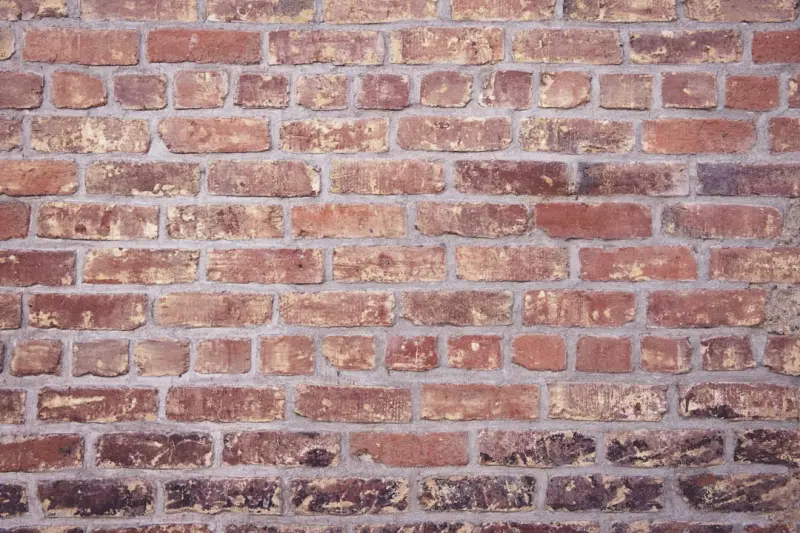
Reviving Brick: Modern Masonry Techniques for the Everyday Builder
Explore contemporary masonry strategies—materials, mortar mixes, thin veneer, and sustainable recl... Read More
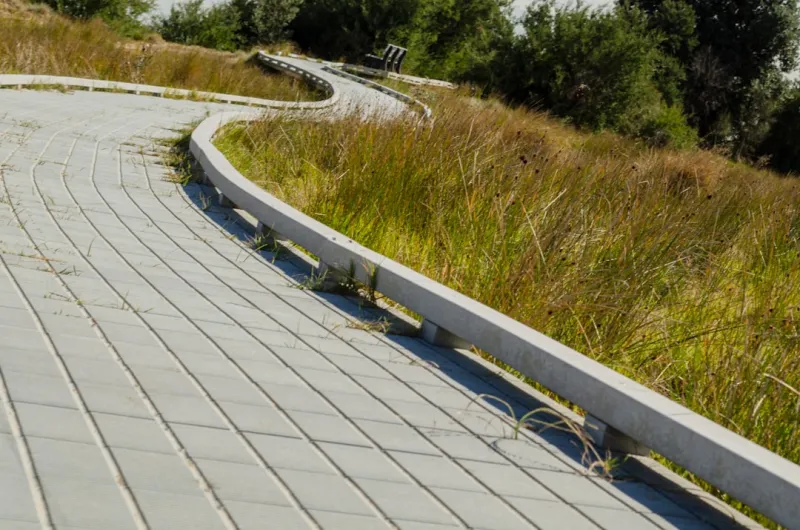
The Evolution of Masonry: A Sustainable Path Forward
The masonry industry is evolving to meet the demands of a more environmentally conscious market. Lea... Read More
Top Posts

Unlocking Energy Efficiency: The Critical Role of Energy Inspections in Modern Homes
Energy inspections play a vital role in ensuring that your home is energy-efficient, comfortable, and sustainable. Learn how these comprehensive evaluations can...Read More
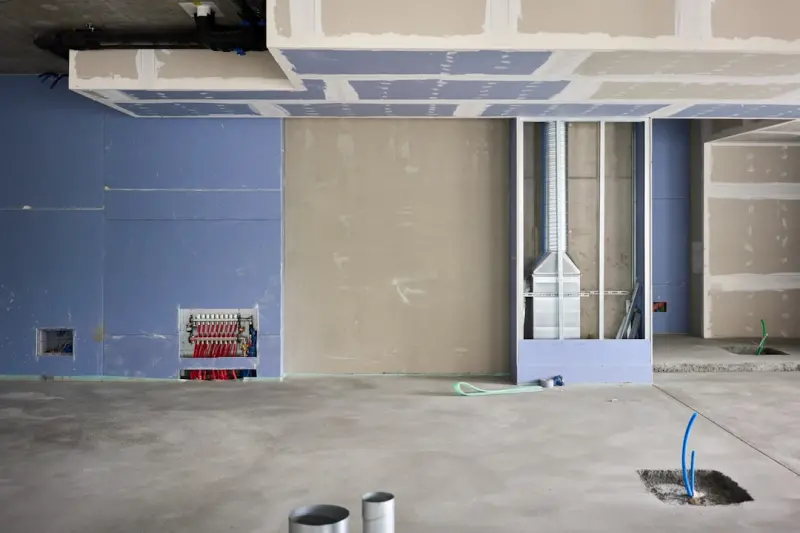
Bringing the Outdoors In: A Blueprint for Biophilic Commercial Renovations
Discover practical steps to embed natural elements into office renovations, creating healthier, more productive environments that align with modern enterprise g...Read More

Predictive Carpet Care: Boosting Facility Performance and Longevity
A data‑driven approach to carpet cleaning transforms a reactive chore into a predictive asset management strategy, delivering cost savings, longer carpet life...Read More
The Sustainability Shift in Plumbing: How to Make Your Home More Eco-Friendly
The plumbing industry is undergoing a significant transformation, with homeowners seeking sustainable solutions to reduce their environmental footprint and save...Read More
0 Comments
Post Comment
You will need to Login or Register to comment on this post!