
Why Tiling Isn’t Just About Aesthetics Anymore
When I first picked up a trowel, I thought tiles were merely a backdrop for a kitchen’s shine, but years on job sites taught me they’re the unsung heroes of sustainable design. Every square foot of tile tells a story—from the quarry that birthed the stone to the grout that holds it together, each decision impacts energy use, indoor air quality, and long‑term durability. Modern homeowners want spaces that look good and feel responsible, and that’s where the conversation shifts from “what matches my cabinets?” to “how does this choice reduce my carbon footprint while standing the test of time?”
The Material Matrix: Choosing Tiles That Respect the Planet
Natural stone, reclaimed porcelain, and recycled ceramic each bring a unique ecological footprint to the table, and understanding that matrix is key to making informed choices. I’ve found that reclaimed porcelain, sourced from demolished structures, often carries a lower embodied energy than newly fired clay, yet still offers the same resilience and low‑maintenance charm. For those who crave the raw elegance of stone, look for certifications like ISO 14001 that guarantee responsible quarrying practices. When in doubt, a quick check on the manufacturer’s sustainability page can reveal whether they employ renewable energy in the kiln—a small detail that adds up in the grand scheme.
Designing for Longevity: Patterns That Endure Both Style and Function
Trends come and go, but a well‑thought‑out layout can keep a tile floor looking fresh for decades, reducing the need for premature replacements. I often recommend timeless patterns such as subway or herringbone; they’re versatile enough to adapt to evolving décor while minimizing waste. Pairing larger format tiles with minimal grout lines not only creates a sleek, modern aesthetic but also reduces the amount of grout—one of the most porous materials in a bathroom or kitchen that can harbor mold. By planning for future resale value, you’re also protecting the environment, because fewer renovations mean fewer resources consumed.
Installation Secrets: The Hidden Sustainability Wins
Even the most eco‑friendly tile can become a liability if installed improperly, leading to cracks, water intrusion, and costly re‑tiles. One trick I swear by is using a polymer‑modified thin‑set mortar that adheres better and reduces the need for multiple coating layers, cutting down on both material waste and VOC emissions. Additionally, incorporating a proper uncoupling membrane beneath the tile creates a breathable barrier, allowing moisture to escape and extending the floor’s life. This technique aligns perfectly with the principles outlined in Sustainable Tiling Strategies: From Selection to Long‑Lasting Installation, ensuring every step supports a greener outcome.
Grouting with a Conscience: Selecting Low‑Impact Fillers
Grout often gets overlooked, but its composition can dramatically affect indoor air quality and water resistance. I prefer epoxy‑based grouts for high‑traffic zones; they’re stain‑resistant, require less frequent sealing, and emit fewer volatile organic compounds than traditional cementitious mixes. For residential bathrooms, a sanded, low‑alkali grout works well, especially when paired with a penetrating sealant that reduces water absorption without adding harmful chemicals. Remember, a well‑sealed grout line not only protects the substrate but also curtails mold growth—an essential consideration for healthy homes.
Maintenance Matters: Extending Tile Life Through Smart Care
Keeping tiles pristine doesn’t demand harsh chemicals; in fact, the gentlest approach often yields the best results. A solution of warm water and a pH‑neutral cleaner will lift grime without eroding the tile surface or compromising the grout’s integrity. For stubborn stains, a paste of baking soda and water applied with a soft brush works wonders—an eco‑friendly hack I share with clients regularly. Routine sealing, especially on natural stone, adds a protective layer that repels spills and reduces the need for frequent deep cleaning, ultimately saving water and cleaning agents.
Integrating Tile with Smart Home Technologies
Tiles can become part of a home’s intelligence network, especially when paired with moisture sensors and smart leak detection systems. I’ve installed sensors beneath bathroom floors that alert homeowners to hidden leaks before they become structural nightmares, a proactive move that preserves both the tile and the building envelope. This synergy between traditional materials and modern tech aligns with the ethos of Smart Home Alarm Systems: Security Meets Sustainability, where safety and environmental stewardship go hand in hand. By embracing such innovations, you’re not just laying a floor—you’re creating a resilient, responsive environment.
Budgeting for Sustainable Tiling: Cost‑Effective Strategies
Investing in sustainable tile doesn’t have to break the bank; it’s about strategic allocation of resources. Bulk purchasing reclaimed tiles from local demolition projects often yields significant savings while supporting circular economies. Additionally, opting for larger tiles reduces the amount of grout needed, cutting both material costs and labor hours. Don’t forget to factor in long‑term savings—durable installations mean fewer repairs, less water damage, and lower utility bills due to improved thermal mass in heated floor systems.
My Final Thoughts: Tiles as a Blueprint for Sustainable Living
Every tile laid is a small vote for a healthier planet, and as a seasoned contractor, I’ve seen firsthand how mindful choices ripple across a home’s performance. By selecting responsibly sourced materials, employing best‑practice installation techniques, and maintaining the surface with green methods, you transform a simple floor into a lasting statement of stewardship. Embrace the journey, experiment with patterns that speak to you, and remember that sustainability isn’t a checklist—it’s a mindset that starts at the very first square foot you set down.

Craig Brett is a freelancer with a passion for the outdoors. His love for nature inspires his work, bringing authentic and engaging perspectives to projects related to outdoor activities, adventure, and environmental topics.
Related Posts
Smart Tile Ecosystems for Future‑Ready Buildings
This article reveals how modern tiles, embedded with sensors and sustainable materials, can become a... Read More
Tile Trends That Blend Style, Sustainability, and Smart Savings
Explore cutting‑edge tile materials, sustainable installation methods, and maintenance hacks that ... Read More
Turning Floor Tiles into Data‑Driven Assets for Smarter Facilities
Smart tiling turns floors into data hubs, offering predictive maintenance, space utilization analyti... Read More
Top Posts
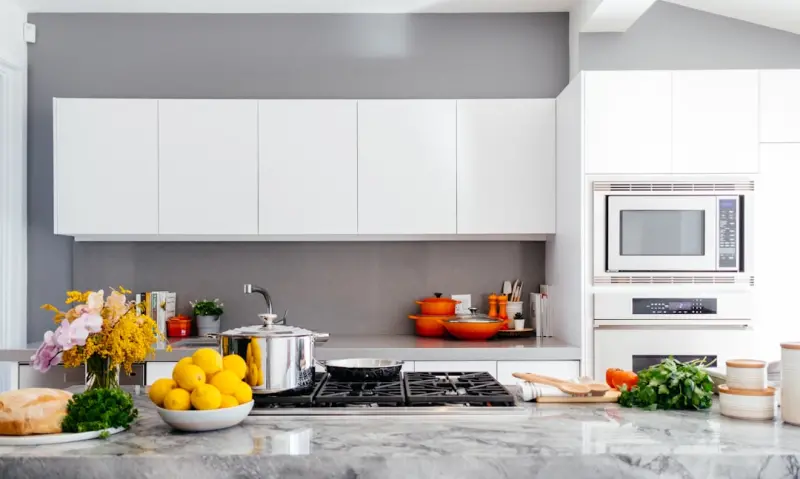
Countertop Trends that Blend Style, Smart Tech, and Sustainability
Explore how recycled quartz, concrete, and smart-integrated countertops are reshaping kitchens with sustainable style, cutting‑edge tech, and lasting value....Read More
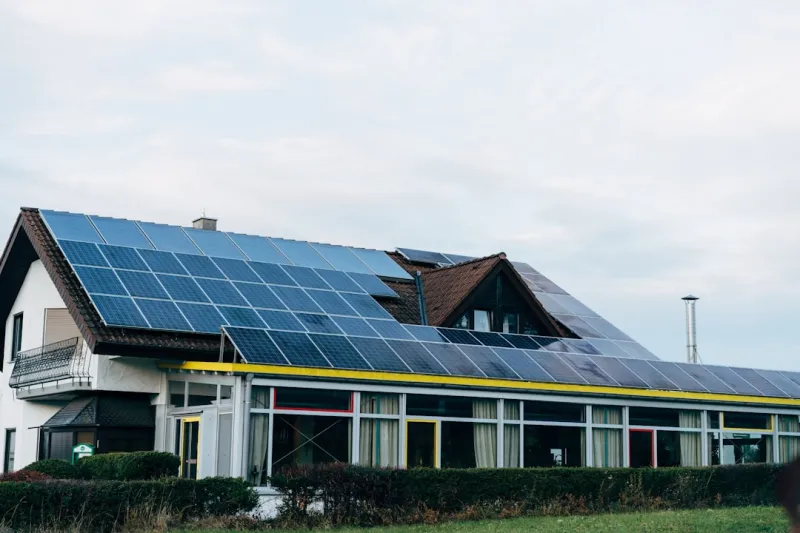
Powering Sustainable Homes: Modern Electrical Practices for the Eco‑Conscious
Learn how to upgrade your home’s wiring with sustainable practices, smart technology, and maintenance tips that save energy, money, and the planet....Read More

Why Insulated Garage Doors Are the Unsung Heroes of Energy Efficiency
Insulated garage doors act as a thermal barrier, reducing energy loss, enhancing security, and boosting curb appeal. Learn how the right door can save money, im...Read More
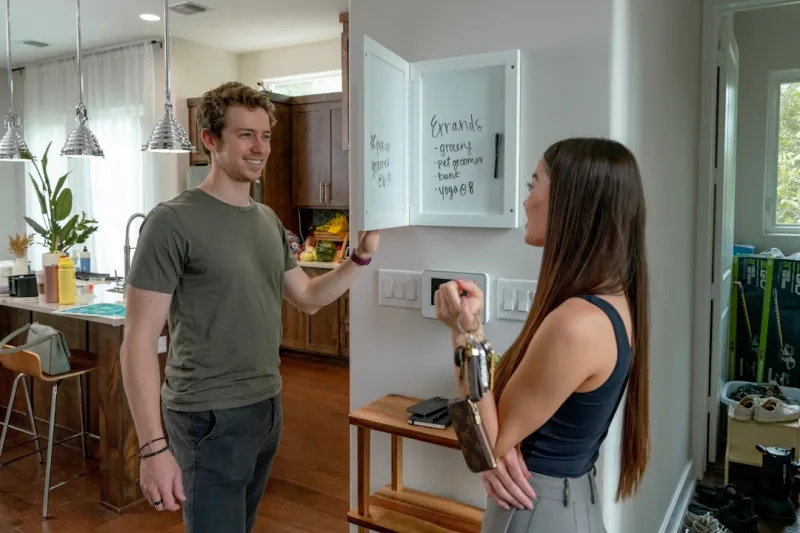
The Hidden Power of Insulation: Transform Your Home into a Sustainable Sanctuary
Explore why insulation is the cornerstone of a sustainable home, learn material choices, DIY tips, and maintenance strategies to maximize comfort and savings....Read More
0 Comments
Post Comment
You will need to Login or Register to comment on this post!