
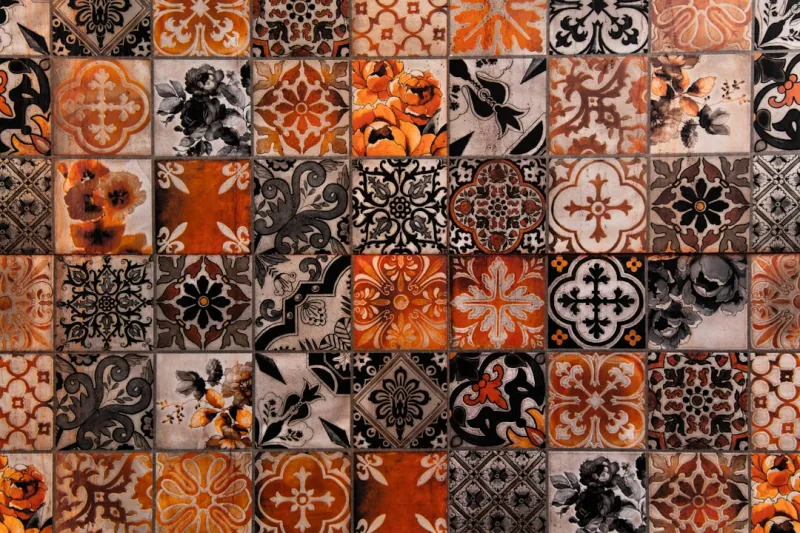
The Green Revolution in Tiling: Sustainable Solutions for a Modern Home
As a seasoned expert in the tiling industry, I, David MacKinnon, have witnessed a significant shift towards sustainable practices in recent years. Homeowners are becoming increasingly environmentally conscious, and the demand for eco-friendly tiling solutions is on the rise. In this article, I will explore the latest trends and innovations in sustainable tiling, and how they can benefit your next home renovation project.
The importance of sustainability in home renovation cannot be overstated. Not only does it reduce the environmental impact of construction, but it also provides numerous benefits for homeowners, including improved indoor air quality, reduced energy consumption, and increased property value. When it comes to tiling, there are several ways to incorporate sustainable practices into your project. One approach is to opt for eco-friendly materials, such as recycled glass tiles or sustainably sourced natural stone.
Eco-Friendly Tiling Materials
The market for eco-friendly tiling materials has expanded significantly in recent years, offering a wide range of options for homeowners. Some popular choices include:
- Recycled glass tiles: Made from post-consumer glass waste, these tiles reduce the amount of waste sent to landfills and conserve natural resources.
- Sustainably sourced natural stone: Look for stone suppliers that adhere to environmentally responsible quarrying practices.
- Low-VOC (volatile organic compound) adhesives: These adhesives emit fewer fumes and improve indoor air quality.
When selecting eco-friendly tiling materials, it's essential to consider factors such as durability, maintenance requirements, and aesthetic appeal. While some eco-friendly options may be more expensive upfront, they can provide long-term cost savings and benefits for homeowners.
Sustainable Tiling Techniques
In addition to choosing eco-friendly materials, sustainable tiling techniques can also make a significant impact on the environmental footprint of your project. One approach is to opt for large-format tiles, which require less adhesive and result in fewer joints. This not only reduces waste but also improves the overall durability of the tile installation.
Another technique is to use a "thin-set" installation method, which uses a minimal amount of adhesive to secure the tiles. This approach not only reduces waste but also improves the overall energy efficiency of the tile installation.
The Benefits of Sustainable Tiling
The benefits of sustainable tiling are numerous, and they extend beyond environmental considerations. Some of the advantages of eco-friendly tiling include:
- Improved indoor air quality: Eco-friendly tiling materials and techniques can reduce the presence of VOCs and other pollutants in the air.
- Increased property value: Sustainable tiling solutions can enhance the aesthetic appeal and durability of your property, making it more attractive to potential buyers.
- Reduced maintenance costs: Eco-friendly tiling materials and techniques can provide long-term cost savings by reducing the need for repairs and replacements.
Case Study: A Sustainable Tiling Project
To illustrate the benefits of sustainable tiling, let's consider a real-life example. A homeowner in a urban area decided to renovate their bathroom using eco-friendly tiling materials and techniques. They opted for recycled glass tiles and a thin-set installation method, which not only reduced waste but also improved the overall energy efficiency of the tile installation.
The result was a beautiful and functional bathroom that not only reduced the environmental impact of the renovation but also provided numerous benefits for the homeowner. The eco-friendly tiling solution improved indoor air quality, reduced maintenance costs, and increased the overall value of the property.
The Future of Sustainable Tiling
As the demand for sustainable tiling solutions continues to grow, we can expect to see even more innovative products and techniques emerge in the market. Some trends to watch include:
- Integration of technology: The use of technology, such as 3D printing and digital fabrication, is becoming increasingly prevalent in the tiling industry.
- Development of new materials: Researchers are continually exploring new materials and technologies that can provide sustainable and eco-friendly tiling solutions.
Conclusion
In conclusion, sustainable tiling is no longer just a niche trend; it's a mainstream movement that's here to stay. By incorporating eco-friendly materials and techniques into your tiling project, you can reduce the environmental impact of construction, improve indoor air quality, and increase the overall value of your property. As a homeowner or contractor, it's essential to stay informed about the latest developments in sustainable tiling and to make conscious choices that benefit both your clients and the environment. For more information on sustainable home renovation, check out our comprehensive guide to eco-friendly renovations.

David MacKinnon is a dynamic freelance writer known for his captivating storytelling and keen insights into the world of technology. With a passion for exploring the intersection of innovation and everyday life, he crafts engaging narratives that not only inform but also inspire his readers.
Related Posts
The Future of Tiling: How Sustainable Solutions Are Revolutionizing the Industry
The tiling industry is undergoing a significant shift towards sustainability, driven by growing dema... Read More
Tile Trends That Transform Your Home: From Materials to Smart Integration
Explore fresh tile trends, from sustainable materials and bold patterns to sensor‑embedded floors,... Read More

The Hidden Power of Tiles: Merging Design, Tech, and Performance
Tiles are evolving from decorative surfaces into smart, sustainable platforms. This post explores se... Read More
Top Posts

The Hidden Power of Energy Inspections: How to Slash Bills and Boost Comfort
Energy inspections reveal hidden inefficiencies that drain your wallet. Learn how a thorough audit can slash bills, boost comfort, and increase home value with ...Read More
Proactive Façade Maintenance: Leveraging IoT for Smarter Property Care
A sensor‑driven, data‑rich approach to façade upkeep can slash emergency repair costs, boost tenant satisfaction, and extend the life of building envelopes...Read More
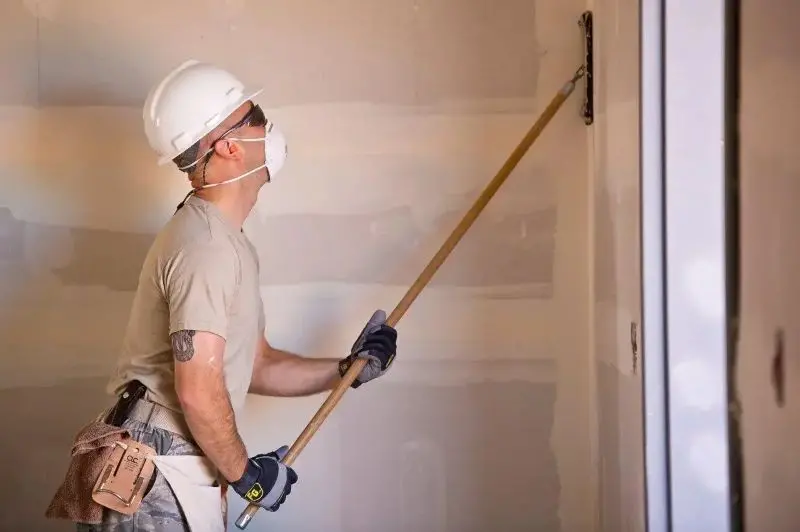
The Art of Drywall: From Rough‑In to Finish
A seasoned pro shares step‑by‑step drywall insights—planning, material choice, hanging, taping, sanding, and acoustic tricks—to help you achieve flawles...Read More
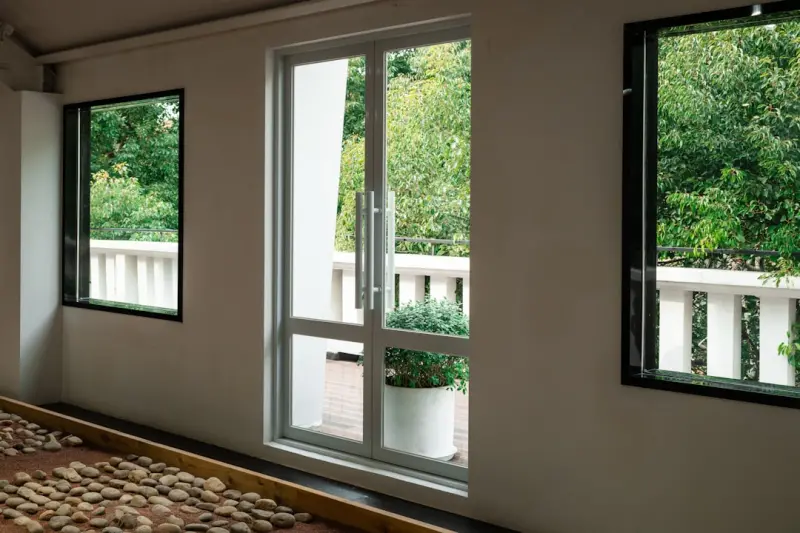
From Frame to Function: Rethinking Windows & Doors for a Circular Future
A circular fenestration strategy transforms windows and doors from disposable components into reusable assets, delivering cost savings, lower carbon footprints,...Read More
0 Comments
Post Comment
You will need to Login or Register to comment on this post!