
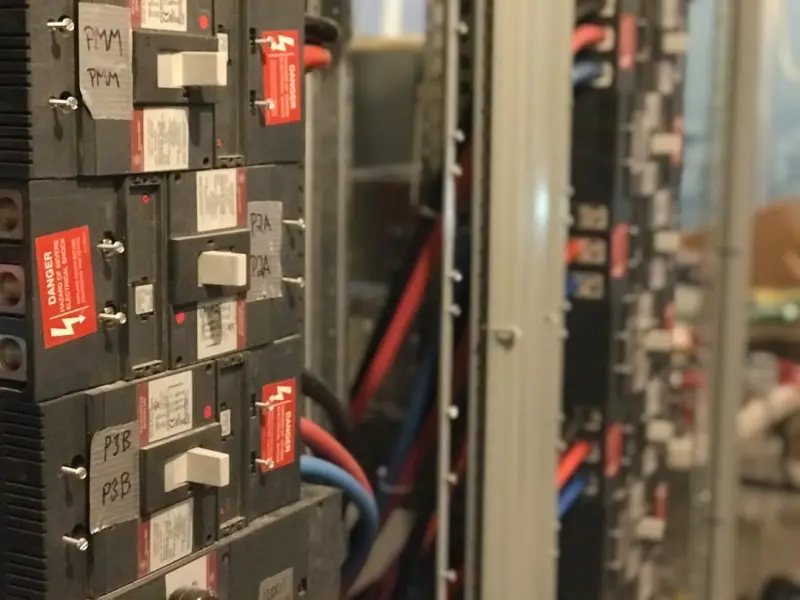
When I walked into a renovated loft last month, the first thing that caught my eye wasn’t the exposed brick or the soaring ceilings – it was the way the electrical backbone seemed to disappear, yet power every device, every sensor, every light with the elegance of a magician’s trick. That’s the promise of modular, plug‑and‑play electrical distribution: a system that grows and shrinks with the space it serves, without the endless maze of conduit and panels that have haunted facilities managers for decades.
Why Traditional Distribution Is Holding Your Business Back
Most commercial spaces still rely on a hard‑wired, monolithic distribution network. These systems were designed for static layouts: a fixed number of workstations, a predictable load, and a one‑time installation that is expected to last decades. In reality, today’s offices are fluid. Teams reorganize weekly, new tech arrives daily, and sustainability goals demand that we rethink how electricity is delivered.
Legacy setups suffer from three core problems:
- Inflexibility – Adding a new circuit often means pulling fresh conduit, re‑labeling panels, and scheduling costly outages.
- Inefficiency – Over‑sized feeders are common because designers add a safety buffer, leading to higher losses and wasted capacity.
- Visibility Gaps – Facility teams lack real‑time insight into load distribution, making it hard to spot anomalies before they become outages.
These issues translate into lost productivity, higher operating expenses, and a slower response to emerging business needs.
Enter Modular Distribution: The Core Concepts
Modular distribution flips the script by treating electrical delivery as a series of building‑block units that can be snapped together, swapped out, or expanded on demand. Think of it as a LEGO set for power, where each block is a pre‑tested, certified module that contains all the necessary protection, monitoring, and connectivity.
Three principles define this approach:
- Standardized Interfaces – Every module adheres to a common mechanical and electrical interface, ensuring that a
200 Afeeder can be swapped for a400 Aversion without rewiring the entire building. - Embedded Intelligence – Sensors built into each block feed data to a central dashboard, delivering live load profiles, temperature trends, and fault alerts.
- Scalable Architecture – Modules can be added vertically (stacked in a rack) or horizontally (distributed across floor plates), matching the exact footprint of the space.
From Theory to Practice: Real‑World Benefits
Let me walk you through a typical scenario that illustrates the ROI of modular distribution.
- Rapid Reconfiguration – A tech startup in a coworking hub needed to double its workstation count overnight. With a modular system, the facilities team simply added two advanced inspection tech‑enabled modules, plugged them into the existing rack, and restored power in under two hours. No trenching, no permits.
- Energy Savings – Because each module monitors its own load, the building management system can intelligently balance demand, shutting down under‑utilized sections during off‑peak periods. In a pilot, a 5,000 sq ft office saved 12% on electricity bills within six months.
- Predictive Maintenance – Embedded diagnostics flag a temperature rise in a feeder before it trips, allowing maintenance crews to replace a component during scheduled downtime rather than after a failure.
These advantages compound as the system scales, turning a once‑static electrical plan into a dynamic asset that supports business agility.
Designing a Modular System: Key Considerations
When you’re ready to adopt this approach, keep the following factors front and center:
1. Choose the Right Form Factor
Modules come in several sizes, from compact tray‑mount units that fit under raised floors to full‑height rack units that sit alongside server cabinets. Selecting the form factor that aligns with your space constraints and future expansion plans is critical.
2. Prioritize Certification and Compliance
Even though the modules are pre‑tested, you must verify that they meet local code requirements (e.g., UL, IEC, or CSA). Look for products that carry a complete compliance package, including documentation for fire‑rating, voltage drop, and short‑circuit rating.
3. Leverage Integrated Monitoring
One of the biggest value‑adds is the data stream each module produces. A modern dashboard should provide:
- Real‑time amperage per phase
- Harmonic distortion analysis
- Temperature and humidity trends
- Event logs for every breaker operation
When paired with roof‑level monitoring solutions, you gain a holistic view of your building’s energy footprint.
4. Plan for Redundancy
Modular systems make redundancy straightforward. By configuring parallel paths, you can ensure that a single module failure doesn’t cripple an entire zone. This is especially important for critical environments like data centers or labs.
5. Embrace a Lifecycle Mindset
Think of each module as a lease rather than a permanent install. When technology evolves (e.g., new standards for electric vehicle charging), you can retire the outdated block and replace it without disturbing the surrounding infrastructure.
Case Study: A Flexible Office Campus
A mid‑size consulting firm recently overhauled its 12‑story campus using a modular approach. Their objectives were clear:
- Accommodate rapid team growth without major construction.
- Reduce annual energy spend by 10%.
- Implement a monitoring system that alerts facilities staff to abnormal loads within minutes.
Implementation steps:
- Audit Existing Loads – Engineers mapped current consumption and identified over‑provisioned circuits.
- Select Modules – They chose a combination of 400 A and 800 A rack‑mount units, each with built‑in metering.
- Install and Integrate – The modular racks were placed in the existing mechanical rooms, and the data streams were fed into a cloud‑based analytics platform.
- Validate and Optimize – Within three months, the firm reported a 13% reduction in energy costs and zero unplanned outages.
Beyond the numbers, the firm praised the “plug‑and‑play” experience, noting that re‑configuring a floor for a new client required only a half‑day of work, compared to the week‑long shutdowns of their previous setup.
Future‑Proofing: Beyond Power Delivery
Modular distribution isn’t just about electricity. It sets the stage for integrating emerging technologies such as:
- Vehicle‑to‑Building (V2B) Charging – As electric fleets grow, you can slot in high‑capacity charging modules without re‑engineering the entire sub‑panel.
- On‑Site Energy Storage – Battery modules can be added to the same rack, allowing seamless transition between grid‑sourced power and stored energy during peak demand periods.
- Edge Computing Nodes – Small compute modules can be co‑located with power blocks, reducing latency for IoT devices that need local processing.
Because each module follows the same interface standards, the system can evolve organically, protecting your capital investment against obsolescence.
Implementation Checklist
Before you start, run through this quick checklist to ensure a smooth rollout:
- Map current and projected loads for each zone.
- Identify the appropriate module sizes and form factors.
- Confirm that all components carry the necessary certifications.
- Choose a monitoring platform that supports API integration.
- Develop a phased migration plan that minimizes downtime.
- Train facilities staff on module replacement and diagnostics.
Common Misconceptions Debunked
Myth 1: Modular systems are more expensive upfront. While the initial unit cost can be slightly higher, the total cost of ownership drops dramatically due to reduced labor, lower energy losses, and avoided emergency repairs.
Myth 2: They’re only for tech‑heavy environments. Any building that experiences changes—whether a retail store expanding its floor space or a hospital adding new wings—benefits from the flexibility.
Myth 3: They lack the robustness of traditional panels. Modules are built to the same standards as conventional equipment, often exceeding them with added diagnostics and tighter thermal management.
Getting Started: A Practical First Step
If you’re intrigued, begin with a pilot on a single floor or a non‑critical area. Install a pair of modular racks, integrate the monitoring dashboard, and track performance for three months. Use the data to build a business case for a broader rollout. The beauty of this approach is that the pilot itself becomes a reusable component—just swap it out when you’re ready to expand.
In a world where flexibility is king, the electrical backbone should be the first thing you make adaptable. Modular, plug‑and‑play distribution gives you the freedom to redesign, scale, and future‑proof your spaces without the headache of traditional rewiring. It’s time to let your power system keep pace with the way you work.

Craig Brett is a freelancer with a passion for the outdoors. His love for nature inspires his work, bringing authentic and engaging perspectives to projects related to outdoor activities, adventure, and environmental topics.
Related Posts

Electrifying the Bottom Line: How Smart Panels Turn Power Into Profit
Smart electrical panels are evolving from passive distributors to active data hubs, offering real-ti... Read More

Digital Twins Transform Building Electrical Systems
Digital twins turn static electrical schematics into live, data‑rich replicas that predict failure... Read More

Modular Electrical Distribution: Building Agile Power for Modern Workplaces
A deep dive into modular electrical distribution, exploring its components, benefits, real‑world a... Read More
Top Posts

Why Intelligent Gutters Are the Unsung Heroes of Building Performance
This post reveals how smart gutter technology transforms ordinary rainwater channels into proactive building assets, delivering cost savings, risk reduction, an...Read More

The Hidden Life of Moisture: Data‑Driven Waterproofing for Future‑Proof Buildings
A deep dive into active waterproofing systems that use real‑time moisture data, AI predictions, and integrated building management to protect structures, exte...Read More

Designing Spaces That Listen: The Quiet Revolution in Interior Design
A deep dive into how acoustic treatments, biophilic touches, adaptive lighting, and modular furniture can turn any workspace into a dynamic, performance‑boost...Read More

Concrete as a Brand‑Defining Asset: From Color to Data
Explore how modern businesses can transform concrete from a passive foundation into a dynamic brand asset using integrated color, rapid modular formwork, and em...Read More
0 Comments
Post Comment
You will need to Login or Register to comment on this post!