
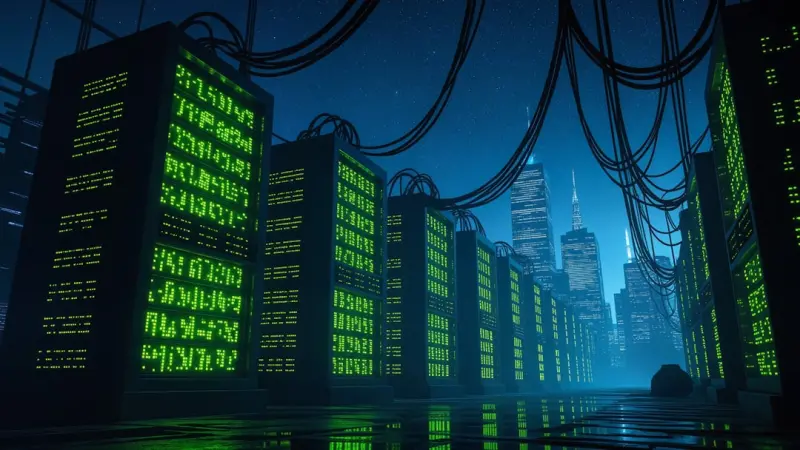
Why Digital Twins Are the Next Frontier for Building Electrical Systems
When I first walked onto a construction site with a clipboard full of schematics, the electrical layout was a static, paper‑driven beast. You’d see a maze of conduit, panels, and breakers, and the best you could do was hope that everything would line up when the final connection was made. Fast forward a decade, and we have digital twins—living, breathing replicas of those same systems that exist in the cloud, updating in real time as conditions change.
In this post I’ll walk you through the practical why, what, and how of bringing digital twins into the electrical domain. You’ll learn how they can slash downtime, improve safety, and unlock revenue streams you didn’t even know existed. And, because I’m a firm believer in learning from the broader ecosystem, I’ll tie in lessons from energy inspection and the data‑centric mindset behind smarter foundations.
The Core Idea: A Real‑Time, Data‑Rich Replica
A digital twin of an electrical system is more than a 3‑D model. It’s a dynamic data layer that mirrors voltage, current, harmonic distortion, temperature, and even the health of individual components. Sensors embedded in panels, circuit breakers, and even smart outlets feed the twin a constant stream of telemetry. The twin then runs simulation algorithms that can predict overloads, flag arc‑fault risks, and suggest optimal load balancing—all before the physical system shows any symptom.
Think of it as a “what‑if” playground. Want to know what happens if you add a high‑power server rack on the third floor? Plug the load into the twin, watch the voltage drop simulation, and adjust the feeder size before you order any copper. The result is a reduction in costly re‑work, a smoother commissioning phase, and a safer environment for the people who occupy the building.
From Reactive to Proactive: The Business Case
Historically, electrical maintenance has been reactive. A breaker trips, an electrician is called, and the issue is fixed—often after an interruption to operations. Digital twins flip that script.
- Reduced Downtime: Predictive analytics can forecast a potential failure 72 hours in advance, allowing you to schedule maintenance during non‑peak hours.
- Extended Asset Life: By monitoring temperature trends and load profiles, the twin can recommend load shifting to prevent premature wear on transformers and cables.
- Energy Cost Savings: Real‑time load optimization can shave off up to 15% of electricity bills by flattening demand peaks.
- Regulatory Edge: Aligns with energy inspection requirements, turning compliance data into a strategic advantage.
For enterprises that run data centers, manufacturing lines, or large office complexes, those savings translate directly into bottom‑line impact.
Key Components of an Electrical Digital Twin
Building a functional twin isn’t a “plug‑and‑play” scenario. You need three pillars: data acquisition, a robust simulation engine, and an integration layer that ties everything back to operational workflows.
1. Sensor Infrastructure
Modern IoT‑grade sensors are tiny, inexpensive, and capable of measuring everything from line voltage to harmonic content. Critical points include:
- Panel‑level smart meters for aggregate load data.
- Breaker‑embedded current transformers for granular fault detection.
- Temperature probes on cables and connectors to catch hot spots.
- Power quality analyzers that flag voltage sags, swells, and flicker.
When you choose sensors, look for open communication standards (like MQTT or OPC UA). Interoperability keeps the cost low and future‑proofs the system.
2. The Simulation Engine
At the heart of the twin is a physics‑based model that respects Kirchhoff’s laws, conductor resistance, and the non‑linear behavior of devices such as variable frequency drives (VFDs). Commercial platforms already exist—some are built specifically for utilities, others are adaptable for commercial real estate. The engine should support:
- Load flow analysis under varying conditions.
- Arc‑flash and fault current calculations.
- Thermal modeling for cable derating.
- Scenario testing (e.g., “What if we add a rooftop EV charger?”).
3. Integration & Actionability
The twin must speak the language of your existing building management system (BMS), Computer‑Aided Facility Management (CAFM) tools, and enterprise resource planning (ERP) platforms. When the twin predicts a fault, it should automatically generate a work order in your maintenance ticketing system, attach the relevant data, and notify the responsible technician.
In practice, this means leveraging REST APIs or webhook mechanisms that push alerts to Slack, Microsoft Teams, or even SMS for on‑call staff.
Implementation Roadmap: A Pragmatic Six‑Step Guide
Below is the playbook I’ve refined over several projects, from a 10‑story office tower to a sprawling industrial campus.
- Stakeholder Alignment – Bring together facilities managers, IT, finance, and safety officers. Define clear KPIs (e.g., downtime reduction, cost savings, safety incident reduction).
- Audit Existing Assets – Create a digital inventory of panels, breakers, transformers, and critical loads. This will become the base geometry for the twin.
- Sensor Deployment Strategy – Prioritize high‑risk zones (data centers, heavy‑load manufacturing cells) for immediate sensor rollout. Use wireless mesh networks to reduce cabling.
- Select a Simulation Platform – Evaluate vendors based on model fidelity, scalability, and integration capabilities. Many providers offer a sandbox environment for proof‑of‑concept.
- Data Integration & Calibration – Feed live sensor data into the twin, calibrate the model against known loads, and validate predictions with a controlled test (e.g., intentionally over‑load a non‑critical circuit).
- Operationalize & Iterate – Set up alert thresholds, automate work orders, and continuously refine the model as you gather more data. Schedule quarterly reviews to measure KPI progress.
Case Study Snapshot: Turning a Legacy Office Building into a Smart Electrical Hub
One of my recent engagements involved a 25‑year‑old office building that suffered frequent breaker trips during peak summer months. The building lacked any modern monitoring, and the electrical contractor’s maintenance schedule was purely calendar‑based.
We began by installing smart meters on the main distribution panels and retrofitting critical breakers with current transformers. Within weeks, the twin flagged a pattern: a combination of HVAC chillers and a newly added data‑center rack consistently pushed the main feeder beyond its safe limit between 2 pm and 4 pm.
Armed with this insight, the facilities team re‑programmed the HVAC’s demand‑response schedule, shifted some non‑essential loads to the evening, and upgraded the feeder with a higher‑capacity conductor. The result?
- Breaker trips dropped from an average of 4 per month to zero.
- Electricity demand peaks flattened, shaving 12% off the utility demand charge.
- The client used the data to negotiate a better lease term, highlighting the building’s “zero‑downtime electrical reliability” as a selling point.
This example illustrates the power of turning raw telemetry into actionable intelligence—a theme that also underpins smarter foundations across the entire built environment.
Safety Gains: Detecting Arc‑Faults Before They Ignite
Arc‑fault detection is a classic use case for digital twins. Traditional arc‑fault circuit interrupters (AFCIs) are point solutions; they protect a specific circuit but don’t give you a holistic view. A twin aggregates data from hundreds of AFCIs, applies machine‑learning classifiers, and can predict the likelihood of an arc event across the entire distribution network.
When the probability crosses a predefined threshold, the twin triggers an alert that includes:
- Exact location (panel, circuit number).
- Historical load profile leading up to the event.
- Recommended corrective action (e.g., tighten a loose connection, replace a worn conductor).
This pre‑emptive capability dramatically reduces fire risk, especially in facilities that house flammable materials or high‑value equipment.
Integrating Renewable Micro‑Grids: A Twin‑First Approach
Many enterprises are now installing rooftop solar arrays, battery storage, and even onsite wind turbines. The electrical twin becomes the control brain for these micro‑grids, orchestrating when to charge, discharge, or export power.
By simulating the interaction between the building load, storage state‑of‑charge, and utility tariffs, the twin can:
- Maximize self‑consumption of renewable generation.
- Participate in demand‑response programs without jeopardizing critical loads.
- Provide the data needed for compliance with energy inspection standards.
The outcome is a resilient, cost‑effective power ecosystem that aligns with corporate sustainability goals.
Future Trends: Edge Computing and AI‑Driven Twins
While most twins today rely on cloud processing, latency‑sensitive applications—like real‑time fault isolation—are moving to the edge. By deploying lightweight analytics at the panel level, you can achieve sub‑second response times, essential for high‑speed protection schemes.
Couple edge analytics with AI models that continuously learn from operational data, and you get a twin that not only predicts failures but also autonomously reconfigures the network to mitigate them. Think of it as an electrical system that heals itself, guided by a digital brain.
Getting Started: Quick Wins for the Skeptical CFO
If your finance team asks “What’s the ROI?” consider these low‑hanging fruits:
- Install smart meters on the top three energy‑intensive panels. The data alone can reveal load imbalances that, once corrected, cut peak demand.
- Integrate the twin with your existing BMS. A simple dashboard that visualizes voltage sag events can prevent costly equipment failures.
- Run a pilot for arc‑fault prediction. Even a single prevented fire incident saves millions in potential damage.
Start small, demonstrate tangible savings, and scale the twin’s scope gradually. The incremental approach keeps capital expenditure manageable while building internal expertise.
Conclusion: The Electrical Twin Is Not a Luxury—It’s a Necessity
In an era where data is the new utility, the electrical system must earn its place as a first‑class digital asset. Digital twins give you the visibility, predictive power, and operational agility to transform a static wiring diagram into a living, self‑optimizing platform. Whether you’re chasing lower energy bills, tighter safety margins, or the strategic advantage of a resilient micro‑grid, the twin provides the foundation.
So the next time you hear someone talk about “smart building” in vague terms, ask them: “Do you have a digital twin of your electrical system?” If the answer is no, you’ve just identified the most compelling opportunity on their roadmap.

Paul Gray is a dynamic blogger based in Brampton, where he shares his life with his amazing wife, Sarah. Known for his engaging writing style and relatable insights, Paul has carved out a niche in the blogging world that resonates with readers from all walks of life. When he's not crafting captivating posts, you can find him savoring a cold beer or indulging in the latest blockbuster movie. With a friendly demeanor and a passion for storytelling, Paul brings a unique perspective to his work, making him not just a blogger, but a voice for those who appreciate the simple joys of life.
Related Posts

Beyond the Fuse Box: How Modular Power Grids Are Powering the Next Generation of Smart Buildings
Traditional electrical systems are rigid and wasteful, but modular power distribution combined with ... Read More
Electrifying the Future: How Dynamic Power Distribution Is Redefining Modern Workspaces
Dynamic power distribution replaces static circuits with modular, AI‑driven hubs, delivering realâ... Read More
Digital Twins: The New Frontier for Electrical Infrastructure
Digital twins turn electrical systems from opaque black boxes into transparent, predictive assets, e... Read More
Top Posts

The Data‑Driven Playbook Every Facility Leader Needs for Foundation Repair
A data‑first approach to foundation repair turns hidden risks into measurable savings. Discover a step‑by‑step playbook that integrates sensors, digital t...Read More
Unlocking the Hidden Potential of Sheds & Gazebos: A Hands‑On Guide
A practical, hands‑on guide to choosing, building, and maintaining versatile sheds and gazebos that enhance your backyard’s utility and charm....Read More

When Countertops Get Smart: How Embedded Tech Is Redefining the Heart of the Home
Smart countertops are evolving from static slabs into interactive platforms that sense, react, and predict, offering health, energy, and design benefits while p...Read More

Revamping Your Home's Aesthetic: A Comprehensive Guide to Interior Design
Discover the art of interior design and learn how to revamp your home's aesthetic with our expert guide. Get inspired and create a space that's truly yours....Read More
0 Comments
Post Comment
You will need to Login or Register to comment on this post!