
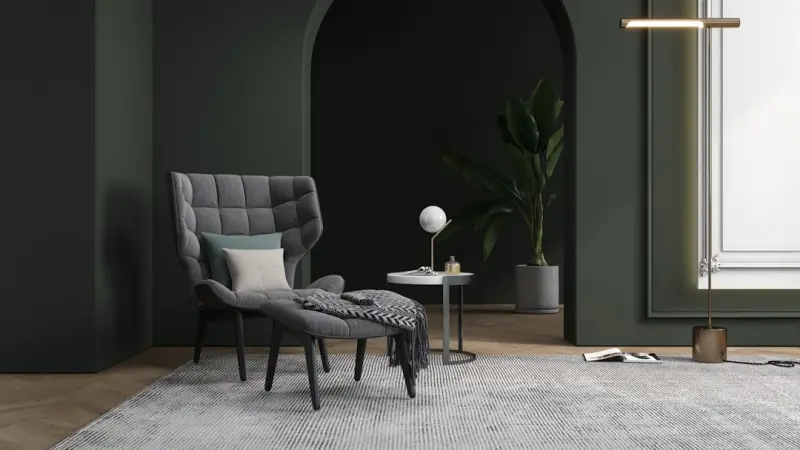
Designing Spaces That Listen: The Quiet Revolution in Interior Design
When I first walked into a downtown loft turned co‑working hub, the first thing that hit me wasn’t the sleek furniture or the bold color palette—it was the hush. The room felt insulated from the city’s clamor, yet it pulsed with an invisible energy that kept people focused, collaborative, and surprisingly relaxed. That experience reshaped my design philosophy. Today, I champion interiors that do more than look good; they listen, breathe, and respond to the people inside them. In this deep‑dive, I’ll share how acoustic mastery, biophilic touches, adaptive lighting, and modular furniture can turn any space from a static backdrop into a dynamic performance‑enhancing environment.
The Sound of Success: Acoustic Design as a Competitive Edge
Open‑plan offices have long been praised for fostering transparency, but they also create a cacophony that drains concentration. The solution isn’t to seal off workers with glass walls; it’s to engineer the soundscape itself. By treating ceilings, walls, and floors as acoustic canvases, designers can sculpt the flow of noise, much like a conductor shapes an orchestra.
- Ceiling Clouds and Baffles: Suspended acoustic panels absorb mid‑frequency chatter while adding visual intrigue. Materials ranging from reclaimed wood to perforated metal can be customized with brand colors, turning a functional element into a statement piece.
- Floor Underlayments: High‑density rubber or cork underlayment under carpet or resilient flooring dampens footfall impact, reducing the “echo” effect that travels across large open spaces.
- Strategic Partitioning: Rather than solid walls, use glass partitions with embedded acoustic laminates. They preserve sightlines while muting sound, maintaining the collaborative ethos without the auditory overload.
Acoustic design isn’t a luxury; it’s a strategic asset that protects employee focus, cuts down on stress‑related absenteeism, and ultimately boosts productivity. If you’re curious about how subtle visual cues can amplify this effect, check out When Walls Whisper: Crafting a Narrative with Color and Texture for inspiration on marrying sound and sight.
Bringing the Outdoors In: Biophilic Design for Human Well‑Being
Biophilia isn’t just a buzzword; it’s a science‑backed approach that taps into our innate connection to nature. Studies consistently show that exposure to natural elements reduces cortisol levels, improves cognitive function, and even accelerates recovery from illness. The challenge for interior designers is to weave these elements seamlessly into the built environment.
- Living Walls: Vertical gardens not only act as natural air purifiers but also serve as vibrant focal points. When paired with low‑level LED grow lights, they thrive even in windowless zones.
- Material Palette: Opt for timber, stone, and raw fibers that echo natural textures. A reclaimed timber reception desk, for instance, tells a story of sustainability while providing tactile warmth.
- Daylight Maximization: Use light‑reflective surfaces and strategically placed mirrors to bounce natural light deeper into the interior. The result is a space that feels larger, more inviting, and energetically uplifting.
Biophilic design extends beyond décor; it influences layout choices, furniture selection, and even spatial zoning. A well‑placed indoor water feature can create a gentle white‑noise backdrop that complements acoustic treatments, reinforcing the sense of calm.
Lighting as a Performance Lever
Light is the silent director of every interior stage. It dictates mood, guides focus, and can subtly reinforce brand identity. Yet many offices still rely on generic fluorescent tubes that sap energy and morale. The modern design toolkit offers a spectrum of solutions:
- Human‑Centric Lighting (HCL): Tunable white LEDs that shift color temperature throughout the day mimic natural sunlight, supporting circadian rhythms and reducing eye strain.
- Task‑Specific Illumination: Adjustable desk lamps with glare‑free lenses empower individuals to set their own lighting levels, boosting concentration during deep‑work periods.
- Ambient Accents: Integrated cove lighting or indirect wall washers highlight architectural features without harsh glare, creating a layered visual experience.
When lighting design aligns with acoustic and biophilic strategies, the result is a cohesive environment that feels both energizing and restorative. The synergy is especially powerful in meeting rooms, where adjustable color temperature can transition a space from a brainstorming session (cool, alert) to a client presentation (warm, inviting).
Modular Furniture: Flexibility Meets Function
In the age of hybrid work, static furniture is a relic. Modern interiors demand adaptability, allowing teams to reconfigure spaces on the fly to support collaboration, solo focus, or social interaction. Here’s how modular systems deliver that flexibility without sacrificing design integrity:
- Interlocking Units: Modular desks and seating that snap together create instant work islands or breakout zones. Materials range from powder‑coated steel for durability to sustainable bamboo for an organic touch.
- Mobile Storage: Rolling cabinets and stackable shelves can be moved to accommodate changing layouts, reducing the need for permanent built‑ins.
- Transformative Surfaces: Height‑adjustable tables paired with ergonomic chairs support both standing meetings and seated work, promoting health and productivity.
For organizations that already leverage hidden storage solutions, the Smart Closets piece offers a deeper dive into integrating storage with design aesthetics.
Technology Integration: From AR Planning to Sensor‑Driven Comfort
Design is no longer a purely analog discipline. Augmented reality (AR) apps let stakeholders walk through a virtual mock‑up before any physical changes occur, dramatically reducing costly revisions. Meanwhile, IoT sensors embedded in furniture and building systems provide real‑time data on occupancy, temperature, and air quality.
When this data feeds into an intelligent building management system, the interior can dynamically adjust:
- Adaptive HVAC: Sensors detect CO₂ levels and trigger localized ventilation, ensuring fresh air where it’s needed most.
- Responsive Lighting: Occupancy sensors dim lights in unoccupied zones, slashing energy waste while preserving user comfort.
- Personalized Workstations: Desks equipped with pressure sensors remember individual height preferences, automatically adjusting when a specific employee sits down.
These tech layers transform interiors from static backdrops into living ecosystems that continuously optimize for health, efficiency, and brand alignment.
Beyond Aesthetics: Measuring the ROI of Thoughtful Design
Many decision‑makers still ask, “What’s the bottom line?” The answer lies in quantifiable metrics that link design interventions to business outcomes:
- Productivity Gains: Acoustic improvements can lift focus‑related output by up to 15%, while daylight‑rich environments have been shown to increase employee satisfaction scores by 20%.
- Health Savings: Biophilic elements reduce reported stress levels, leading to lower healthcare claims and fewer sick days.
- Energy Efficiency: Adaptive lighting and smart HVAC integration cut utility costs, often delivering payback within 18‑24 months.
By tracking these KPIs, interior designers can demonstrate that design is not an expense but a strategic investment. When presenting to executives, frame proposals in terms of cost avoidance, revenue uplift, and employee retention—not just visual appeal.
Putting It All Together: A Blueprint for the Future‑Ready Workspace
Imagine walking into an office where the hum of conversation is softened by acoustic clouds, a living wall breathes life into the reception, and sunlight streams through glare‑controlled glass. Your desk adjusts to your preferred height, while subtle LED lighting shifts to match the time of day. Behind the scenes, sensors fine‑tune temperature and air quality, and an AR interface lets you preview any layout change in seconds.
This isn’t a utopian fantasy; it’s a realistic, implementable vision when you align acoustic strategy, biophilic design, adaptive lighting, modular furniture, and technology integration under a single design philosophy. The key is to treat each element as a piece of an orchestrated system rather than isolated upgrades.
When you approach a redesign project, start with a diagnostic audit: measure current sound levels, assess daylight penetration, inventory existing furniture flexibility, and map out tech infrastructure. From there, prioritize interventions that deliver the highest ROI—often acoustic treatment and daylight optimization are low‑cost, high‑impact first steps. Then layer in biophilic and modular components as the budget allows.
In my practice, I’ve seen teams move from a chaotic, noisy environment to a calm, productive hub simply by swapping out a few ceiling panels and adding a strategically placed indoor garden. The ripple effect was immediate: meeting durations shortened, collaborative brainstorming surged, and employee turnover dropped. That transformation epitomizes why interior design, when done with intention, becomes a silent yet powerful revenue engine.
Final Thoughts: The Designer as a Strategic Partner
Our role as interior designers has evolved from curating pretty spaces to engineering environments that drive business performance. By embracing acoustic mastery, biophilic integration, intelligent lighting, modular flexibility, and data‑driven technology, we create interiors that listen, adapt, and inspire. The future workplace isn’t just about where you sit—it’s about how the space feels, sounds, and supports you every moment of the day.
Ready to turn your office into a performance‑enhancing environment? Let’s start the conversation. Together, we’ll design a space that not only looks great but also listens, heals, and propels your organization forward.

Tom Ferguson is a Canadian freelance writer with a passion for storytelling, current events, and thoughtful commentary. Drawing on years of writing experience, he shares engaging insights on a wide range of topics, bringing a uniquely Canadian perspective to his work.
Related Posts
Designing a Sustainable Sanctuary: Interior Trends that Transform Your Home
Discover how to blend style, sustainability, and smart technology in interior design, creating a hom... Read More
Listening to Spaces: The Quiet Power of Sound, Color, and Texture in Interior Design
Discover why interior design now hinges on more than visual appeal. This article reveals how soundsc... Read More

Designing Interiors That Nurture Body, Mind, and Soul
Discover fresh interior design strategies that prioritize wellbeing, sustainability, and style—tur... Read More
Top Posts
The Triple‑S Guide to Countertop Design: Sensory, Sustainable, and Spatial Excellence
Discover how the Triple‑S Framework—Sensory, Sustainable, and Spatial—redefines countertop choices, blending tactile delight, eco‑friendly materials, an...Read More

Warmth as Narrative: Rethinking Floor Heating for Design, Heritage, and Wellness
Floor heating isn’t just about warmth; it’s a subtle design tool that can preserve heritage, improve acoustics, and create immersive experiences, all while ...Read More
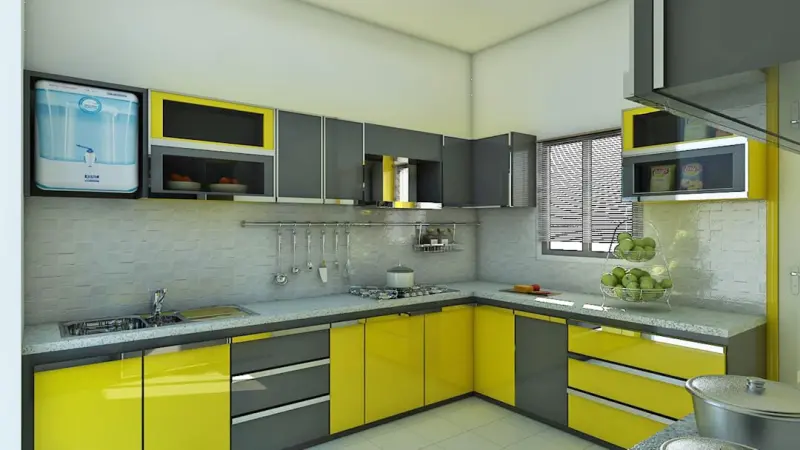
Designing a Kitchen That Works: Flow, Function, and Future‑Proofing
I share the behind‑the‑scenes decisions that turned a cramped cooking space into a seamless, future‑ready kitchen—focusing on layout, lighting, and smar...Read More

Beyond the Meter: How Real‑Time Energy Inspection Is Transforming Facility Management
Real‑time energy inspection replaces periodic audits with continuous, AI‑enhanced monitoring, delivering immediate savings, smarter retrofits, and stronger ...Read More
0 Comments
Post Comment
You will need to Login or Register to comment on this post!