
When city life squeezes every square foot into a tight squeeze, the garden‑lover’s imagination can still stretch far beyond the concrete. The answer? A pocket greenhouse—a compact, transparent sanctuary that slips onto a balcony railing, tucks under a stairwell, or nests in a narrow patio nook. It’s not a gimmick; it’s a purposeful, design‑driven solution that lets you harvest fresh herbs, micro‑greens, and even dwarf fruit trees all year round, regardless of the climate outside.
Why Pocket Greenhouses Are Gaining Momentum
Modern homeowners crave two things simultaneously: the tranquility of nature and the efficiency of space‑saving design. Traditional greenhouses demand acres of land and a hefty budget—luxuries most urban dwellers simply don’t have. Pocket greenhouses flip that script. By scaling down the envelope and focusing on high‑performance glazing, intelligent ventilation, and modular shelving, they deliver a micro‑climate that can be fine‑tuned to the exact needs of your plants.
Beyond the practical benefits, there’s a psychological edge. Studies show that caring for living things reduces stress, improves focus, and even boosts creativity. A pocket greenhouse placed next to your morning coffee spot becomes a living work of art, a subtle reminder that growth is possible even in the smallest of spaces.
The Core Elements of an Effective Pocket Greenhouse
- Structure and Frame: Choose lightweight yet sturdy materials such as anodized aluminum or recycled composite. These resist corrosion and keep the overall weight manageable for balcony railings.
- Glazing: Double‑wall polycarbonate panels or low‑iron tempered glass provide excellent light transmission while insulating against temperature swings. Look for a U‑value of 2.0 W/m²·K or better.
- Ventilation System: Passive vents at the top and bottom of the frame create a natural convection loop. For tighter control, add a small solar‑powered exhaust fan that activates when interior humidity exceeds 70%.
- Shelving and Layout: Adjustable, stackable shelves let you grow vertically. Incorporate a mix of shallow trays for seedlings and deeper pots for mature plants.
- Thermal Mass: A few strategically placed water barrels or stone slabs absorb daytime heat and release it at night, smoothing out temperature fluctuations.
Choosing the Right Location
Sunlight is the lifeblood of any greenhouse, but the amount you need varies by plant. Most herbs and leafy greens thrive with 4–6 hours of direct sun, while fruiting plants like dwarf tomatoes crave 8–10 hours. Position your pocket greenhouse on a south‑facing wall or rail whenever possible. If that’s not an option, consider reflective surfaces—light‑colored walls, mirrored panels, or a simple sheet of Mylar—to bounce additional light onto the plants.
Don’t forget wind. Even a gentle breeze can cause heat loss or damage a lightweight frame. Use windbreaks like lattice panels or a row of decorative trellises to shield the structure without compromising airflow.
Integrating Technology Without Overcomplicating
While the concept of a pocket greenhouse celebrates simplicity, a dash of smart tech can dramatically improve yields. A compact, Wi‑Fi‑enabled sensor kit can monitor temperature, humidity, and soil moisture, sending alerts to your phone when conditions drift outside optimal ranges. Pair this data with a tiny, solar‑powered misting system for automatic humidity control.
If you’re already familiar with the soil microbiomes that underpin a healthy lawn, you’ll appreciate that the same principles apply here. Inoculating your potting mix with beneficial microbes encourages stronger root systems, improves nutrient uptake, and can even help fend off common pests.
Designing for Aesthetics: The Greenhouse as a Decor Piece
Gone are the days when a greenhouse was a utilitarian shed. Today, the pocket greenhouse is a statement of style. Choose a frame color that complements your balcony’s railing or the exterior paint of your home. Incorporate natural wood accents for a warm, organic feel, or go ultra‑modern with sleek matte black aluminum.
Plants themselves become the décor. Mix foliage textures—feathery ferns, succulent rosettes, and trailing vines—to create visual depth. Add a few ornamental grasses that sway gently with the breeze, offering movement and a soft soundtrack to your outdoor retreat.
Seasonal Strategies for Year‑Round Harvest
Winter can be the most challenging season, especially in colder climates. Here’s how to keep the green thumb thriving when the temperature drops:
- Insulate the Frame: Attach a removable thermal blanket to the interior during frosty nights. Materials like horticultural fleece retain heat without blocking light.
- Use Heat‑Retaining Plants: Opt for cold‑hardy varieties such as kale, arugula, and certain dwarf citrus trees that can tolerate lower temperatures.
- Supplement Light: LED grow lights positioned on a timer can provide an extra 2–4 hours of light during short winter days, ensuring photosynthesis continues uninterrupted.
- Regulate Moisture: Winter air is dry; a simple tray of water inside the greenhouse can raise humidity levels, preventing leaf desiccation.
In summer, the focus flips to preventing overheating. Shade cloths, reflective paint on the exterior, and strategic vent placement become your best allies.
Companion Planting Inside a Pocket Greenhouse
Companion planting isn’t just for large plots. Even within a modest footprint, thoughtful pairing can boost yields and deter pests. Plant basil alongside tomatoes to improve flavor and repel aphids. Marigolds, with their strong scent, can protect leafy greens from nematodes. The confined environment of a pocket greenhouse actually intensifies these beneficial interactions, as roots and foliage are in closer proximity.
Low‑Maintenance Options for Busy Professionals
If you’re juggling a full schedule, consider these “set‑and‑forget” strategies:
- Self‑Watering Reservoirs: Place a large water container beneath the shelves and run a wicking system that draws moisture up into the pots as needed.
- Pre‑Seeded Grow Bags: Purchase grow bags already filled with a balanced soil blend and pre‑sown with herbs. They’re ready to plant straight into the greenhouse.
- Perennial Herbs: Species like rosemary, thyme, and oregano require minimal care once established and can thrive for years with occasional pruning.
Connecting the Pocket Greenhouse to Your Indoor Kitchen
One of the most rewarding aspects of a pocket greenhouse is the proximity to the kitchen. Fresh herbs at arm’s reach mean you’ll actually use them, reducing grocery trips and enhancing the flavor of home‑cooked meals. Install a small countertop shelf right beside your cooking area to hold potted basil or cilantro—this creates a seamless flow from garden to plate.
Eco‑Friendly Materials and Circular Design
When you’re building a structure meant to sit on a balcony, consider the life‑cycle of the materials you choose. Recycled aluminum frames, reclaimed wood for shelving, and biodegradable potting mixes all contribute to a lower environmental footprint. At the end of its life, a pocket greenhouse can be disassembled and its components repurposed—perhaps the glass panels become a sunroom, while the frame is turned into a decorative trellis for an outdoor wall.
If you’re inspired by the concept of rewilding, you can adopt a miniature version in your pocket greenhouse. Include native pollinator plants, a tiny water feature for hummingbirds, and even a small batch of soil‑dwelling insects like ladybugs to keep pests in check naturally.
Budgeting Your Pocket Greenhouse
Starting small helps keep costs down while you test the waters. A basic DIY frame and polycarbonate panels can be assembled for under $150, especially if you source materials from local salvage yards. Adding smart sensors, LED lights, and a modest water‑circulation system may bring the total to $300–$400, a fraction of the price of a full‑size greenhouse.
Remember to factor in ongoing costs: occasional replacement of grow media, seed packets, and a modest electricity bill if you run lights or fans. However, the savings on grocery bills and the added value to your property’s curb appeal often offset these expenses within a couple of growing seasons.
Step‑by‑Step DIY Guide
- Measure Your Space: Determine the maximum width, depth, and height you can accommodate. Leave at least 2‑inches clearance on each side for ventilation.
- Gather Materials: Purchase an aluminum extrusion kit, double‑wall polycarbonate sheets, stainless‑steel screws, and weather‑seal tape.
- Assemble the Frame: Follow the kit’s instructions, ensuring all joints are tight. Use corner brackets for added rigidity.
- Install Glazing: Cut the polycarbonate sheets to size, then slide them into the frame’s channel. Seal edges with silicone caulk to prevent drafts.
- Set Up Shelving: Install adjustable metal or wooden shelves. Place a shallow tray at the bottom for a water reservoir.
- Add Ventilation: Fit top vents that open automatically with a temperature‑sensitive strip, and install a low‑power exhaust fan if needed.
- Introduce Plants: Fill pots with a balanced potting mix, add a layer of compost, and plant your chosen seedlings or cuttings.
- Connect Tech: Mount a compact sensor hub inside the greenhouse, link it to your phone, and configure alerts for temperature, humidity, and soil moisture.
- Fine‑Tune: Over the first two weeks, monitor conditions and adjust vent openings, fan speed, or shading as necessary.
Success Stories: Real‑World Pocket Greenhouses
Emily, a graphic designer living on the 15th floor of a high‑rise, installed a 4‑foot‑wide pocket greenhouse on her balcony. Within three months she was harvesting enough basil and lettuce to supply her weekly salads, cutting her grocery bill by 15%. She also reports a noticeable boost in creativity, crediting the daily sight of thriving greenery as a source of inspiration.
Mark, an IT consultant, opted for a minimalist black‑aluminum frame with tempered glass. He uses a timer‑controlled LED grow light and a small solar panel on his balcony railing to power it. His setup supports dwarf citrus trees that produce fruit year‑round—a novelty that impresses his clients during virtual meetings.
Potential Pitfalls and How to Avoid Them
- Overwatering: The enclosed space can retain moisture, leading to root rot. Use well‑draining soil and a moisture sensor to guide watering frequency.
- Pest Outbreaks: A single aphid can quickly multiply. Introduce beneficial insects, maintain cleanliness, and inspect new plants before introducing them.
- Insufficient Light: If your balcony is heavily shaded, consider supplemental LED lighting from the start rather than retrofitting later.
- Structural Limits: Always check your building’s regulations regarding added weight on balconies. Use lightweight materials and distribute weight evenly.
Future Trends: Mini‑Greenhouses Meet Urban Architecture
Architects are beginning to incorporate modular pocket greenhouse units into building designs, allowing residents to claim a private growing space without sacrificing square footage. Imagine an apartment complex where each unit comes equipped with a pre‑installed greenhouse alcove, complete with integrated irrigation and climate control. This convergence of horticulture and architecture could redefine urban living, making food production a standard amenity rather than a hobby.
As climate concerns intensify, more cities are incentivizing residents to grow their own food, even in limited spaces. Pocket greenhouses could become eligible for tax credits or utility rebates, further encouraging adoption.
Whether you’re a seasoned gardener looking to maximize every inch of outdoor real estate, or a city dweller curious about bringing a touch of nature closer to home, a pocket greenhouse offers a versatile, aesthetically pleasing, and sustainable solution. With a modest upfront investment and a sprinkle of thoughtful design, you can enjoy fresh, home‑grown produce year after year—right outside your living room window.

When it comes to the world of blogging and writing, Rose DesRochers is a name that stands out. Her passion for creating quality content and connecting with her audience has made her a trusted voice in the industry. Aside from her skills as a writer and blogger, Rose is also known for her compassionate nature.
Related Posts
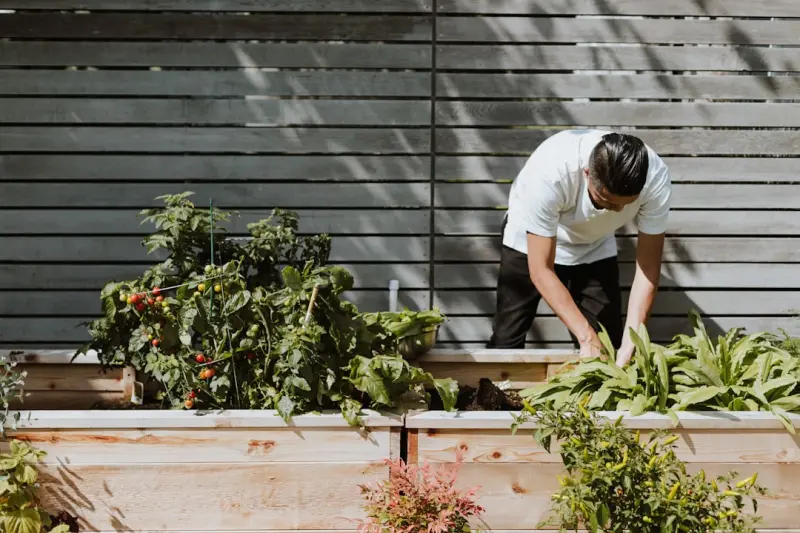
Cultivating Backyard Microclimates: A Hands‑On Guide to Year‑Round Harvest
Discover practical steps to map sunlight, manage water, improve soil, and select plants for distinct... Read More

How to Build a Low‑Maintenance Water Feature That Transforms Your Garden
Learn how to design, install, and maintain a low‑maintenance water feature that enhances your gard... Read More
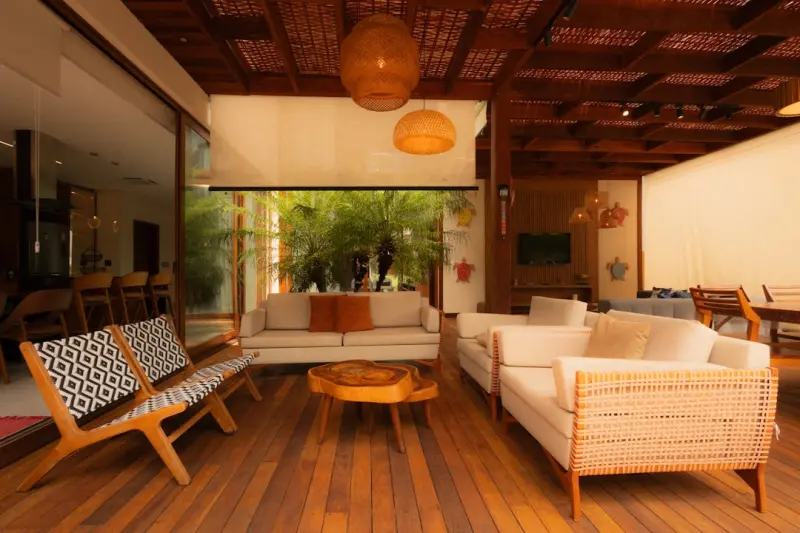
Creating a Year‑Round Outdoor Living Room: Seasonal Styling and Comfort
Turn your patio into a year‑round haven with durable flooring, weather‑proof furniture, layered ... Read More
Top Posts

The Sunroom Renaissance: Harnessing Light, Heat, and Flexibility for Modern Living
A modern sunroom does more than add square footage; it captures free solar energy, balances temperature year‑round, and offers a flexible space for work, well...Read More
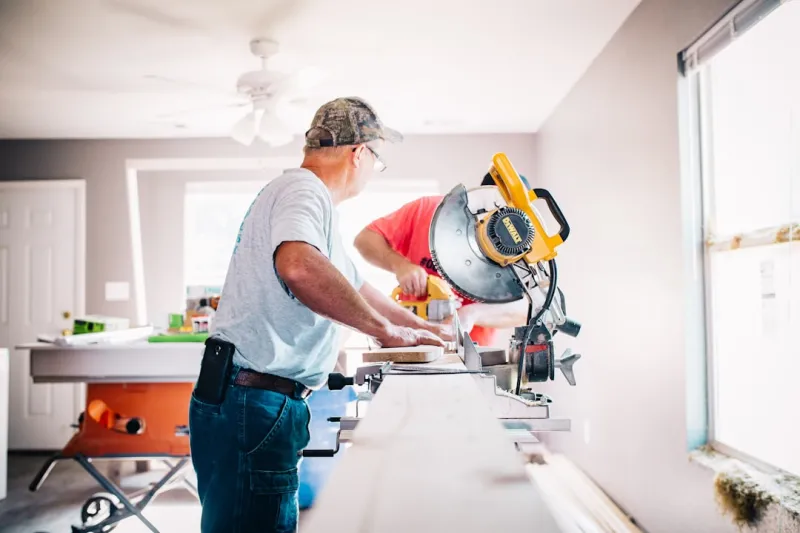
The Importance of General Contracting in Home Restoration
General contracting plays a vital role in home restoration, encompassing a wide range of services that help homeowners achieve their renovation goals. Learn mor...Read More

Beyond Temperature: Harnessing Predictive HVAC for Business Agility
Predictive HVAC shifts climate control from reactive to proactive, using sensors and AI to cut energy costs, improve comfort, and enhance building resilience....Read More

Predictive Plumbing: Turning Leaks into Data‑Driven Wins
This article reveals how integrating smart sensors and AI analytics turns traditional plumbing from a reactive nightmare into a proactive, sustainability‑focu...Read More
0 Comments
Post Comment
You will need to Login or Register to comment on this post!