
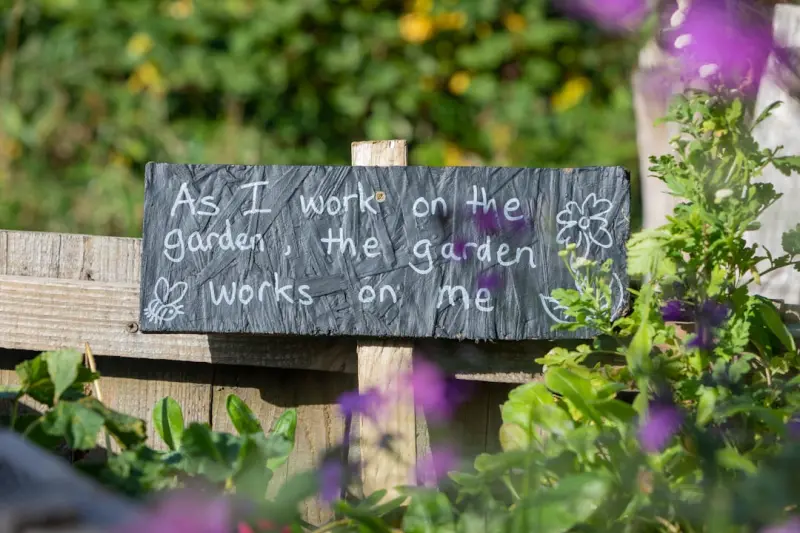
Finding Calm in the Soil: My Journey Toward a Sensory Garden
When I first stepped onto my modest backyard with a handful of potted herbs and a rust‑battered wooden bench, I felt an unexpected surge of curiosity that quickly blossomed into a full‑hearted commitment to create a garden that speaks to the senses as loudly as any living room conversation; the idea was to craft a space where the scent of lavender could mingle with the crunch of gravel underfoot, where the rustle of sage leaves would become a soothing soundtrack, and where the sight of sunrise‑kissed blooms would greet each morning with quiet optimism. Over the past months I have been charting this transformation with the same meticulous enthusiasm I reserve for a new novel, noting every texture, hue, and aroma, and discovering that the garden’s evolution mirrors my own, a reminder that growth is as much about patience as it is about purposeful design.
The Power of Multi‑Sensory Plant Selection
Choosing plants that engage sight, smell, touch, and even taste is the cornerstone of a garden that feels alive, and I’ve learned that pairing a velvety lamb’s ear with the citrusy zing of rosemary creates a tactile and olfactory duet that invites visitors to linger, while the gentle sway of ornamental grasses offers a visual rhythm that changes with the wind; by incorporating edible flowers such as nasturtiums, I’ve added a playful gustatory element that turns a simple stroll into a tasting adventure, encouraging children and adults alike to pluck a petal and discover its peppery surprise. To keep the garden thriving through every season, I rotate varieties that bloom at staggered intervals—early‑season snowdrops, mid‑summer coneflowers, and late‑fall asters—ensuring a continuous palette of colors and scents that never lets the landscape fall into dormancy, and I complement these choices with ever‑greens like boxwood to provide structure when the deciduous plants retreat.
Designing Paths That Invite Exploration
Walking through a garden should feel like turning the pages of a well‑written story, and the layout of pathways plays a pivotal role in guiding that narrative; I opted for a gentle, meandering route of reclaimed flagstones set atop a base of compacted sand, a decision inspired by the organic flow of forest trails that encourages curiosity without demanding a straight line, and I enhanced the tactile experience by sprinkling low‑lying moss between the stones, offering a soft cushion for bare feet. To marry aesthetics with sustainability, I consulted sustainable paving ideas that highlighted permeable materials capable of directing rainwater back into the soil, a feature that not only reduces runoff but also nurtures the surrounding plantings, turning the path itself into an active participant in the garden’s water cycle.
Integrating Edible Elements Without Compromising Beauty
One of the most rewarding aspects of my sensory garden is the seamless blend of ornamental and edible plants, a balance that proves you need not sacrifice visual appeal for practicality; dwarf fruit trees such as Meyer lemons provide fragrant blossoms and seasonal fruit while their compact canopies act as living sculptures, and low‑lying berry bushes like blueberries add splashes of deep blue that contrast beautifully against the verdant backdrop of hostas. By arranging these productive species in clusters that mimic natural plant communities, I’ve created micro‑habitats that attract pollinators, enhance biodiversity, and offer the thrill of harvesting fresh produce straight from the garden, turning a simple walk into an interactive culinary experience.
Harvesting Rain: Simple Water Management for a Thriving Oasis
Water conservation is an integral thread woven through every design decision, and I embraced a low‑tech rain‑catching system that channels runoff from the roof onto a series of terraced berms filled with coarse gravel, allowing water to percolate slowly into the root zones of my moisture‑loving ferns and hydrangeas; this approach mirrors natural watershed processes, reducing the need for irrigation while fostering a resilient ecosystem that can weather dry spells. To complement this, I installed a modest drip‑irrigation network powered by a reclaimed rain barrel, ensuring that each plant receives a measured amount of moisture directly at the soil surface, a method that minimizes evaporation and keeps the garden’s foliage vibrant throughout the hotter months.
DIY Touches That Add Personality and Function
Personalizing the garden with handcrafted elements has become a joyful ritual, and I discovered that repurposing everyday items can yield striking results without draining the budget; an old wooden ladder, sanded smooth and painted in muted earth tones, now serves as a tiered planter for trailing vines, while reclaimed copper pots, polished to a soft sheen, hold aromatic herbs whose scent is released with every breeze, turning functional containers into visual focal points that celebrate the beauty of imperfection. When I encountered a stubborn patch of uneven soil near the patio, I turned to DIY Home Repairs for inspiration, learning how to level the area using compacted sand and geotextile fabric, a simple fix that prevented future settling and provided a stable foundation for a future seating nook.
Creating Micro‑Climates for Year‑Round Comfort
Strategically placed structures can transform a garden’s micro‑climate, making it enjoyable even on cooler mornings or scorching afternoons; I erected a modest pergola draped with climbing roses, which not only offers a sheltered spot for morning coffee but also creates a dappled shade that diffuses harsh sunlight, protecting delicate groundcovers from burn while still allowing enough light for photosynthesis, and I positioned a heated stone bench—borrowed from a local artisan—to provide a cozy retreat during crisp evenings, turning the garden into a versatile living room under the sky. To further moderate temperature fluctuations, I planted a ring of tall, evergreen shrubs around the perimeter, acting as a natural windbreak that reduces drafts and maintains a stable ambient temperature, a design principle echoed in many sustainable landscape practices.
Maintaining Joyful Care: Routines That Feel Like Ritual
Maintenance should never feel like a chore; instead, I approach garden care as a series of mindful rituals that deepen my connection to the space, beginning each weekend with a slow, deliberate walk that allows me to assess plant health, prune any wayward growth, and listen to the subtle changes in bird song, a practice that turns routine tasks into moments of reflection and gratitude; I schedule a monthly deep‑clean of the stone pathways using a gentle brush and mild soap, a habit that not only preserves their appearance but also prevents moss buildup that could become slippery when wet. For indoor air quality, I occasionally vacuum the entryway rug with a high‑efficiency filter, a tip I gathered from smart carpet cleaning advice, ensuring that pollen and dust from the garden don’t linger inside, thereby maintaining a healthy transition between the outdoors and my living spaces.
Welcoming Wildlife: A Garden That Gives Back
Inviting pollinators and beneficial insects transforms a garden from a solitary sanctuary into a thriving ecosystem, and I have deliberately included native flowering plants such as coneflowers, bee balm, and goldenrod, which provide nectar sources throughout the growing season, supporting bees, butterflies, and hummingbirds; in addition, I installed a modest wooden birdhouse perched high on a sturdy branch, offering a safe haven for songbirds whose melodies become the garden’s soundtrack, while a shallow water feature doubles as a drinking station for both birds and insects, reinforcing the garden’s role as a nurturing habitat. By fostering this biodiversity, I’ve observed natural pest control in action—ladybugs feasting on aphids and lacewings hunting caterpillars—reducing the need for chemical interventions and reinforcing my commitment to a garden that coexists harmoniously with the surrounding wildlife.
Reflecting on the Transformative Power of a Sensory Garden
Looking back at the once‑bare patch of earth now blooming with layered textures, fragrant herbs, and vibrant colors, I am reminded that a garden is more than a collection of plants; it is a living laboratory of the senses, a canvas for creativity, and a sanctuary for the soul, offering daily moments of discovery that enrich both mind and body, and I invite anyone yearning for a deeper connection with nature to start small, experiment boldly, and let the garden’s quiet wisdom guide the evolution of their own personal oasis. As the seasons continue their graceful dance, I remain committed to nurturing this space with love, curiosity, and sustainable practices, confident that each seed planted today will blossom into a lasting source of joy, health, and inspiration for years to come.

When it comes to the world of blogging and writing, Rose DesRochers is a name that stands out. Her passion for creating quality content and connecting with her audience has made her a trusted voice in the industry. Aside from her skills as a writer and blogger, Rose is also known for her compassionate nature.
Related Posts

Transforming Your Home's Potential: A Comprehensive Guide to Outdoor Renovations
Transform your home's potential with outdoor renovations! Learn how to create a stunning outdoor spa... Read More
Creating a Year‑Round Outdoor Oasis: Sustainable Design Tips for Every Season
Learn to transform your garden into a sustainable, year‑round oasis with expert tips on materials,... Read More

Sustainable Home Restoration: A Comprehensive Guide to Eco-Friendly Renovations
Learn about sustainable home restoration and how to create an eco-friendly home with our comprehensi... Read More
Top Posts

Circular Economy Secrets: Turning Home Restoration Waste Into Value
Learn practical steps to transform discarded materials into valuable assets, integrate smart tech, and achieve cost-effective, sustainable home renovations thro...Read More

The Evolution of Garage Doors: How Sustainable Practices Are Changing the Game
The garage door industry is undergoing a significant transformation, driven by a growing demand for sustainable and eco-friendly solutions. Learn how energy-eff...Read More

Insulation Uncovered: A Homeowner’s Data‑Driven Path to Real Comfort
A homeowner’s step‑by‑step guide to auditing, selecting, and integrating insulation for real comfort and lower bills, using data and smart‑home tools....Read More

AI-Powered Facades: Rethinking Building Skins for Climate Resilience
An in‑depth look at AI‑powered façade systems, revealing how parametric design, real‑time data, and sustainable materials reshape building envelopes for ...Read More
0 Comments
Post Comment
You will need to Login or Register to comment on this post!