
Designing Gutters as Architectural Features
Most homeowners treat gutters as a utilitarian afterthought, tucking them behind trim and hoping they go unnoticed. Yet the right gutter profile can echo the geometry of a roof, frame a façade, or even become a subtle brand‑like signature that whispers quality to passing neighbors. By viewing the rain channel as a design element rather than a hidden pipe, you open a dialogue between function and visual storytelling that elevates curb appeal without sacrificing performance.
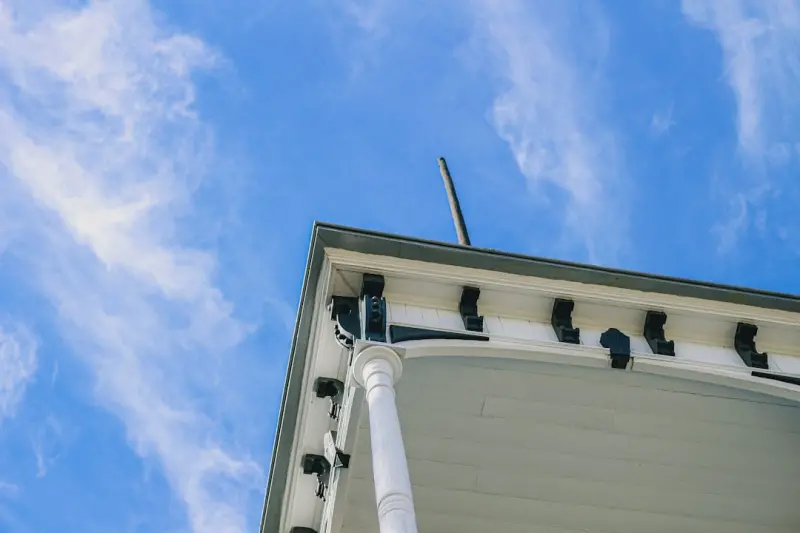
When the roofline is bold—think angular cantilevers or sweeping curves—the gutter should mirror that drama, using tapered sections or custom‑fabricated bends that follow the same rhythm. Pairing a low‑profile aluminum gutter with a contrasting dark‑finished fascia creates a sleek, modern silhouette, while a classic copper system patinas over time, adding a distinguished patina that ages gracefully with the home. The secret is to map the gutter’s line to the building’s architectural language, ensuring that each downspout becomes a purposeful accent rather than an intrusive protrusion.
Integrating gutters into the overall envelope also invites creative opportunities for color coordination; a muted charcoal or deep forest hue can complement stone or brick, while a crisp white can reinforce a coastal aesthetic. This thoughtful approach not only enhances visual harmony but also reduces the chance of visual clutter, allowing the home’s primary features to shine. In the end, gutters become a silent partner in the house’s style narrative, proving that practicality and beauty can coexist.
Materials & Finishes for Modern Homes
The market now offers a palette of gutter materials that go far beyond the traditional galvanized steel. Seamless aluminum remains a favorite for its lightweight durability, but emerging options like powder‑coated zinc and reclaimed wood‑styled composites deliver both resilience and a distinct aesthetic. Selecting a material should start with climate considerations—aluminum excels in salty coastal air, while zinc thrives in regions with frequent temperature swings, forming a protective patina that actually improves over time.
For those seeking a high‑impact visual statement, copper gutters provide an unrivaled combination of luxury and longevity; as they oxidize, they develop a rich verdigris that can be deliberately accelerated with treatments for a bespoke finish. If sustainability is a priority, choose recycled aluminum or fiber‑reinforced polymer (FRP) gutters, which boast a lower embodied carbon footprint while resisting corrosion and UV degradation. Pairing these materials with a complementary finish—such as a matte black powder coat or a brushed satin—creates a tactile surface that invites touch and adds depth to the façade.
Beyond the primary material, hardware selections like hidden brackets, decorative end caps, and custom splash guards can subtly reinforce the design language. A well‑chosen end cap in a contrasting finish can act as a visual punctuation mark, while concealed brackets maintain a clean silhouette by keeping mounting hardware out of sight. When these details are curated with intention, the gutter system transforms from a hidden conduit to a curated component of the home’s architectural identity.
Performance Meets Aesthetics: Maintenance with Style
Even the most beautiful gutter system will falter without a maintenance plan that respects both form and function. Regular cleaning is essential, but the method you choose can preserve the gutter’s finish—soft‑bristle brushes and low‑pressure water rinses prevent scratches on powder‑coated surfaces, while a gentle hand‑tool approach safeguards delicate copper patinas. Scheduling these tasks seasonally, ideally in early spring and late autumn, ensures debris never builds up enough to cause overflow or unsightly stains.
For homeowners who appreciate tech‑savvy solutions, integrating a Smart Gutter sensor can alert you to blockages before they become a visual eyesore, allowing you to intervene while preserving the gutter’s sleek line. However, technology is only one piece; the physical act of inspecting seams, brackets, and downspout connections remains vital. Look for signs of rust, loose fasteners, or misaligned sections, and address them promptly to avoid unsightly sagging that can detract from the overall aesthetic.
When repairs are necessary, consider the visual impact of the fix. Instead of a generic patch, source a matching material and finish to blend seamlessly with the existing gutter, or use a complementary accent that turns a repair into a design feature—think a contrasting copper elbow on an aluminum run. By treating maintenance as an extension of the original design intent, you keep the system performing at peak efficiency while preserving the curated look you invested in. This disciplined approach ensures that gutters remain both functional conduits and elegant architectural accents year after year.
Gutter Integration with Landscape and Hardscape
Often overlooked, the relationship between gutters and the surrounding landscape can dramatically influence a home’s visual flow. Positioning downspouts to feed rain gardens, permeable pavers, or decorative stone basins not only manages runoff responsibly but also creates a cohesive water choreography that ties the building to its terrain. By aligning the gutter’s exit point with a thoughtfully designed planting scheme, you turn a necessary discharge into a purposeful feature that enhances the property’s ecological footprint.
Strategic placement of downspouts near architectural focal points—such as a stone entryway or a sculptural planter—allows water to cascade gracefully, creating a dynamic visual effect that complements the home’s style. In modern designs, concealed drainage channels can route water beneath a sleek deck or patio, preserving clean lines while delivering water to a discreet collection basin. This synergy between built and natural elements ensures that the gutter system supports the broader narrative of sustainable, aesthetically driven living.
When planning these integrations, remember to respect local code requirements for runoff and avoid creating pooling that could damage foundations. A well‑designed landscape partnership not only showcases the gutter as a design asset but also reinforces responsible water management, proving that beauty and stewardship can walk hand‑in‑hand.
Color Theory and Gutter Styling
Color selection for gutters is a subtle yet powerful tool in the designer’s arsenal, capable of reinforcing architectural intent or introducing a pop of surprise. A monochromatic scheme—matching the gutter to the roof or fascia—creates a seamless, elongated visual line that can make a façade appear taller or wider, depending on orientation. Conversely, a bold, contrasting hue can draw the eye, emphasizing the gutter’s shape and adding a splash of personality without overwhelming the overall composition.
When choosing a color, consider the home’s dominant palette and the surrounding environment. Warm earth tones pair well with natural stone and brick, while cool blues and greys harmonize with contemporary glass and steel structures. For a nuanced touch, a matte finish can soften the gutter’s presence, whereas a high‑gloss coat adds a reflective quality that catches sunlight, creating a dynamic interplay of light and shadow throughout the day.
Applying this color strategy consistently across all gutter components—including downspouts, splash blocks, and brackets—creates a unified aesthetic that feels intentional rather than afterthought. By treating gutter color as an integral part of the home’s visual story, you ensure that every rain‑driven moment contributes to the overall design narrative.
Custom Fabrication and Bespoke Solutions
Standard gutter profiles work well for many homes, but a truly unique property may benefit from custom‑fabricated solutions that echo its distinctive character. Collaborating with a metal fabricator allows you to specify unique dimensions, ornamental details, or even integrate decorative motifs that reflect the homeowner’s personality. These bespoke gutters can incorporate features like patterned embossing, integrated lighting strips, or artistic cut‑outs that transform a functional element into a work of art.
While custom work carries a higher price tag, the long‑term value lies in the differentiation it provides—a home that boasts an exclusive gutter design becomes a landmark within its neighborhood, often translating into increased resale value. Moreover, custom fabrication enables the integration of hidden fasteners and seamless joints that maintain a clean visual profile, eliminating the clutter of visible clamps or brackets.
Choosing custom gutters also opens the door to hybrid material blends, such as a copper exterior with an aluminum core for lightweight strength, or incorporating sustainable reclaimed wood accents for a rustic yet refined look. The key is to align the custom design with the home’s overall architectural language, ensuring that the gutter remains a harmonious extension rather than an incongruous add‑on.
Seasonal Styling: Gutter Accessories as Design Accents
Just as homeowners rotate décor seasonally, gutters can be subtly styled to reflect the changing year without compromising performance. Removable decorative guards, seasonal downspout covers, or artistically designed splash blocks can add a temporary flair that celebrates holidays or seasonal themes. These accessories, when crafted from weather‑resistant materials, provide a playful touch while directing water efficiently.
For those seeking a low‑maintenance yet stylish option, consider installing handyman‑approved gutter shields that double as visual accents. A sleek stainless‑steel guard can reflect the winter sun, creating a shimmering effect that brightens a frosty façade, while a rust‑proof copper splash block can develop a warm patina that complements autumn foliage. The key is to select accessories that can be easily removed or swapped, ensuring that the underlying gutter system remains unobstructed.
Seasonal styling also offers an opportunity to showcase craftsmanship—hand‑crafted wooden downspout caps or bespoke metal finials can become conversation pieces that highlight the homeowner’s attention to detail. By treating gutters as a canvas for seasonal expression, you add an extra layer of personality to the home’s exterior, turning a functional necessity into an ever‑evolving design element.
Future‑Proofing Gutter Systems for Longevity
Anticipating future climate patterns is essential when selecting and installing gutters that will stand the test of time. Increasing rainfall intensity demands larger capacity gutters, so opting for a 5‑inch or 6‑inch profile instead of a standard 4‑inch can accommodate higher volumes without overflow. Additionally, integrating overflow outlets that direct excess water to secondary drainage zones protects the foundation while preserving the gutter’s clean lines.
Materials that resist corrosion, UV degradation, and temperature fluctuations contribute to a system that ages gracefully. Selecting a high‑grade powder‑coat finish or a naturally resilient metal like zinc ensures that the gutter maintains its appearance for decades, reducing the need for frequent repainting or replacement. Pairing these durable materials with a well‑designed support structure—using hidden brackets that distribute load evenly—prevents sagging and deformation over time.
Finally, consider modular expansion options that allow the gutter system to evolve with the property. Designing attachment points for future rainwater harvesting modules, additional downspouts, or aesthetic upgrades means the initial investment can adapt to emerging sustainability goals or design trends. By building with foresight, you create a gutter system that not only performs reliably today but also remains a stylish, functional asset for generations to come.

David MacKinnon is a dynamic freelance writer known for his captivating storytelling and keen insights into the world of technology. With a passion for exploring the intersection of innovation and everyday life, he crafts engaging narratives that not only inform but also inspire his readers.
Related Posts

How to Keep Your Gutters Happy All Year Long
Learn easy, seasonal gutter upkeep strategies, material choices, and aesthetic tips to protect your ... Read More

Harvesting Rain: Turning Gutters into Sustainable Assets for Modern Buildings
A forward‑looking guide on redesigning gutters for rainwater capture, integrating storage, usage, ... Read More
Turning Gutters into Data Hubs for Resilient Buildings
Gutters can do more than divert water; with sensors and smart integration they become data hubs that... Read More
Top Posts

Awning Innovation: Turning Shade into Strategy for Modern Businesses
A modern awning does more than block the sun; it becomes a branding tool, energy saver, and data source. Discover the latest smart and sustainable awning techno...Read More
The Hidden Power of Insulation: Comfort, Health, and Future‑Proofing Your Home
Explore insulation beyond temperature control—learn about acoustic benefits, eco‑friendly options, smart tech, and DIY strategies to future‑proof your hom...Read More

The Importance of Sustainable Lawn Care Practices
Sustainable lawn care practices are essential for promoting a healthy and resilient lawn while protecting the environment. Learn how to adopt sustainable lawn c...Read More

The Importance of Energy Inspections in Home Renovations
Energy inspections play a critical role in home renovations, helping homeowners identify energy-wasting areas and create a more sustainable living space. Learn ...Read More
0 Comments
Post Comment
You will need to Login or Register to comment on this post!