

Introduction: The Handyman’s Edge
When I first picked up a hammer, I never imagined the countless surprises a house can throw at you, from a squeaky door hinge to a hidden pipe burst that threatens an entire wall. Over the years I’ve learned that the most successful repairs start long before a wrench hits a bolt, rooted in a mindset of prevention over reaction. This guide is my attempt to hand over the habits, tools, and mental check‑lists that have turned chaotic emergency calls into routine, confidence‑filled fixes.
Why a Handyman Mindset Matters
A solid handyman approach is built on three pillars: safety, efficiency, and foresight, each demanding its own discipline and set of habits that most homeowners overlook. Safety isn’t just about wearing gloves; it’s about recognizing when a load‑bearing wall is being compromised and knowing the exact steps to brace it before it collapses. Efficiency follows when you can diagnose a problem in minutes, source the right part, and complete the job without endless trial‑and‑error, ultimately saving both time and money.
The Essential Toolkit Every DIY Pro Needs
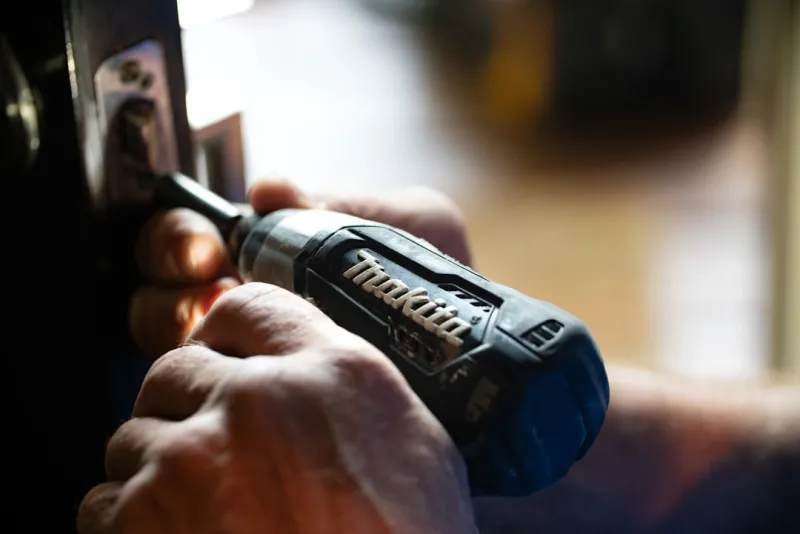
Every seasoned hand‑crafter swears by a core collection of tools that fit in a sturdy, portable tote, allowing you to tackle anything from a loose cabinet hinge to a misaligned door frame without hunting across the garage. A quality cordless drill with multiple torque settings, a set of interchangeable bit heads, and a reliable digital multimeter form the technological backbone, while a calibrated torque wrench, a set of fine‑tooth pliers, and a compact pipe cutter cover the mechanical spectrum. Adding a flexible LED work light, a heavy‑duty ladder, and a durable utility knife rounds out the kit, ensuring you’re never caught off‑guard when daylight fades or a tight space demands precision.
Seasonal Maintenance: Your Year‑Round Checklist
One of the biggest secrets I’ve kept from frantic weekend repairs is the power of a seasonal maintenance calendar, a simple spreadsheet that flags tasks months in advance and spreads the workload evenly across the year. In spring, focus on clearing gutters, inspecting exterior caulking, and testing the operation of exterior faucets to avoid water damage when the snow melts; summer calls for checking deck fasteners, lubricating sliding doors, and tightening any loose railing connections; autumn is the perfect time to service HVAC filters, seal any drafts around windows, and verify that the furnace’s venting is clear; winter demands checking for ice dam formation on roofs, confirming that heat tape on vulnerable pipes is functional, and ensuring that indoor humidity stays within a healthy range. By assigning each task a specific week, you eliminate the “I forgot” factor and keep your home humming smoothly.
Quick Diagnostic Tricks to Spot Hidden Issues
Before you call a professional, try these three fast diagnostics that often reveal the root cause of common complaints, saving you both dollars and the embarrassment of unnecessary service calls. First, listen for subtle vibrations or humming noises in walls by placing a stethoscope (or a simple rubber ball) against the surface while a friend turns appliances on and off; this can uncover loose wiring or plumbing resonances. Second, use a moisture meter on baseboards, ceilings, and around windows to detect early signs of water intrusion that may not yet be visible to the naked eye. Finally, perform a simple “door frame test” by placing a thin piece of cardboard between the door and the frame; if it scrapes unevenly, you’ve likely identified warped hinges or a settling frame that needs shimming before the season changes.
Knowing When to Hand Over the Hammer
Even the most capable handyman must recognize the boundary where DIY meets professional expertise, especially when structural integrity or complex systems are involved. If a crack spans more than a quarter of an inch across a load‑bearing wall, the safest route is to consult a structural engineer rather than attempting a temporary patch; the long‑term risk far outweighs any short‑term savings. Similarly, when you encounter electrical panels that are warm to the touch, tripping breakers despite no obvious overload, it’s time to call a licensed electrician, as hidden faults can quickly become fire hazards.
DIY Energy Tweaks That Pay Off Fast
Simple adjustments around the house can dramatically improve energy efficiency without the need for massive renovations, and they fit neatly into a handyman’s weekly to‑do list. Installing weather‑stripping around doors and windows seals drafts that otherwise force your heating system to work overtime, while adding reflective insulation behind radiators redirects heat back into rooms rather than letting it escape through walls. Replacing outdated incandescent bulbs with smart LEDs not only reduces electricity draw but also provides programmable lighting schedules that sync with occupancy sensors, creating a seamless blend of comfort and cost savings.
Documenting Your Work: The Unsung Hero of Home Care
Keeping a detailed log of every repair, upgrade, and inspection transforms a chaotic collection of receipts into a powerful asset that future buyers—and yourself—can reference for troubleshooting and resale value. Record the date, exact location, parts used, and a brief description of the problem and solution, storing everything in a cloud‑based folder accessible from any device; this habit eliminates the mystery of “when did we last fix that pipe?” and helps you spot patterns, such as recurring issues with a particular fixture. Over time, you’ll build a timeline that not only proves diligent maintenance but also highlights opportunities for larger, strategic upgrades.
Leveraging Expert Resources for Complex Challenges
While the handyman’s toolbox is versatile, there are moments when tapping into specialized knowledge can save you from costly missteps, especially in areas like foundation health and water intrusion. For a thorough understanding of foundation health checks, I often reference detailed guides that walk you through soil moisture assessments, crack monitoring techniques, and the use of concrete scanners—tools that most DIYers don’t own but can rent for a weekend. Likewise, mastering waterproofing basics empowers you to apply sealants correctly, install proper drainage slopes, and prevent mold growth before it spreads, turning a potential nightmare into a manageable project.
Final Thoughts: Turn Routine Into Mastery
By integrating a well‑curated toolkit, a disciplined seasonal checklist, and a habit of quick diagnostics, you transform everyday home upkeep from a reactive scramble into a proactive, confidence‑boosting routine that protects both your property and your wallet. Remember, the true power of a handyman lies not just in fixing what’s broken, but in anticipating what could go wrong and addressing it with the right tools and knowledge before it escalates. Adopt these practices, stay curious, and watch your home thrive under the steady guidance of a prepared, resourceful hand.

William Roy is a freelance writer originally from Montreal who moved to Ottawa with his wife of 50 years to be closer to their grandkids. Alongside his writing, William has a passion for fishing.
Related Posts

The Handyman’s New Playbook: Turning One‑Off Jobs into Ongoing Relationships
The post explores how handymen can evolve from reactive repair technicians to proactive home‑care ... Read More

The Handyman’s Blueprint: Turning Routine Fixes Into Recurring Revenue
A practical guide for handymen to transition from reactive repairs to a proactive, subscription‑ba... Read More
Handyman Hacks: Sustainable Fixes That Save Money and the Planet
Learn how a modern handyman can blend classic repairs with sustainable upgrades—saving money, ener... Read More
Top Posts

Flooring Trends That Blend Style, Sustainability, and Smart Living
Discover how sustainable materials, smart heating integration, and DIY strategies are reshaping flooring choices for modern homes....Read More

Voice‑Activated Home Alarms: A Hands‑Free Revolution for Every Household
Explore the rise of voice‑controlled home alarm hubs, their seamless smart‑home integration, privacy safeguards, and DIY options for renters—all designed ...Read More

Securing Your Home: Why a Modern Alarm System is a Must-Have
A modern home alarm system is a must-have for any homeowner. Learn why and how to choose the right system for your home, from expert William Roy....Read More

Eco‑Smart Bathtub Refinishing: A Sustainable Makeover for Modern Homes
A sustainable bathtub refinishing guide that reduces energy use, improves safety, and adds resale value—perfect for eco‑conscious homeowners seeking a green...Read More
0 Comments
Post Comment
You will need to Login or Register to comment on this post!