
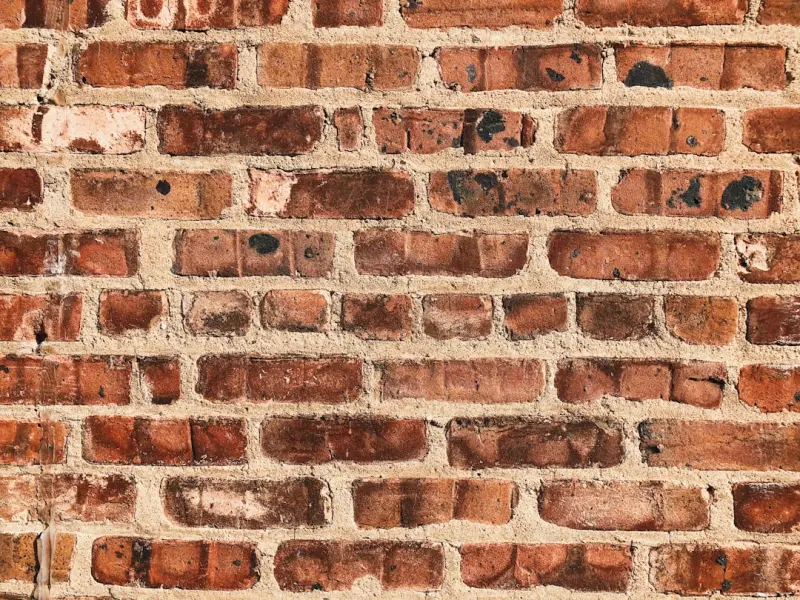
Finding the Right Brick
When I first walked into a demolition yard, the scent of aged mortar and sun‑baked clay sparked a curiosity that still drives my work today. I learned that not every weathered brick is created equal; color variance, firing technique, and historical provenance all influence how a reclaimed piece will behave in a contemporary setting. By cataloguing each batch for hue, texture, and structural integrity, I can match the brick’s personality to the room’s narrative, ensuring that a single salvaged block can become the focal point of a modern fireplace or a subtle accent wall without looking like a costume prop.
Design Strategies for Modern Interiors
One of the most rewarding challenges is weaving reclaimed brick into open‑plan spaces where the eye constantly roams. I start by establishing a visual anchor—often a feature wall that embraces the irregularity of the bricks, then soften the surrounding surfaces with neutral tones to let the masonry breathe. Layering lighting, both ambient and accent, highlights the natural imperfections, turning each crack into a story of endurance. For kitchens, I pair a brick backsplash with sleek quartz countertops; the contrast between rough and refined creates a tactile dialogue that feels both timeless and cutting‑edge.
Balancing Old and New Materials
Integrating reclaimed brick does not mean abandoning modern performance standards. I often combine the historic material with contemporary insulation behind the wall, preserving the brick’s aesthetic while meeting today’s energy codes. Where structural load is a concern, I use a steel reinforcement system hidden behind the façade, allowing the old brick to act as a decorative veneer rather than a load‑bearing element. This hybrid approach respects the past while delivering the durability homeowners expect from new construction.
Color Storytelling Through Patina
The weathered palette of reclaimed brick—deep reds, muted oranges, and soft greys—offers a built‑in color story that modern paint can rarely replicate. I let the natural patina dictate the room’s chromatic scheme, echoing it in textiles, artwork, and even flooring. When a space calls for a pop of contrast, I introduce a single bold accent, such as a cobalt sofa, that frames the brick’s earthy tones without overwhelming them. The result is a balanced composition where the bricks become both background and protagonist.
Functional Benefits Beyond Aesthetics
Reclaimed brick isn’t just about looks; its high thermal mass can regulate indoor temperature, storing heat during the day and releasing it at night. By exposing brick on interior walls in sun‑lit areas, I create passive heating pockets that reduce reliance on mechanical systems. Coupled with low‑VOC sealers, these walls remain breathable, preventing moisture buildup while still offering the rugged durability that new masonry products promise.
Preserving the Past: A Sustainable Narrative
Every reclaimed brick carries a story of a bygone era, and reusing it is a form of architectural archaeology that aligns with today’s sustainability goals. By diverting demolition waste from landfills, we reduce the carbon footprint associated with manufacturing new bricks. I often reference sustainable masonry practices to illustrate how the industry is shifting toward circular economies, where old materials find new purpose rather than becoming waste.
Creative Installation Techniques
Traditional running bond isn’t the only layout that works with reclaimed brick; I experiment with stacked, herringbone, and even random “puzzle” patterns to emphasize the irregular shapes. When I want to showcase a particularly striking piece, I isolate it in a niche or frame it with a thin metal trim, turning the brick into a sculptural element. These techniques not only celebrate the uniqueness of each block but also provide visual intrigue that keeps occupants engaged over time.
Maintenance Made Simple
Despite its vintage charm, reclaimed brick is surprisingly low‑maintenance when properly sealed. I recommend a breathable, water‑based sealant that protects against stains while allowing the wall to “breathe,” preventing mold growth in humid climates. Routine cleaning involves a soft brush and mild detergent; harsh chemicals can erode the protective coating and compromise the brick’s natural look. With these simple steps, homeowners can enjoy the timeless beauty of reclaimed masonry without the upkeep of more delicate finishes.
Future‑Proofing Your Brick Investment
As design trends evolve, reclaimed brick remains a versatile backdrop that adapts to shifting aesthetics. Its inherent durability ensures that a wall built today will still be relevant decades from now, serving as a testament to both craftsmanship and thoughtful sourcing. By documenting the brick’s origin and installation details, I provide future owners with a narrative that adds provenance—and potentially value—to the property, turning a simple renovation into a legacy project.

David MacKinnon is a dynamic freelance writer known for his captivating storytelling and keen insights into the world of technology. With a passion for exploring the intersection of innovation and everyday life, he crafts engaging narratives that not only inform but also inspire his readers.
Related Posts
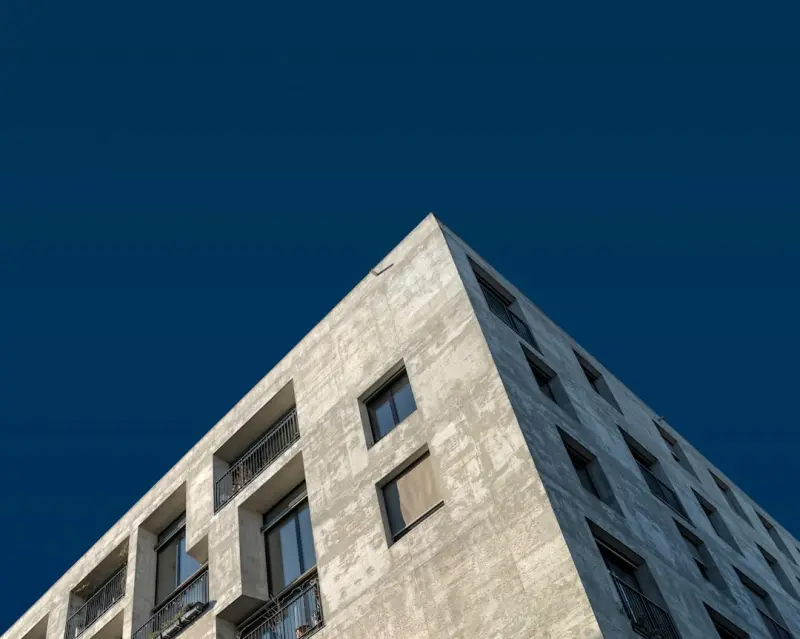
When Masonry Becomes an Intelligent Asset for Modern Workspaces
Masonry isn’t just a decorative element; when equipped with low‑power sensors, walls can deliver... Read More

The Future of Masonry: How Sustainable Solutions Are Revolutionizing the Industry
The masonry industry is undergoing a significant transformation as it shifts towards sustainable sol... Read More
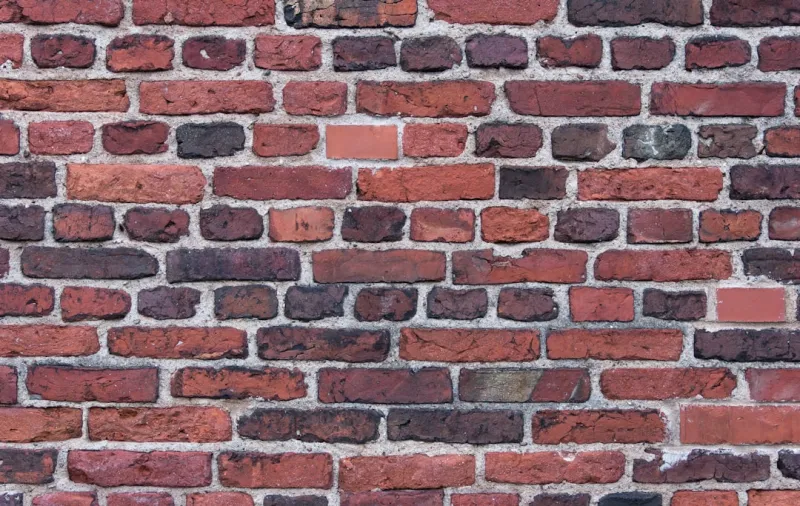
Building with Brick and Vision: Sustainable Masonry Trends
Discover how modern masonry blends reclaimed materials, design‑build integration, and smart mainte... Read More
Top Posts

The Hidden Playbook for Long‑Term Mold Prevention
A step‑by‑step guide reveals how moisture control, ventilation, smart material choices, and ongoing monitoring combine to stop mold before it spreads....Read More
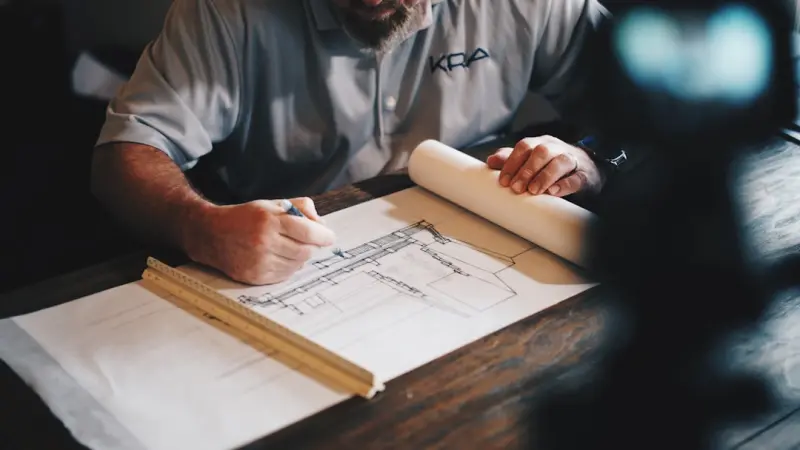
Beyond Blueprints: How General Contractors Are Turning Collaboration Into Competitive Edge
General contractors can boost performance by adopting Integrated Project Delivery, leveraging digital twin technology for real‑time site insight, and using wo...Read More
The Future of Plastering: Embracing Sustainable Practices
The plastering industry is evolving, and sustainable practices are leading the way. Learn about the benefits of eco-friendly materials, innovative techniques, a...Read More

Modular Electrical Distribution: Building Agile Power for Modern Workplaces
A deep dive into modular electrical distribution, exploring its components, benefits, real‑world applications, and future trends that empower agile, data‑dr...Read More
0 Comments
Post Comment
You will need to Login or Register to comment on this post!