
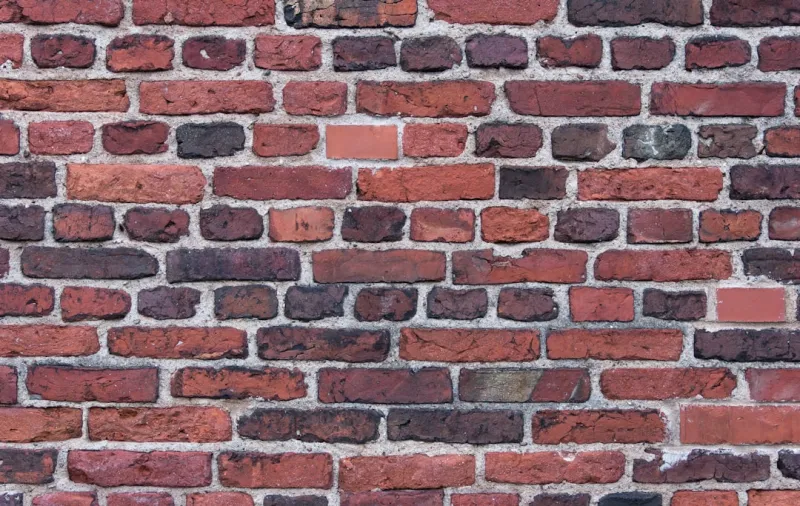
Why Masonry Matters in Sustainable Homebuilding
When I first lifted a trowel in my grandfather’s stone yard, the rhythmic clink of brick and mortar became a language of permanence that whispered promises of shelter, resilience, and a tangible connection to the earth itself, a feeling that still drives every project I design today. Decades of fieldwork have taught me that modern homeowners crave more than just aesthetic appeal; they demand structures that breathe, regulate temperature, and reduce carbon footprints, and that is where the art of sustainable masonry steps in, merging age‑old craftsmanship with cutting‑edge ecological principles to create homes that stand the test of time and climate. In this post I’ll share the trends reshaping our trade, the materials that honor both form and function, and the strategic partnerships that turn a simple wall into a living, energy‑saving system, all while keeping the hands‑on, gritty authenticity that first sparked my love for brick and stone.
Choosing the Right Materials for Longevity and Green Impact
The cornerstone of any green masonry project begins with the choice of raw materials, and today manufacturers are offering reclaimed clay bricks, low‑embodied‑energy concrete blocks, and hemp‑lime infill that not only cut down on virgin resource extraction but also lock away carbon through their very composition, turning each wall into a passive carbon sink. When evaluating these options I weigh factors such as thermal mass, permeability, and lifecycle emissions, because a high‑thermal‑mass brick can absorb daytime heat and release it at night, dramatically flattening indoor temperature swings and reducing reliance on HVAC systems, a principle that aligns perfectly with the energy‑efficiency goals of most modern clients. Equally important is sourcing locally, because transporting heavy masonry units across state lines can negate many of the environmental gains; partnering with regional quarries and recycling yards not only trims the carbon trail but also supports the local economy, a win‑win scenario that I champion on every job site.
Integrating Design‑Build for Seamless Masonry Projects
One of the most powerful shifts I’ve embraced is the design‑build model, where architects, engineers, and masons collaborate from concept to completion, eliminating miscommunication and waste, a philosophy explored in depth in my Design‑Build Secrets guide. By embedding the mason’s expertise early, we can specify wall thickness, cavity placement, and reinforcement details that optimize structural integrity while preserving the breathable qualities of natural stone, which in turn reduces the need for later retrofits and preserves indoor air quality. This unified vision also enables us to schedule deliveries of bulk material just‑in‑time, minimizing on‑site storage, cutting down on moisture exposure that could compromise brick integrity, and ultimately delivering a project that feels cohesive, efficient, and environmentally responsible.
Insulation, Foundations, and the Hidden Layers of Efficiency
Masonry walls achieve their full sustainable potential when paired with intelligent insulation strategies, and the lessons from my Insulation Guide demonstrate how aerogel blankets, sheep’s wool batts, and even vacuum‑filled panels can be tucked behind a brick veneer without sacrificing the wall’s vapor‑permeable nature. Because brick and block are naturally porous, a correctly installed vapor‑permeable membrane allows walls to dry outward, preventing moisture buildup that leads to mold, while the added thermal resistance slashes heating bills, a synergy that exemplifies the phrase ‘the whole is greater than the sum of its parts’ in green construction. I also advise clients to consider exterior insulation and finish systems (EIFS) that wrap the masonry in a continuous thermal envelope, a technique that not only boosts R‑values but also shields the masonry from freeze‑thaw cycles, extending the lifespan of the façade by decades.
Foundations, Repairs, and Long‑Term Resilience
When foundations begin to shift, the integrity of every masonry element above is jeopardized, a scenario I dissect in When Foundations Crumble, where I outline how low‑impact underpinning methods and geopolymer grout can stabilize soil while keeping the carbon budget low. Rather than defaulting to massive concrete footings, I often recommend helical piers or screw anchors fabricated from recycled steel, which can be installed with minimal excavation, preserving existing landscaping and reducing site disturbance, a crucial consideration for homeowners who value both aesthetics and ecology. Integrating these foundation solutions with the masonry design allows us to align expansion joints, control cracking, and embed weep holes that manage water ingress, ensuring that the structure breathes and adapts gracefully over its service life.
Finishing Touches that Blend Beauty and Breathability
The aesthetic language of masonry extends beyond raw brick; incorporating reclaimed stone lintels, hand‑carved terra‑cotta accents, and natural lime plasters adds texture and character while maintaining the breathable envelope essential for healthy indoor environments. I frequently select lime‑based mortars over cementitious mixes because lime’s carbonation process actually re‑absorbs CO₂ over time, turning each joint into a tiny carbon sink, and its flexibility accommodates subtle movements in the building envelope, reducing the risk of hairline cracks that can let moisture sneak in. Pairing these finishes with thoughtfully placed shadow lines and recessed lighting not only highlights the tactile quality of the work but also reduces reliance on artificial illumination during daylight hours, a subtle design trick that contributes to overall energy savings.
Environmental Impact and Emerging Technologies
Beyond the immediate energy performance, sustainable masonry contributes to a circular economy by encouraging demolition waste reuse, where broken bricks are crushed into aggregate for new blocks, dramatically cutting the embodied energy of new construction. Emerging technologies such as 3‑D printed clay panels and bio‑based binders are beginning to infiltrate the trade, offering designers unprecedented freedom to create intricate patterns without excess material, and I’m already experimenting with these tools to push the boundaries of what a traditional craft can achieve. When we view each wall as a living system that stores heat, filters air, and sequesters carbon, the cumulative impact of thousands of homes built with these principles can rival large‑scale renewable projects, proving that even the most grounded trades can drive climate action.
Maintenance Practices for Enduring Sustainability
Proper maintenance remains the linchpin of a sustainable masonry portfolio, and routine actions like gentle pressure washing, repointing with compatible lime mortar, and inspecting flashing for water intrusion can extend a wall’s service life well beyond a century, delivering true long‑term value. I advise homeowners to schedule a bi‑annual visual inspection after the heavy rain season, focusing on areas where flashing meets brick, as these junctions are common entry points for moisture that can erode mortar and eventually compromise structural stability. By documenting any repairs in a digital log and using non‑toxic sealants when needed, owners not only protect their investment but also maintain the low‑VOC indoor environment that green building advocates champion.
Future Trends and the Homeowner’s Role
Looking ahead, I see a convergence of smart sensors embedded in masonry that monitor moisture levels, temperature gradients, and even structural strain, feeding data to homeowners’ smartphones so they can intervene before minor issues become costly repairs. This proactive approach aligns with the growing DIY ethic among eco‑conscious consumers, who are eager to learn basic tuckpointing techniques and sustainable material sourcing, turning the once‑esoteric world of masonry into an accessible craft for the modern homeowner. By embracing these tools, staying curious, and demanding transparent supply chains, anyone can become a steward of the built environment, ensuring that the brick and block we lay today become the heritage of tomorrow.
Take the Next Step Toward a Greener Build
If you’re ready to transform your next renovation or new build into a showcase of sustainable masonry, reach out for a consultation where we’ll map out material choices, design‑build workflows, and maintenance plans that align with your green goals. Together we can craft walls that not only shelter your family but also honor the planet, proving that durability, beauty, and responsibility are not mutually exclusive but mutually reinforcing. Stay tuned for more hands‑on tips, case studies, and behind‑the‑scenes stories that I’ll share in upcoming posts, because the journey to a greener home is built one brick at a time.

Kelly Reynolds is a dynamic freelance writer hailing from the picturesque landscapes of Alberta. A master of the written word, she juggles her passion for storytelling with the exhilarating chaos of being a mother to five spirited children. With an impressive portfolio that spans various genres, Kelly captivates readers through her engaging blog posts and thought-provoking articles.
Related Posts

Breathing Life into Walls: The Rise of Vapor‑Permeable Masonry
Vapor‑permeable masonry lets walls “breathe,” reducing moisture problems, enhancing energy per... Read More
The Sustainable Future of Masonry: Trends and Innovations
The masonry industry is evolving, with a growing focus on sustainability. Learn about the latest tre... Read More
The Evolution of Masonry: Trends, Innovations, and Best Practices
The masonry industry has undergone significant changes in recent years, driven by advances in materi... Read More
Top Posts
Designing for the Unknown: How Adaptive Architecture Future‑Proofs Commercial Spaces
Adaptive architecture embeds modular spaces, responsive façades, and sensor‑driven insights into commercial design, turning buildings into flexible, sustaina...Read More
The Art of Woodworking: A Comprehensive Guide to Creating Beautiful Pieces
Woodworking is a timeless craft that involves creating beautiful and functional pieces of furniture, decorations, and other items from wood. Learn the basics, t...Read More

Predictive Maintenance: Turning Data Into Property Longevity
A deep dive into how property managers can shift from reactive repairs to a predictive maintenance strategy, leveraging sensors, AI analytics, and integrated wo...Read More
The Quiet Revolution: How Bathtub Refinishing Elevates Design, Health, and Value
Bathtub refinishing is more than a quick cosmetic fix; it’s a strategic upgrade that enhances aesthetics, improves health, integrates smart tech, and offers a...Read More
0 Comments
Post Comment
You will need to Login or Register to comment on this post!