

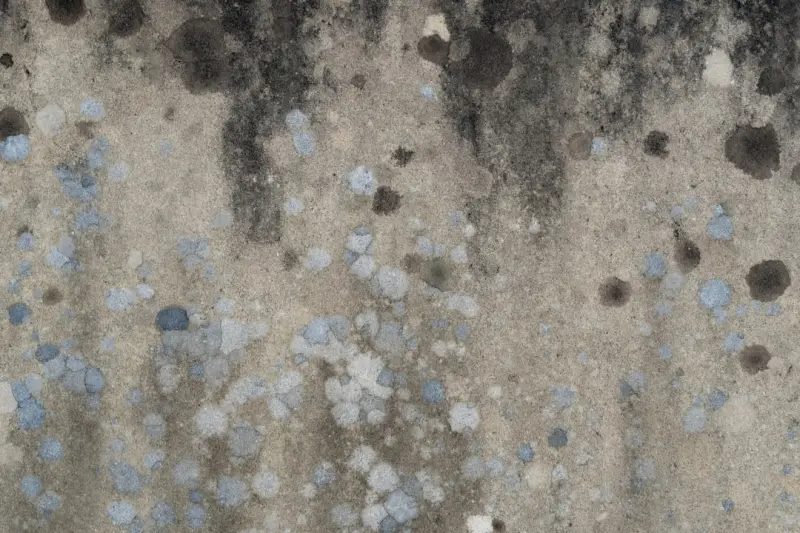
Mold isn’t just an unsightly blemish on a wall; it’s a silent, biochemical invader that can undermine the structural integrity of your home and erode the health of everyone who lives inside, and I’ve seen the damage firsthand during countless inspections. When you step into a space that smells faintly of earth after a rainy spell, that musty aroma is often the first clue that fungal spores have found a foothold behind drywall, under carpet, or nestled in the voids of insulation. Understanding why mold thrives—and how to stop it before it spreads—requires a blend of scientific insight, practical experience, and a willingness to look beyond surface cleaning.
Moisture: The Unseen Catalyst
At its core, mold is a moisture‑loving organism, and even a brief lapse in humidity control can create the perfect breeding ground, especially in areas where condensation accumulates on cold surfaces or where leaks seep unnoticed into framing cavities. The key is to address water intrusion at its source, which often means integrating effective waterproofing methods that keep rain and groundwater from infiltrating foundation walls, basements, and crawl spaces. By sealing those entry points and maintaining indoor relative humidity below 60 percent, you deprive mold of the essential ingredient it needs to germinate and proliferate.
Ventilation and Airflow Matter More Than You Think
Even the most airtight home can become a mold incubator if stagnant air traps moisture against interior surfaces, so strategic ventilation is a non‑negotiable component of any robust mold‑prevention plan, and I always recommend a layered approach that combines passive vents with mechanical exhaust fans in high‑risk zones like bathrooms and kitchens. Installing a balanced ventilation system not only pulls humid air out but also introduces fresh, drier air that helps regulate temperature differentials that cause condensation on windows and pipes. For homeowners looking to future‑proof their homes, exploring the principles outlined in weather‑proofing strategies can provide a roadmap for integrating airflow solutions that work harmoniously with your building envelope.
Surface Cleaning Isn’t a Cure‑All
Many property owners assume that a quick spray of bleach or a wipe with an all‑purpose cleaner will eradicate mold, but surface cleaning only removes the visible colonies while leaving the hidden mycelial network intact, allowing the fungus to rebound within days. The reality is that mold spores embed themselves deep within porous materials such as gypsum board, wood, and insulation, where they continue to feed on residual moisture and release microscopic fragments back into the air. To truly neutralize an infestation, you must combine thorough cleaning with the removal or treatment of compromised substrates, ensuring that any residual spores have no food source to cling to.
Testing and Identification: When DIY Meets Professional Insight
Accurate identification of mold type and extent is essential before you embark on remediation, because not all fungi pose the same health risks or require the same level of intervention, and a simple visual inspection can miss hidden colonies lurking behind finished surfaces. Homeowners can start with inexpensive spore‑trap kits to gauge indoor air quality, but interpreting those results correctly often demands a trained eye and a laboratory analysis that can differentiate between benign and toxic species. When in doubt, bringing in a certified mold assessor can save you time, money, and the frustration of repeated clean‑ups by providing a detailed report that maps contamination hotspots and recommends targeted actions.
Containment and Safe Removal Techniques
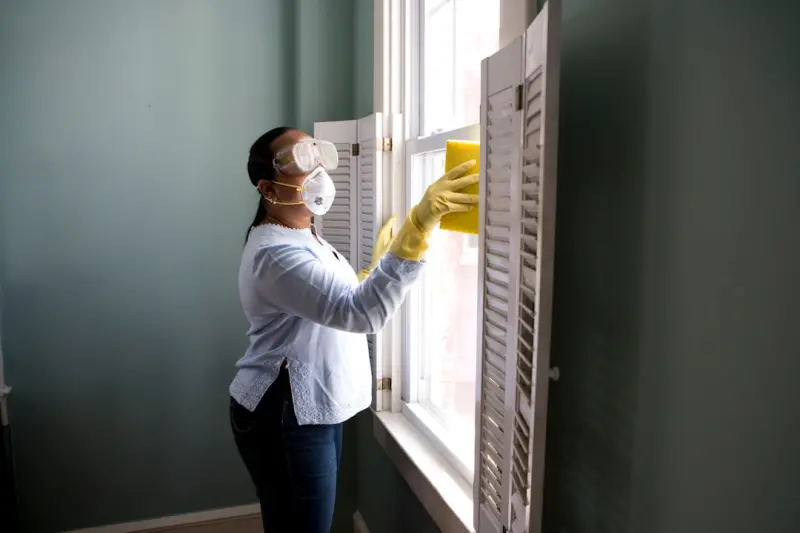
Once an infestation is confirmed, the next step is to establish a containment zone that prevents spores from traveling to unaffected areas, typically by sealing off the work space with plastic sheeting and creating negative pressure using portable exhaust fans equipped with HEPA filters. Inside this controlled environment, technicians wear appropriate personal protective equipment—N‑95 respirators, gloves, and goggles—to safeguard against inhalation and skin contact, while all removed materials are double‑bagged and labeled for proper disposal. By adhering to these protocols, you not only protect the health of occupants but also ensure that the remediation process complies with industry standards and local regulations.
Preventing Recurrence Through Ongoing Monitoring
Remediation is only half the battle; the long‑term victory lies in vigilant monitoring and maintenance, which means installing hygrometers in vulnerable rooms, routinely inspecting plumbing for leaks, and scheduling seasonal checks of your HVAC system’s drainage and filter conditions. Dehumidifiers play a pivotal role in climates where outdoor humidity remains high, as they actively pull excess moisture from the indoor environment, keeping levels consistently below the threshold that encourages fungal growth. Coupling these habits with a proactive mindset transforms mold control from a reactive chore into an integral part of your home‑care routine.
Choosing Mold‑Resistant Materials for Renovations
When it’s time to replace damaged components, selecting materials that resist moisture absorption can dramatically reduce the likelihood of future outbreaks, and modern flooring options—such as luxury vinyl plank, ceramic tile, and engineered hardwood with sealed cores—offer both aesthetic appeal and fungal deterrence. In addition, treating drywall with mold‑inhibiting primers before finishing can create a protective barrier that slows spore colonization, while metal studs and moisture‑resistant insulation further fortify the building envelope against hidden dampness. For a deeper dive into how flooring choices impact indoor health, see the hidden impact of flooring for practical guidance.
Holistic Mold Management: A Balanced Blueprint
Ultimately, effective mold removal hinges on a balanced blueprint that merges immediate remediation, strategic prevention, and continuous education, empowering homeowners to detect early warning signs and act decisively before problems spiral out of control. By integrating waterproofing, ventilation, material selection, and regular monitoring into a cohesive plan, you create an environment where mold simply cannot gain a foothold, safeguarding both the structural longevity of your property and the wellbeing of its occupants. Embrace this comprehensive approach, and you’ll find that the peace of mind that comes with a mold‑free home is well worth the disciplined effort.

Craig Brett is a freelancer with a passion for the outdoors. His love for nature inspires his work, bringing authentic and engaging perspectives to projects related to outdoor activities, adventure, and environmental topics.
Related Posts
Mold Removal for Renters: Knowing Your Rights and Quick DIY Fixes
Discover how renters can identify hidden mold, assert legal rights, and use simple DIY methods to pr... Read More
Mold Removal: Turning Hidden Threats into a Strategic Asset
Mold isn’t just a cleaning issue—it signals deeper building health problems. Learn a proactive, ... Read More

Why Mold Removal Should Be a Core KPI for Facility Managers
Treat mold removal as a measurable performance indicator. Learn how integrating mold metrics into yo... Read More
Top Posts

The Secret Power of Awnings: Turning Your Patio into a Sustainable Sanctuary
A personal dive into how awnings transform outdoor comfort, save energy, and integrate with smart homes—plus practical tips for sustainable installation and m...Read More

Reimagining the Deck: Adaptive Materials, Smart Tech, and Sustainable Design
A deep dive into the next generation of decks, covering adaptive systems, eco‑friendly materials, solar integration, modular builds, and smart sensor technolo...Read More

Pricing Your Handyman Services: A Practical Guide to Profitability
Discover a step‑by‑step approach to pricing handyman jobs, from breaking down costs and researching local rates to crafting transparent estimates that win c...Read More

Smart Fencing: Turning Boundaries Into High‑Value Assets
Explore the rise of smart fencing—how IoT sensors, solar‑integrated panels, and self‑healing materials transform traditional fences into secure, energy‑...Read More
0 Comments
Post Comment
You will need to Login or Register to comment on this post!