
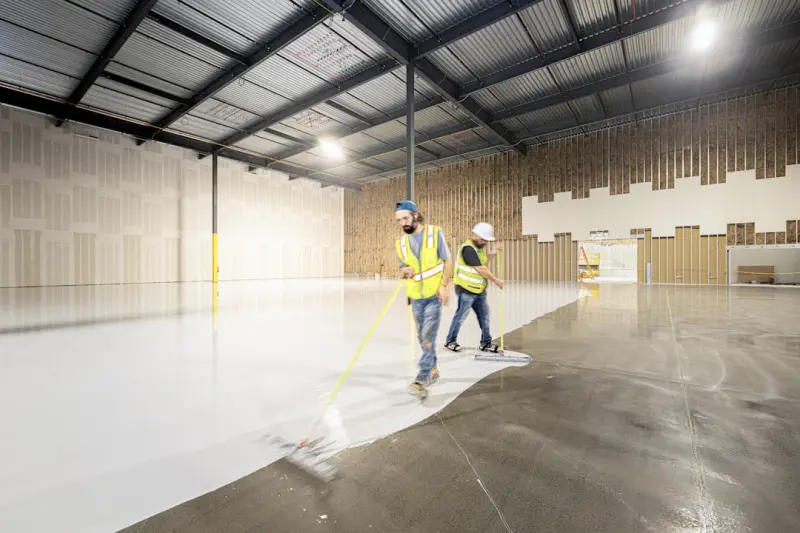
Why Flooring Matters More Than Ever in the Hybrid Era
When most people think about office upgrades, they picture fresh paint, ergonomic chairs, or even a new coffee machine. Few realize that the floor you walk on is a silent catalyst for performance, branding, and even employee health. In my 20‑year stint as a facilities strategist, I’ve watched a quiet revolution unfold beneath our feet: flooring is no longer a static backdrop—it’s an adaptable platform that can evolve with the way we work.
The Rise of Reconfigurable Flooring Systems
Traditional hard‑surface flooring—think poured concrete or fixed carpet tiles—was designed for permanence. Today’s hybrid workplaces demand flexibility. Reconfigurable flooring systems, built from interlocking modular tiles or snap‑together panels, let you re‑arrange zones within weeks rather than months. Need a collaborative breakout area today? Swap a few tiles for acoustic‑absorbent panels. Tomorrow, convert that same space into a focused workstation with a low‑profile raised floor for cable management. The result is a dynamic environment that grows with your business, not the other way around.
Designing for Brand Storytelling
Flooring is a canvas for brand expression. Companies are moving beyond logo‑stamped mats to curated patterns that echo corporate DNA. Imagine a fintech startup that uses a tessellated hexagonal tile system in its lobby—each hexagon subtly shifts color based on the time of day, echoing the fluidity of financial markets. In a manufacturing hub, reclaimed wood modules arranged in a jagged, industrial rhythm tell a story of durability and heritage.
Because the tiles are modular, you can refresh the visual language without a full demolition. This aligns with the circular economy principles that many forward‑thinking firms already champion in other building systems.
Performance Benefits: From Acoustics to Underfloor Heating
Hybrid workforces spend a lot of time seated, and a hard floor can amplify footfall noise, making concentration a challenge. Reconfigurable tiles now come with built‑in acoustic cores—dense foam or recycled denim—so you can dial in the sound profile room by room. Pair that with a radiant underfloor heating system, and you have a climate‑controlled surface that eliminates the need for noisy vents or radiators.
Unlike a fixed concrete slab, modular heating mats can be installed and removed as easily as the tiles themselves, reducing installation time and labor costs. The ability to retrofit heating without tearing up the entire floor is a game‑changer for retro‑commissioning older buildings.
Supply Chain Agility and Speed to Market
One of the biggest headaches in construction is the lag between design approval and material delivery. Reconfigurable flooring manufacturers have adopted digital ordering platforms that let you track orders in real time and swap out tile finishes on the fly. This digital integration slashes lead times from weeks to days, giving facility managers the agility to respond to sudden occupancy changes—say, a sudden influx of remote workers needing satellite desks.
Sustainability Without Compromise
Modular tiles are often made from reclaimed or rapidly renewable materials: recycled PET, reclaimed timber, even agricultural fibers. Because the tiles are designed for disassembly, they can be re‑used or recycled at the end of their lifecycle, dramatically reducing landfill waste. The ability to replace only a damaged module—rather than ripping up an entire floor—means fewer resources are consumed over the building’s lifespan.
When paired with a floor‑level waste collection system—think built‑in bins that sit flush with the surface—these floors can also serve as a visible reminder of the organization’s sustainability goals, reinforcing behavior change among occupants.
Health, Safety, and Ergonomics
Flooring isn’t just about looks; it’s a health platform. Anti‑fatigue surfaces reduce the strain on employees who stand for long periods, while anti‑slip coatings keep traffic‑heavy zones safe during rainy days. The modular nature also allows you to embed wellness technologies, such as pressure‑sensing pads that alert facilities staff when a high‑traffic area is deteriorating, prompting preventive maintenance before a slip hazard develops.
Future‑Proofing with Data‑Driven Insights
Even if you’re not a data‑centric organization, the floor can become a low‑cost sensor platform. Simple weight sensors integrated into the tile grid can capture occupancy patterns, informing space utilization analytics without the need for expensive cameras or badge readers. Over time, the data helps you refine space allocation, ensuring that you never over‑provision a zone that remains underused.
This subtle intelligence dovetails nicely with broader building management systems, allowing you to optimize HVAC, lighting, and cleaning schedules based on actual foot traffic—an elegant way to shave energy costs without sacrificing comfort.
Implementation Checklist for Facility Leaders
- Assess Your Space Needs: Map out zones that will benefit from modular flexibility—collaboration hubs, hot‑desking areas, and temporary training rooms.
- Select the Right Tile System: Look for products with interchangeable finishes, acoustic cores, and compatibility with underfloor heating.
- Plan for Integration: Coordinate with your HVAC and IT teams to embed any sensor or heating layers early in the design phase.
- Establish a Maintenance Protocol: Define how often tiles will be inspected, cleaned, or rotated to maintain appearance and performance.
- Leverage Digital Procurement: Use a platform that provides real‑time inventory visibility to avoid delays.
Case Study: A Mid‑Size Tech Firm’s Floor Overhaul
Last quarter, a 150‑person tech company in the Pacific Northwest replaced its aging carpet tiles with a modular, low‑VOC tile system. Within six months they reported a 15% increase in employee satisfaction scores related to “workspace comfort,” and a 12% reduction in cleaning costs because the tiles could be spot‑cleaned without pulling up the entire floor.
The company also integrated simple pressure sensors into high‑traffic tiles, revealing that the breakout area was underutilized during afternoons. By re‑configuring the layout based on this insight, they turned that space into a quiet “focus zone,” which saw a 30% boost in usage.
Looking Ahead: The Next Generation of Adaptive Floors
Future iterations will likely blend smart materials with modular design—think tiles that change opacity for privacy or tiles that harvest kinetic energy from foot traffic to power low‑energy IoT devices. While those innovations are still emerging, the foundation is already laid: a floor that can be rearranged, repurposed, and recycled with minimal disruption.
For facility leaders, the message is clear: investing in reconfigurable flooring is an investment in adaptability, brand cohesion, employee wellbeing, and sustainability—all without the massive capital outlay of a full remodel.

David MacKinnon is a dynamic freelance writer known for his captivating storytelling and keen insights into the world of technology. With a passion for exploring the intersection of innovation and everyday life, he crafts engaging narratives that not only inform but also inspire his readers.
Related Posts

The Role of Flooring in Sustainable Home Restoration
Flooring plays a significant role in sustainable home restoration. Learn about eco-friendly options,... Read More

Sustainable Flooring: A Key Component of Eco-Friendly Home Design
Sustainable flooring is a critical component of eco-friendly home design. Learn about the benefits a... Read More
Quiet Floors, Happy Ears: Mastering Acoustic Design in Every Room
Explore the hidden power of flooring to control sound, from eco‑friendly materials to smart instal... Read More
Top Posts

Seasonal Weather‑Proofing: A Homeowner’s DIY Playbook for Year‑Round Resilience
A practical, seasonal guide shows how to seal, drain, and fortify your home against weather threats, using smart tools and simple DIY steps for lasting protecti...Read More

Smart Sensors Are Changing the Way We Inspect Homes
Explore the rise of smart sensors in home inspections, from humidity monitors to drone thermal imaging, and learn how this technology adds value, confidence, an...Read More
When Countertops Shape Mood: Designing for Wellness in Commercial Spaces
Countertops do more than hold dishes—they influence touch, sight, and sound. This post reveals how thoughtful material choices, biophilic elements, and acoust...Read More

Transform Your Bathroom into a Spa‑Like Sanctuary on a Realistic Budget
A hands‑on guide from Tom Ferguson on turning a dated bathroom into a spa‑like retreat using smart tech, eco‑friendly materials, and budget‑friendly hac...Read More
0 Comments
Post Comment
You will need to Login or Register to comment on this post!