
Why Flooring Is the Unsung Hero of Home Acoustics
When most homeowners stroll through a showroom, they linger over grain patterns, color palettes, and the feel underfoot, but the soundscape a floor creates often goes unnoticed until a stray footstep or a booming television reveals its true character. A well‑chosen floor can either amplify a bustling family gathering into a lively chorus or mute the clatter of a busy kitchen into a gentle hum, shaping the very atmosphere of each room. Understanding that flooring is the first line of defense against unwanted reverberation empowers you to design spaces that feel both vibrant and serene, no matter the activity.
Material Matters: How Different Surfaces Influence Sound
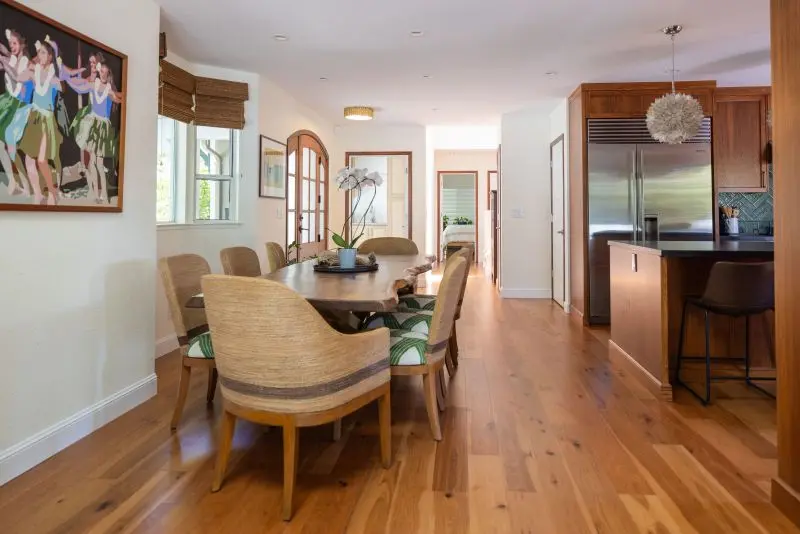
Hardwoods, with their dense fibers, tend to reflect sound waves, creating a brighter acoustic profile that works well in formal dining areas where clarity of conversation is prized, yet they can cause echo in larger open‑plan living rooms if left unchecked. Conversely, plush carpet absorbs a wide range of frequencies, turning noisy hallways into quiet corridors and providing a comfortable cushion for children’s play, though it may dull the crispness of musical notes in a home theater. Emerging options like cork and engineered bamboo strike a balance, offering moderate absorption while maintaining a sleek aesthetic, making them ideal for multi‑use spaces that demand both style and sound control.
Matching Floor Choice to Room Function
Every room in a house serves a distinct purpose, and the acoustic requirements of a home office differ dramatically from those of a workout studio, so tailoring the floor to its function is essential for comfort and productivity. In a dedicated office, a low‑profile laminate paired with a high‑density underlayment can dampen keyboard clicks and phone chatter, fostering concentration without sacrificing a modern look; meanwhile, a media room benefits from a thick carpet pad beneath a plush rug, which traps low‑frequency bass and prevents sound from bouncing off hard surfaces. Even open‑plan kitchens can gain from hybrid solutions—such as patterned stone tiles with built‑in acoustic backing—that resist splatter while reducing the metallic clank of cookware.
From Slab to Soundstage: Concrete Floors with Personality
Concrete floors have long been celebrated for their durability, but when treated with thoughtful finishes, they become acoustic powerhouses capable of both reflecting and absorbing sound, depending on the application. By incorporating textured sealers or decorative inlays, you can break up sound waves and prevent harsh echoes, turning a simple slab into a versatile canvas for design and acoustics alike. For inspiration on how to blend aesthetics with performance, explore Concrete Creations: Turning Slabs into Stories, which showcases innovative ways to elevate concrete beyond its industrial roots.
Eco‑Friendly Choices That Quietly Perform
Sustainability and sound control are not mutually exclusive; reclaimed wood flooring, sourced from de‑constructed barns, brings natural irregularities that scatter sound, creating a warm, muted environment while preserving a piece of history. Recycled rubber tiles, originally designed for gyms, excel at dampening impact noise and are fully recyclable at the end of their life, offering a green solution for basements or playrooms where resilience is key. These materials not only reduce your carbon footprint but also contribute to a healthier indoor acoustic climate, proving that eco‑conscious decisions can enhance both the look and the feel of your home.
Installation Techniques That Amplify Acoustic Benefits
Even the finest flooring material can fall short without proper installation, as gaps, uneven subfloors, or missing underlayments allow vibrations to travel unchecked, turning a quiet room into a resonant chamber. A floating floor system, where the surface rests on a cushioned layer rather than being glued directly to the subfloor, isolates footsteps and mechanical noise, making it ideal for apartments or multi‑story homes where neighborly peace is prized. Pairing this approach with a high‑density acoustic underlayment—often made from recycled fibers—further absorbs mid‑range frequencies, creating a harmonious balance between structural integrity and sound suppression.
Designing for Net‑Zero While Listening to the Future
As households aim for net‑zero energy consumption, the flooring market is responding with products that not only reduce thermal loss but also contribute to acoustic efficiency, supporting holistic sustainability goals. Floors integrated with phase‑change materials store and release heat, decreasing reliance on HVAC systems, while their dense composition inherently dampens sound, offering a dual benefit that aligns with green building standards. To see how flooring choices fit into a broader energy‑saving strategy, check out Design‑Build Blueprint for Net‑Zero Energy Homes, a guide that weaves together insulation, ventilation, and acoustic considerations.
Maintaining the Quiet: Care Tips for Long‑Lasting Acoustic Performance
Preserving the sound‑absorbing qualities of your floors requires regular maintenance that goes beyond simple sweeping; periodic deep‑cleaning with low‑moisture methods prevents the buildup of dust and debris that can fill porous surfaces and diminish their absorptive capacity. For hardwoods, applying a breathable finish every few years restores the micro‑cavities that trap sound, while for carpeted areas, professional steam extraction removes embedded particles that act as tiny reflectors. By treating your flooring as an active participant in your home’s acoustic ecosystem, you ensure that each room retains its intended ambiance for years to come.
Looking Ahead: Hybrid Materials and Smart Acoustic Solutions
The future of flooring lies in hybrid composites that blend natural fibers with engineered polymers, delivering superior sound absorption without sacrificing durability or design flexibility—a promising development for homeowners seeking both performance and aesthetic freedom. Additionally, emerging smart acoustic sensors can be embedded beneath floorboards to monitor vibration levels, alerting you to potential structural issues before they become audible problems, and even adjusting underfloor heating to reduce noise generated by thermal expansion. Embracing these innovations positions your home at the cutting edge of comfort, where every step is a quiet affirmation of thoughtful design.

Craig Brett is a freelancer with a passion for the outdoors. His love for nature inspires his work, bringing authentic and engaging perspectives to projects related to outdoor activities, adventure, and environmental topics.
Related Posts
When Floors Do More Than Support: The Rise of Intelligent, Adaptive Flooring
Discover the emerging world of intelligent adaptive flooring, where smart materials and sensor netwo... Read More

Sustainable Flooring: A Key Component of Eco-Friendly Home Design
Sustainable flooring is a critical component of eco-friendly home design. Learn about the benefits a... Read More

Circular Flooring: The Sustainable Edge Your Workspace Needs
Circular flooring transforms the floor from a passive expense into a strategic asset, offering lower... Read More
Top Posts
The Untapped Power of Modern Plaster: Acoustics, Fire Safety, and Smart Integration
Explore the hidden strengths of modern plaster—from acoustic dampening and fire protection to eco‑friendly mixes and smart‑home integration—offering hom...Read More

Community Snow Removal Networks: Turning Winter Chaos into Neighborhood Advantage
Learn how a community snow removal network leverages shared resources, smart data, and eco‑friendly practices to cut costs, protect residents, and boost neigh...Read More

Designing Interiors That Nurture Body, Mind, and Soul
Discover fresh interior design strategies that prioritize wellbeing, sustainability, and style—turning every room into a nurturing retreat....Read More

Electrifying the Future: How Dynamic Power Distribution Is Redefining Modern Workspaces
Dynamic power distribution replaces static circuits with modular, AI‑driven hubs, delivering real‑time load balancing, safety, and energy savings for modern...Read More
0 Comments
Post Comment
You will need to Login or Register to comment on this post!