
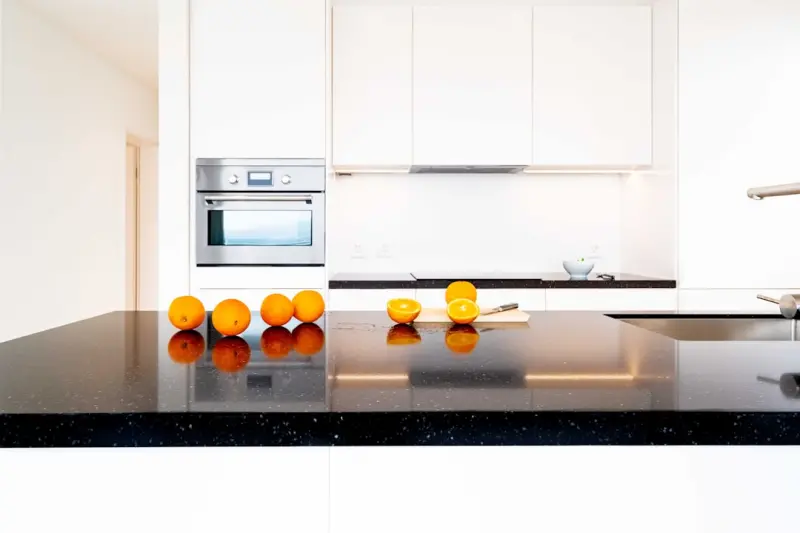
The Quiet Power of Countertops: Crafting Wellness‑Centric Work Surfaces
When we think about the heart of a commercial kitchen, a laboratory, or a collaborative coworking hub, the countertop is often the first thing we notice—its sheen, its color, the way it reflects light. Yet, beyond aesthetics and durability, the surface we stand on plays a surprisingly subtle role in shaping human experience. In this post I’ll explore how the tactile, visual, and acoustic qualities of countertops can be deliberately engineered to boost well‑being, focus, and even creativity in high‑performance environments.
1. The Sensory Triangle: Touch, Sight, and Sound
Design research increasingly emphasizes the “sensory triangle” – the interplay of touch, sight, and sound – as a cornerstone of user‑centric spaces. Countertops sit at the nexus of these three senses:
- Touch: The texture of a surface influences grip, fatigue, and even perceived cleanliness. A matte quartz that feels slightly “toothy” can remind chefs to maintain a firmer hold on knives, reducing slip accidents.
- Sight: Color temperature, reflectivity, and pattern affect mood. Warm, earth‑toned concrete can evoke a calming, grounded feeling, while high‑gloss white marble may promote a sense of spaciousness and precision.
- Sound: Hard surfaces amplify clangs, while softer, engineered composites absorb impact noise. In open‑plan offices, a countertop that dampens the clatter of dishes can prevent auditory fatigue for nearby workers.
When these three dimensions are harmonized, the countertop becomes more than a functional slab; it transforms into a subtle, continuous cue that supports the tasks being performed.
2. Tactile Strategies for Reducing Fatigue
Long hours standing at a prep station can lead to muscular strain. Researchers at the ergonomics lab of a leading design institute discovered that a slightly compressible surface—such as a high‑density polymer blend with a thin silicone overlayer—offers micro‑cushioning that reduces pressure on the forearms and wrists. The key is to balance compressibility with the need for a stable work plane; too much give can cause tools to wobble.
When selecting a material, consider the following tactile guidelines:
- Micro‑texture: A fine‑grit finish provides a gentle grip for handheld tools without feeling abrasive.
- Temperature neutrality: Materials that stay close to ambient temperature (e.g., engineered stone) prevent cold shock in cooler kitchens.
- Hygienic feel: Non‑porous surfaces that feel “smooth as glass” discourage the buildup of biofilm, reinforcing the mental cue of cleanliness.
By prioritizing tactile comfort, designers can subtly reduce the cumulative strain that leads to worker fatigue and injury.
3. Visual Harmony: Color Psychology Meets Practicality
Color has a measurable impact on cognition. In fast‑paced culinary settings, a cool blue palette can lower perceived heat, helping chefs feel less overheated during peak service. Conversely, a warm terracotta hue can stimulate appetite in restaurant diners, making it a strategic choice for front‑of‑house counters.
Beyond hue, the finish matters:
- Glossy finishes bounce light, making a cramped prep area feel larger—a boon for small urban kitchens.
- Matte or honed surfaces reduce glare, essential for precision tasks like plating delicate desserts.
When paired with ambient lighting, countertops become an integral part of a visual rhythm that guides workers’ focus. A subtle gradient—lighter near the sink, deeper near the cooking line—can intuitively signal task zones, reinforcing workflow hierarchy without signage.
4. Acoustic Engineering: Quiet Countertops for Busy Spaces
Noise is an often‑overlooked stressor in commercial environments. The clatter of pots, the hum of appliances, and the echo off hard surfaces combine to create a cacophony that hampers concentration. Countertops, as large planar objects, can either amplify or absorb sound.
Materials such as recycled glass composites and engineered stone with internal damping layers are designed to scatter high‑frequency impact noise. By integrating a thin viscoelastic layer beneath the decorative surface, designers achieve a quiet countertop that cuts ambient decibel levels by up to 5 dB—a difference perceptible enough to reduce stress without sacrificing durability.
For deeper insight into acoustic‑focused design, see our Low‑Noise HVAC Solutions for Healthier Spaces article, which explores how sound‑absorbing technologies across building systems synergize with quieter surfaces.
5. Biophilic Integration: Bringing Nature to the Work Surface
Biophilic design—integrating natural elements into built environments—has been shown to improve mood, reduce blood pressure, and boost creativity. Countertops can be a canvas for this trend in several ways:
- Embedded organic aggregates: Thin slices of river stone or reclaimed wood can be set into resin, providing a tactile reminder of the outdoors.
- Living surfaces: While still experimental, a shallow channel beneath a quartz slab can house low‑maintenance succulents, offering a subtle green focal point.
- Natural color palettes: Earthy tones and veining patterns echo stone cliffs, reinforcing a sense of grounding.
These approaches not only elevate aesthetics but also signal to occupants that the space values sustainability—a factor increasingly linked to employee retention and brand perception.
6. Health‑First Materials: Antimicrobial and Air‑Purifying Options
The pandemic era accelerated demand for surfaces that actively reduce pathogen load. While many manufacturers tout “antimicrobial” finishes, true health‑forward design goes beyond surface chemistry.
Consider these options:
- Photocatalytic coatings: When exposed to UV or visible light, they break down organic compounds, neutralizing bacteria and VOCs on contact.
- Mineral‑based air‑purifying slabs: Certain engineered stones incorporate zeolite, which adsorbs ammonia and other odors, improving indoor air quality directly at the work plane.
- Seamless installation: Reducing joints eliminates hidden pockets where microbes thrive.
These technologies dovetail with broader building health strategies, such as the Smart Tile Ecosystems for Future‑Ready Buildings framework, where surfaces communicate with building management systems to report cleaning cycles and environmental metrics.
7. Customization at Scale: Modular Countertop Systems
Businesses today demand agility. A modular countertop system—comprising interchangeable panels with standardized connection hardware—allows owners to reconfigure work zones in days rather than weeks. Benefits include:
- Rapid response to menu changes in restaurants, where a new prep line can be added without demolition.
- Future‑proofing labs that need to accommodate new equipment or safety zones.
- Cost efficiency by reusing panels across multiple locations, extending material lifespan.
The modular approach also supports sustainability goals: panels can be refurbished, upgraded, or recycled individually, reducing waste compared to monolithic slabs.
8. The Business Case: ROI Beyond the Balance Sheet
While durability and cost are still vital, the hidden returns of a wellness‑centric countertop strategy are measurable:
- Reduced sick days: Lower acoustic stress and improved air quality correlate with fewer reported illnesses.
- Higher productivity: Workers in environments with balanced lighting, temperature, and tactile comfort often complete tasks 5‑10 % faster.
- Brand differentiation: Restaurants and corporate kitchens that spotlight “well‑being‑engineered” surfaces can market this as a unique selling proposition, attracting health‑conscious clientele.
These factors combine to produce a compelling ROI narrative that transcends the traditional “cost per square foot” metric.
9. Implementation Checklist for Facility Leaders
To translate theory into practice, follow this concise checklist:
- Define primary goals: Is the focus on ergonomics, acoustics, biophilia, or a blend?
- Choose material families: Match tactile, visual, and acoustic attributes to the defined goals.
- Engage a multidisciplinary team: Architects, interior designers, acoustic consultants, and occupational health experts should collaborate early.
- Prototype zones: Install a test panel in a high‑traffic area and monitor metrics (noise levels, worker feedback, cleaning frequency).
- Integrate with building systems: Leverage smart sensors to track surface temperature, humidity, and microbial load.
- Plan for lifecycle maintenance: Establish cleaning protocols that respect the chosen material’s coating and consider periodic resurfacing.
By treating the countertop as a strategic health asset rather than a mere slab, facility leaders can unlock long‑term performance gains.
10. Looking Ahead: Countertops in the Age of Human‑Centric AI
Artificial intelligence is beginning to interpret human comfort signals—posture, heart rate, voice tone—through wearable devices. The next logical step is a countertop that adapts in real time: adjusting surface temperature, altering lighting hue, or emitting a calming scent when stress indicators spike.
While still experimental, pilot projects in forward‑thinking culinary schools have integrated temperature‑controlled zones that warm up as a chef’s hand temperature drops, preventing the “cold shock” that can affect dexterity. As AI platforms become more ubiquitous, we can expect a new generation of “responsive surfaces” that close the feedback loop between human and environment.
In summary, the countertop is a silent orchestrator of well‑being. By consciously shaping its tactile, visual, and acoustic properties, designers and operators can craft environments that nurture health, sharpen focus, and ultimately drive better business outcomes.

Lifan Chen is a freelancer based in Toronto specializing in marketing. With expertise in crafting effective marketing strategies and campaigns, Lifan helps businesses grow their brand presence and reach target audiences. As a Toronto-based freelancer, Lifan combines local market insights with creative marketing skills to deliver tailored solutions for clients.
Related Posts
Rethinking Countertops: Smart, Sustainable Surfaces for Modern Spaces
Countertops are evolving from static finishes to intelligent, sustainable surfaces. This post uncove... Read More

Smart Surfaces: Merging Tech and Design in Modern Countertops
Discover the rise of smart countertops—materials that blend durability, sustainability, and embedd... Read More
Choosing Countertops That Age Gracefully: A Contractor’s Insider Guide
A contractor’s insider guide to choosing countertops that balance durability, sustainability, and ... Read More
Top Posts

Why Cool Roofs Are the Unsung Heroes of Energy Efficiency
Cool roofs reflect sunlight and emit heat, lowering indoor temperatures and energy use. Learn how they reduce utility bills, mitigate urban heat islands, and in...Read More

From Storage to Innovation: How Modern Sheds and Gazebos Are Reinventing Backyard Spaces
Discover the transformation of traditional sheds and gazebos into high‑tech, eco‑friendly micro‑offices and collaborative studios that enhance productivit...Read More
Smart, Sustainable Heating & Cooling: Trends, Tech, and Tips for Modern Homes
Explore cutting‑edge HVAC strategies—from smart thermostats to renewable integrations—that deliver year‑round comfort, lower bills, and a greener home....Read More
Acoustic Wallpaper: Boost Office Quiet & Brand Presence
Acoustic wallpaper merges sound absorption with striking design, offering a cost‑effective way to quiet open spaces, reinforce brand identity, and create fres...Read More
0 Comments
Post Comment
You will need to Login or Register to comment on this post!