

Why Fencing Is More Than a Barrier
When I first started swapping out old picket fences for something that actually felt like part of the yard, I realized a fence can be a statement, not just a line in the sand. A well‑designed fence frames the view, guides foot traffic, and subtly influences how neighbors perceive space, turning a simple perimeter into an extension of the home’s personality. In my projects, I treat each panel as a brushstroke on a larger canvas, ensuring the final picture feels intentional and welcoming.
Choosing Materials That Respect the Environment
Today's homeowners demand more than durability; they crave sustainability, and the right fence material can meet both needs. Reclaimed timber, recycled composite, and responsibly sourced bamboo offer the strength of traditional wood while reducing the carbon footprint, and they age gracefully, developing a patina that tells a story over time. For those who prefer metal, powder‑coated steel or aluminum sourced from recycled scrap provides a sleek look without the environmental guilt.
Integrating Fencing with Landscape Design
Fencing should never fight the landscape; it should harmonize with the garden’s rhythm, echoing plant heights, colors, and textures. I often pair low‑profile hedges with tall, semi‑transparent panels to maintain sightlines while adding a natural backdrop, and I use vertical garden pockets attached to fence posts to bring greenery literally to the wall. This approach creates a layered experience where the fence becomes a living part of the ecosystem, not an imposed obstacle.
Smart Fencing: Technology Meets Tradition
Incorporating subtle technology can turn a static barrier into an interactive asset, and I love adding solar‑powered lighting strips that pulse with motion, enhancing security without sacrificing aesthetics. Integrated sensors can alert you to gate misuse or even monitor soil moisture for adjacent planting beds, feeding data directly to a home automation hub. By linking these features to a smart paving solution, the entire perimeter works together to manage heat and light, creating a cohesive, energy‑efficient envelope.
Maintenance Mindset: Longevity Without Headache
Choosing the right finish and protective coating can slash upkeep time, and I always recommend a high‑quality UV‑resistant sealant for wood or a marine‑grade powder coat for metal to fend off weathering. Regular, seasonal inspections—especially after heavy rain or wind—catch early signs of rot or corrosion, letting you address problems before they spread. A simple annual power wash and a quick touch‑up of the sealant can keep the fence looking fresh for decades, saving both time and money in the long run.
Budget Strategies: Getting Quality Without Breaking the Bank
Smart budgeting starts with a clear hierarchy of needs: security, privacy, aesthetics, and sustainability, allowing you to allocate funds where they matter most. Opting for a mixed‑material approach—combining inexpensive recycled composite sections with a few premium accent panels—creates visual interest while keeping costs in check. I also encourage homeowners to source locally, which reduces transport fees and supports community suppliers, often resulting in better pricing and faster delivery.
Case Study: A Neighborhood Revitalization Through Thoughtful Fencing
Last summer I partnered with a small suburb to replace aging chain‑link fences with a coordinated design that blended modern materials and community art. We installed sleek, powder‑coated aluminum panels interspersed with mosaic‑inspired wooden inserts created by local artists, turning the streetscape into an open‑air gallery that sparked conversation and pride. The project not only lifted property values but also reduced noise pollution, and residents reported a heightened sense of safety and belonging.
Future Trends: What the Next Generation of Fencing Looks Like
Looking ahead, I see fences becoming more adaptable, with modular sections that can be reconfigured as families grow or landscaping evolves, and with integrated green technologies like photovoltaic cells that power garden lights. Biophilic designs that incorporate natural textures and living walls will blur the line between built and organic, fostering a deeper connection to the outdoors. As we continue to prioritize sustainability and smart living, the fence of tomorrow will be a dynamic, responsive partner in the home’s ecosystem, not just a static barrier.

Tom Ferguson is a Canadian freelance writer with a passion for storytelling, current events, and thoughtful commentary. Drawing on years of writing experience, he shares engaging insights on a wide range of topics, bringing a uniquely Canadian perspective to his work.
Related Posts

The Evolution of Sustainable Fencing: A Comprehensive Guide
Sustainable fencing is a rapidly growing trend that's here to stay. Learn about the benefits, materi... Read More

Smart Fences: Turning Perimeters Into Living, Learning, and Securing Platforms
Explore the evolution of fencing from a static barrier to a smart, living system that integrates IoT... Read More
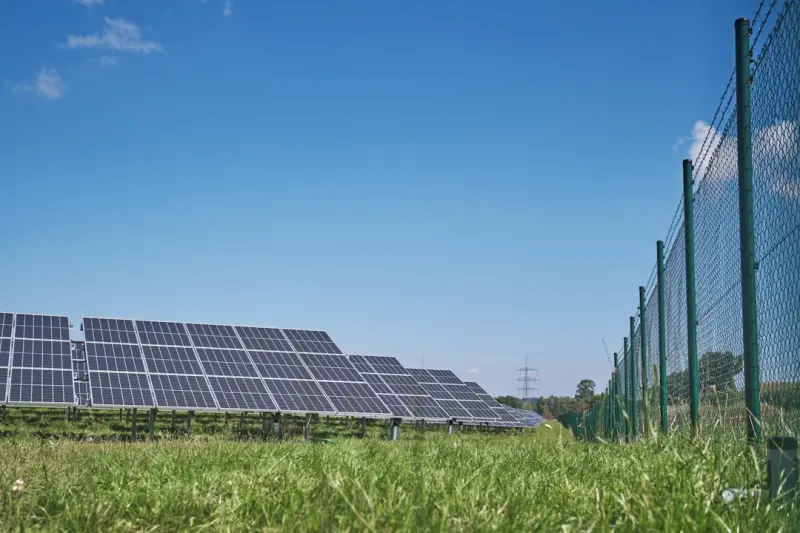
The Rise of Intelligent Fencing: Security, Sustainability, and Data Fusion
Intelligent fencing turns traditional barriers into dynamic, data‑rich assets—enhancing security... Read More
Top Posts
Designing a Future‑Proof Home Addition That Grows With You
A strategic home addition can increase property value, improve daily comfort, and adapt to evolving family needs. This guide walks you through goal setting, fle...Read More
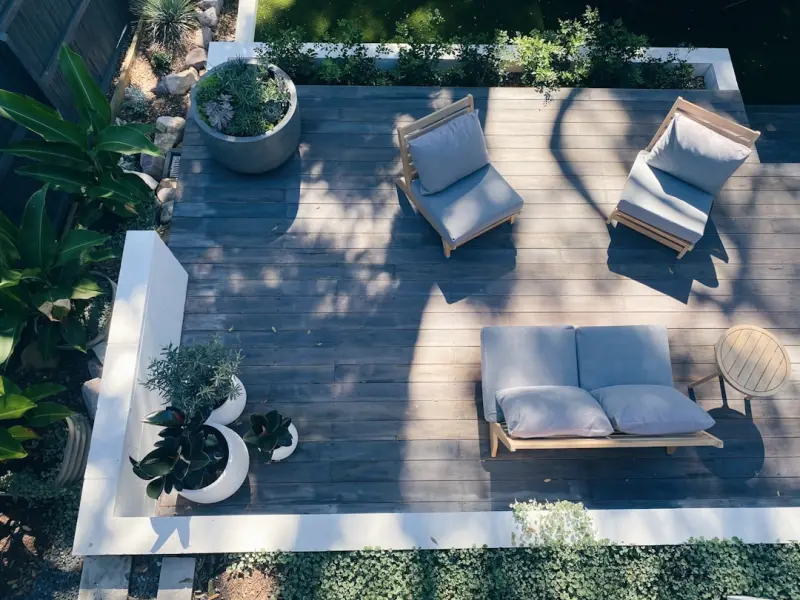
Hybrid Deck Design: Turning Outdoor Platforms into Productive Work‑Life Hubs
Discover how to convert a simple deck into a versatile hybrid workspace that boosts productivity, supports wellness, and differentiates your brand, using sustai...Read More

Embracing Sustainable Home Improvements: A Handyman's Perspective
Learn how to make your home improvements more sustainable with expert tips from a seasoned handyman. From eco-friendly materials to DIY approaches, discover the...Read More

The Quiet Power of Radiant Floor Heating: Turning Floors into Smart Comfort Hubs
Radiant floor heating is evolving from a luxury feature to a data‑driven platform that enhances comfort, health, and sustainability. Learn how smart sensors, ...Read More
0 Comments
Post Comment
You will need to Login or Register to comment on this post!