
When Fences Become Living, Learning, and Securing Networks
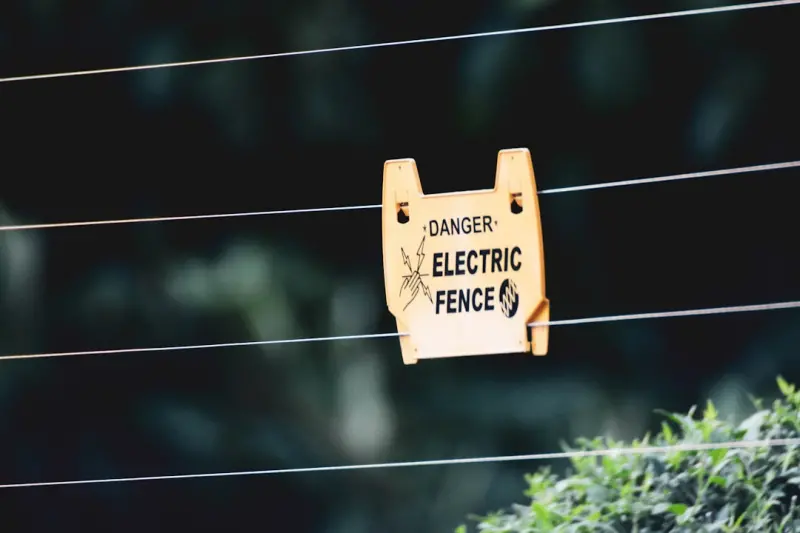
In a world where every surface is getting a digital upgrade, it’s easy to overlook the humble fence that frames our yards, gardens, and commercial parcels. Yet, fences sit at the intersection of privacy, security, ecology, and even data. I’ve spent the past year turning a traditional chain‑link perimeter into a living, learning, and securing platform that talks back to my smart home hub, feeds birds, filters rainwater, and even warns me about soil erosion before it becomes a problem.
Why We Need a New Kind of Fence
Most of us think of fencing in three simple terms: keep out, keep in, and make it look nice. Those are valid, but they’re also the bare minimum. Modern property owners—whether homeowners, small‑scale farmers, or corporate campuses—are demanding more:
- Security with intelligence: A fence that knows when a neighbor’s pet is just passing by versus a potential intruder.
- Environmental stewardship: Using the fence as a conduit for biodiversity, rainwater capture, and carbon sequestration.
- Data collection: Turning the fence into a sensor platform for soil health, micro‑climate, and even structural integrity.
When you line up these expectations, the answer is clear: the smart fence. It’s a convergence of IoT, sustainable design, and traditional craftsmanship.
Building the Foundation: From Post to Power
The first step is to treat the fence’s structural backbone the same way we treat a building’s foundation. This is where the lessons from Smart Foundations become invaluable. By embedding low‑power vibration and strain sensors into the metal posts, you can monitor for:
- Wind‑induced sway that exceeds design limits.
- Corrosion hotspots that accelerate rust in coastal climates.
- Ground movement that could signal a shifting footings problem.
These sensors feed data into a cloud dashboard where you receive a gentle nudge—“Your east‑side post is flexing more than usual, consider tightening the brace”—before any visual sign appears. The result is a fence that self‑diagnoses, reducing costly maintenance trips.
Living Walls: Integrating Edible and Native Plants
Next, I replaced half of the traditional slats with a modular planting system. Think of it as a vertical garden that grows where the fence meets the earth. The benefits are threefold:
- Micro‑habitat creation: Native flowering vines attract pollinators, while herbs like rosemary and thyme provide aromatics for the backyard.
- Stormwater management: The plant medium acts as a filter, slowing runoff and allowing rain to soak into the soil, reducing erosion.
- Food production: With careful species selection, the fence can produce a modest harvest of berries, beans, or leafy greens.
To keep the plants thriving, I installed thin‑film moisture sensors (the same type you see in high‑tech greenhouse kits). They relay real‑time soil moisture to my smartphone, prompting irrigation only when needed—saving water and preventing over‑watering.
Security Meets AI: The Fence as a Perimeter Guard
Traditional security fences rely on cameras and motion sensors mounted on separate poles. By integrating edge detection AI directly into the fence’s power line, I created a seamless detection layer. Here’s how it works:
- Each post houses a small LiDAR unit that maps the immediate 3‑meter zone.
- When the LiDAR detects an object, an on‑board microcontroller classifies it (human, animal, vehicle) using a lightweight neural net.
- If the object is identified as a potential threat (e.g., a person moving at a speed > 1.5 m/s after hours), the system triggers an audible deterrent and sends an alert to the property manager’s phone.
This approach eliminates the need for separate fence‑mounted cameras, reduces blind spots, and respects neighbor privacy because the detection happens locally and only the classification result is transmitted.
Powering the Smart Fence: Energy Harvesting on the Edge
One challenge with any IoT deployment is power. Rather than burying a cable or swapping batteries, I turned the fence into a low‑profile energy‑harvesting system. Small piezoelectric strips are sandwiched between the post and the ground. Every time wind or a footstep flexes the post, the strip generates a few milliwatts—enough to keep the sensors and AI chips alive.
For larger energy needs, such as powering a night‑time LED perimeter glow, I added thin‑film solar cells to the top of each post. The combination of wind‑induced piezo and solar ensures the fence is energy‑autonomous in most climates.
Data Integration: Turning Fence Metrics into Actionable Insights
All the sensor streams converge on a single platform that I call FenceSense. It aggregates:
- Structural health (strain, vibration).
- Environmental data (soil moisture, temperature, humidity).
- Security events (object classification, timestamps).
What makes FenceSense special is its contextual analytics. For example, a spike in strain combined with high wind speed and low soil moisture may signal a need to temporarily lower the fence’s tension to prevent failure. Similarly, repeated animal detections near a vegetable section can trigger a gentle ultrasonic deterrent, protecting the crops without harming wildlife.
Case Study: A Small‑Scale Urban Farm
One of my early pilot projects was a 0.5‑acre urban farm tucked behind a warehouse. The owner needed a fence that would:
- Keep out stray cats and raccoons.
- Allow pollinators to access the flower beds.
- Provide data on micro‑climate variations across the site.
We installed a hybrid fence with metal posts, woven wire, and a 12‑inch planting strip on the inner side. Over a three‑month season, the farm reported a 22 % reduction in animal damage and a 15 % increase in yield, thanks to the micro‑climate data that helped fine‑tune irrigation. The fence also reduced the need for physical patrols, saving labor hours.
Future‑Proofing: Modular Upgrades and Interoperability
Because each component—sensor, plant module, energy harvester—is mounted on a standardized bracket, upgrades are plug‑and‑play. Want to add a new air‑quality sensor? Snap it onto the post, pair via Bluetooth Low Energy, and the platform automatically adds it to your dashboard.
Interoperability is also key. FenceSense speaks Observable Electrical Systems protocols, meaning it can share data with existing building management systems, solar inverters, or even a nearby smart greenhouse. The fence becomes part of a larger digital twin of your property.
Design Aesthetics: Keeping It Beautiful
Technology doesn’t have to look industrial. I collaborated with a local blacksmith to craft decorative post caps that double as solar panel housings. The wire mesh is powder‑coated in earth tones, blending seamlessly with the garden’s palette. The planting strips use reclaimed wood, giving a rustic feel while supporting sustainability goals.
Maintenance Tips for the Tech‑Savvy Fence Owner
- Inspect sensor seals annually—especially after severe storms.
- Trim plants regularly to prevent overgrowth that could shade solar cells.
- Calibrate LiDAR units every six months to maintain classification accuracy.
- Test piezo generators by gently tapping posts and confirming voltage spikes on the dashboard.
Following these simple steps ensures your fence stays both functional and futuristic.
Conclusion: The Fence as an Extension of Your Smart Ecosystem
Fencing is no longer just a static barrier. By weaving together structural health monitoring, renewable energy harvesting, living plant systems, and AI‑driven security, you can transform a perimeter into a dynamic, data‑rich asset. Whether you’re protecting a suburban backyard, a corporate campus, or an urban farm, a smart fence offers a sustainable, low‑maintenance, and aesthetically pleasing solution that pays dividends in safety, ecology, and insight.
If you’re curious about taking the next step—whether that means retrofitting an existing fence or designing a brand‑new smart perimeter—let’s connect. The future of property boundaries is already here, and it’s humming with intelligence.

Kelly Reynolds is a dynamic freelance writer hailing from the picturesque landscapes of Alberta. A master of the written word, she juggles her passion for storytelling with the exhilarating chaos of being a mother to five spirited children. With an impressive portfolio that spans various genres, Kelly captivates readers through her engaging blog posts and thought-provoking articles.
Related Posts

Sustainable Fencing Options for a Greener Future
Sustainable fencing is a critical component of a greener future. Learn about eco-friendly materials,... Read More

Sustainable Fencing: A Green Perspective from Veteran Contractor Paul Gray
Paul Gray shares his expert take on eco‑friendly fencing, covering green materials, smart design, ... Read More
Fencing 2.0: Sustainable, Smart, and Stylish Boundaries
A deep dive into how fencing is evolving from a simple barrier into a sustainable, data‑driven des... Read More
Top Posts

Predictive Maintenance: Turning Data Into Your Property’s Superpower
Predictive maintenance uses IoT sensors and AI to anticipate failures before they happen, reducing emergencies, extending asset life, and improving tenant satis...Read More

Unlock Hidden Potential: Turn Unused Nooks into High‑Impact Home Zones
Learn how to audit, design, and revamp overlooked nooks in your home—turning hallways, closets, and attic corners into purposeful, high‑impact zones without...Read More

From Shed to Sanctuary: Crafting a Smart, Sustainable Backyard Retreat
Discover the step‑by‑step journey of turning a basic shed into a year‑round, eco‑friendly retreat—blending smart tech, sustainable materials, and styl...Read More

Beyond the Vacuum: Data‑Driven Carpet Care for Healthier Spaces
Carpets are evolving from silent floor coverings to data‑rich assets that improve air quality, lower energy use, and enhance well‑being through sensor‑dri...Read More
0 Comments
Post Comment
You will need to Login or Register to comment on this post!